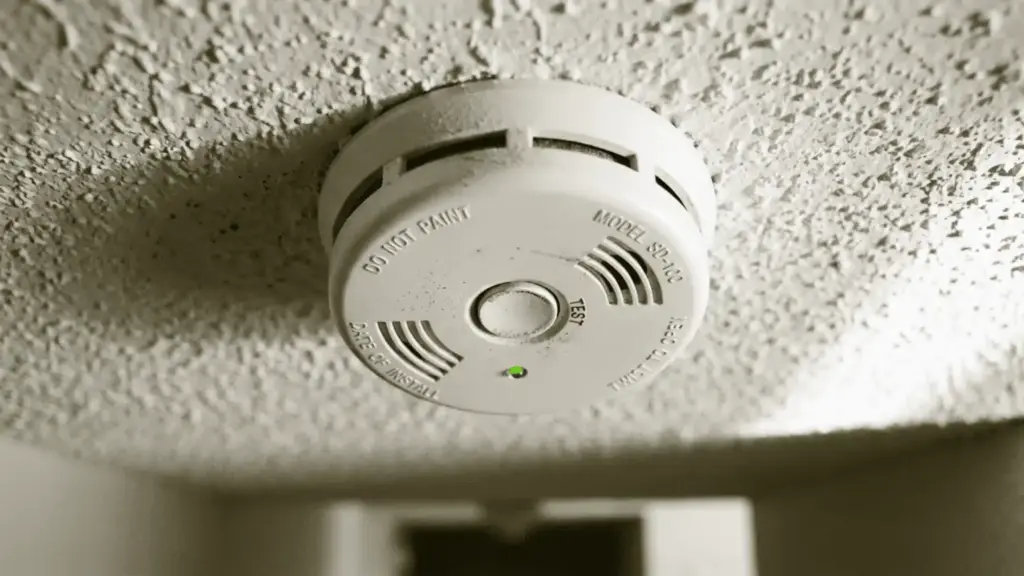
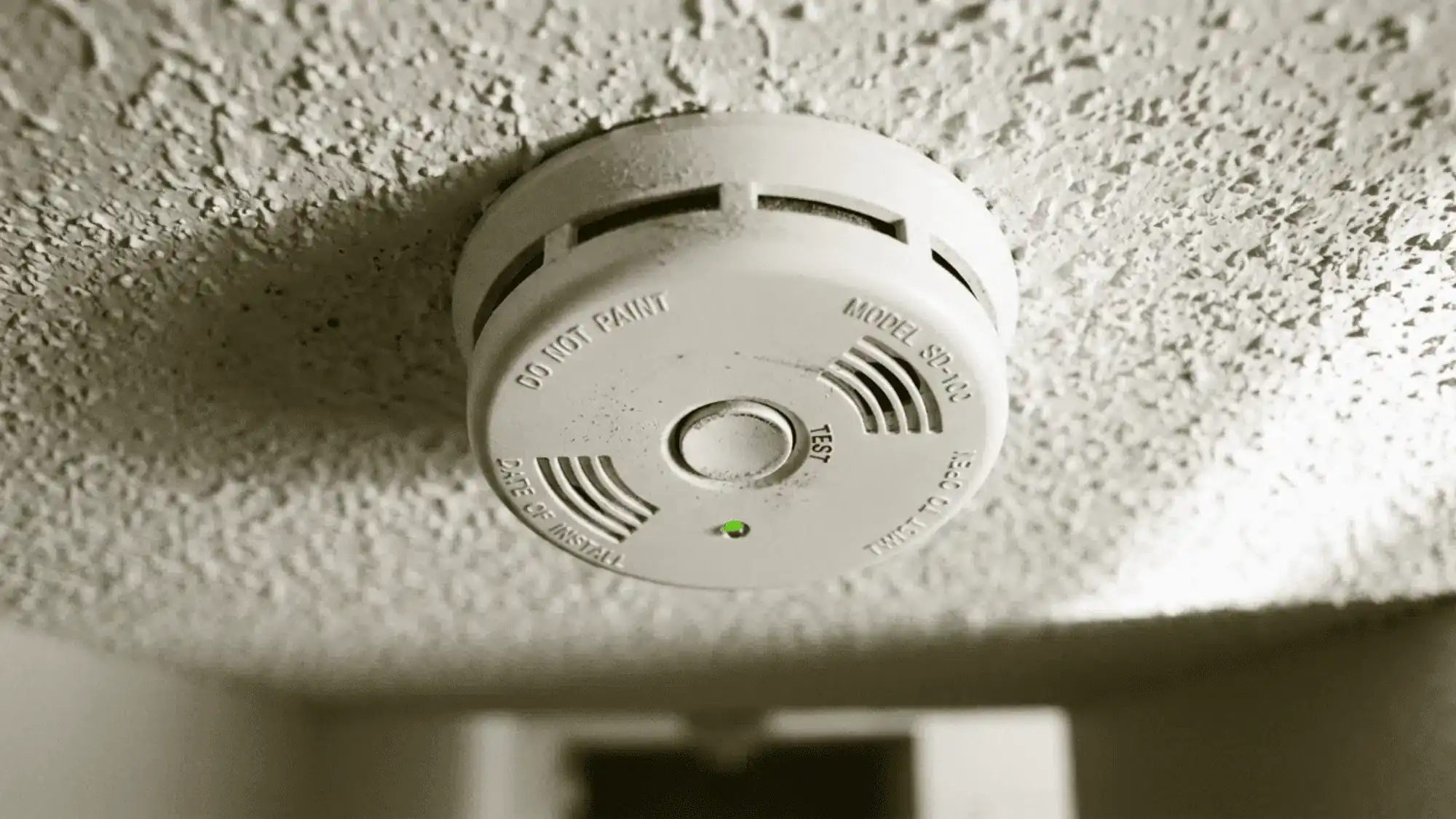



It’s 2 AM. The smoke alarm starts blaring. But there’s no smoke anywhere. No fire. No burnt food. Nothing. Just that loud, ear-splitting beep cutting through the silence.
It’s one of those moments that goes from confusing to frustrating very fast. Most people check the kitchen first. Then they walk around the house, sniffing the air and finding absolutely nothing. So what’s actually going on?
A smoke alarm that keeps going off for no clear reason isn’t just annoying; it can make people start ignoring it altogether. And that’s where things get risky.
There are real reasons this happens, and they’re worth knowing about.
Types of Smoke Detectors and Why They Trigger False Alarms
Smoke detectors come in different types, and each one works differently. Knowing the type at home helps understand why false alarms happen.
- Ionization Detectors: These are highly sensitive to tiny smoke particles. Even steam or dust can set them off easily.
- Photoelectric Detectors: These use light beams to spot smoke. Large visible particles from smoldering fires trigger them more often.
- Dual-Sensor Detectors: These combine both technologies for better coverage. They can still false alarm if either sensor gets triggered.
- Heat Detectors: These respond to rising temperatures, not smoke. A hot shower or cooking steam can sometimes activate them.
- Carbon Monoxide Combination Alarms: These detect both smoke and CO gas. A CO buildup alone can trigger the alarm without any smoke.
Common Reasons Your Smoke Alarm Goes Off Without Smoke

Smoke alarms can trigger without visible smoke due to environmental factors, maintenance issues, or internal faults affecting sensor sensitivity.
1. Dust or Dirt Buildup Inside the Detector
Over time, dust, dirt, and tiny particles can accumulate inside the smoke detector, interfering with its sensors.
These particles can scatter light or disrupt the internal chamber, making the device think smoke is present. This is one of the most common causes of false alarms, especially in homes with poor air filtration or ongoing renovations.
Regular cleaning using a vacuum or compressed air helps maintain accuracy and prevents unnecessary alarms.
2. Low Battery or Battery Malfunction
A low or failing battery can cause a smoke alarm to behave unpredictably, including triggering false alarms. As the battery weakens, the detector may misread signals or send erratic alerts.
Many alarms chirp to indicate low battery, but some may sound full alarms.
Replacing the battery with a fresh, high-quality one and ensuring proper installation can resolve this issue and keep the detector functioning reliably.
3. High Humidity or Steam
Steam from showers or cooking can mimic smoke particles and trigger the alarm.
High humidity levels create moisture droplets that interfere with the detector’s sensing mechanism, especially in photoelectric models. This often happens when detectors are placed too close to bathrooms or kitchens.
Improving ventilation or relocating the unit slightly away from moisture-prone areas can significantly reduce these false alarms.
4. Temperature Fluctuations or Heat Changes
Sudden temperature changes, such as using heaters, air conditioners, or opening windows, can affect how smoke detectors respond.
Some detectors are sensitive to heat shifts and may misinterpret them as fire conditions. This is more common in areas like attics or near HVAC vents.
Ensuring the detector is installed in a stable temperature environment helps minimize these unexpected triggers.
5. Insects Inside the Smoke Detector
Small insects can crawl into the detector and obstruct the sensing chamber, causing the alarm to go off. Their movement or presence can mimic smoke particles and confuse the sensor.
This is a lesser-known but frequent issue in certain climates.
Using detectors with insect-resistant covers and performing periodic inspections can help prevent this problem and maintain proper functionality.
6. Electrical Issues or Power Surges
For hardwired smoke detectors, electrical fluctuations or power surges can cause false alarms.
Faulty wiring, loose connections, or sudden voltage changes may trigger the alarm system unexpectedly. This can also happen during storms or when large appliances cycle on and off.
Having a professional inspect the wiring and ensure stable electrical connections can help eliminate this cause.
7. Aging Smoke Detector
Smoke detectors typically have a lifespan of 8 to 10 years. As they age, their sensors become less reliable and more prone to false alarms.
Internal components degrade over time, leading to inconsistent performance. If your detector is older, replacing it with a newer model is the safest option.
Modern detectors also come with improved technology that reduces false triggering.
8. Nearby Cooking Smoke or Aerosols
Even if you don’t see smoke, tiny particles from cooking, sprays, or aerosols can trigger the alarm.
Activities like frying, using deodorants, or spraying cleaning products release fine particles into the air. These particles can reach the detector and activate it.
Installing alarms at a reasonable distance from kitchens and avoiding spraying directly near them helps prevent such issues.
9. Strong Airflow from Fans or Vents
Airflow from ceiling fans, HVAC vents, or open windows can push dust, steam, or particles into the detector, causing false alarms. It can also disrupt how smoke enters the sensing chamber, leading to inconsistent readings.
Poor placement near vents often increases this problem. Positioning the detector in a calmer airflow area ensures more accurate detection and fewer unnecessary alerts.
10. Faulty or Cheap Smoke Detector
Low-quality or defective smoke detectors may lack proper calibration, making them more sensitive or unreliable.
Manufacturing defects or poor design can lead to frequent false alarms without any real trigger. Investing in a trusted, certified brand ensures better accuracy and durability.
If false alarms persist despite troubleshooting, replacing the unit with a higher-quality model is often the best solution.
What to Do When Your Smoke Detector Goes Off Without Smoke
A blaring smoke detector with no smoke in sight can be stressful. This is what to do right away.
- Stay Calm and Check the Area First: Walk through each room carefully. Look for hidden smoke, burning smells, or anything unusual.
- Press the Silence Button: Most detectors have a hush button. Pressing it stops the beeping while the situation gets checked out.
- Check for Steam or Humidity: Bathrooms and kitchens produce a lot of moisture. Moving the detector away from these areas can help prevent future triggers.
- Look at the Battery: A low or dying battery often causes random beeping. Replacing it right away usually solves the problem quickly.
- Clean the Detector: Dust and insects inside the unit can cause false alarms. A quick wipe or gentle vacuum around the vents helps a lot.
- Call a Professional if It Keeps Going Off: Persistent false alarms may point to a deeper issue. Getting a professional to inspect it is always the safest move.
Why is My Smoke Detector Beeping Randomly With No Smoke?
A smoke detector that beeps randomly can drive anyone up the wall. But there’s usually a simple reason behind it.
The most common cause is a low or dying battery. When the battery starts to drain, the detector sends out short beeps as a warning. It’s the alarm’s way of asking for a replacement.
Beyond the battery, dust and dirt buildup inside the unit can confuse the sensors. Even tiny insects crawling inside can trigger a false alert.
Humidity is another big factor. Steam from a hot shower or a boiling pot can fool the detector into thinking there’s smoke nearby.
Sometimes, the detector is just old. Most units last around 8 to 10 years. After that, the sensors start to wear out and become less reliable.
Random beeping in an older unit is often a sign that a full replacement is due.
How to Fix a Smoke Detector That Keeps Going Off

Fixing a smoke detector that won’t stop going off is easier than most people think. This is how you start:
1. Replace the Battery First: A weak battery is the most common trigger for false alarms. Swapping it out takes less than a minute.
2. Clean the Unit Thoroughly: Dust and debris inside the detector confuse the sensors badly. Use a soft cloth or vacuum to clean around the vents.
3. Move It Away From Steam Sources: Detectors placed near bathrooms or kitchens pick up moisture easily. Relocating it even a few feet can make a big difference.
4. Check for Insects Inside the Unit: Small bugs crawling inside the detector can trigger the sensors unexpectedly. Carefully open the unit and check for any activity.
5. Reset the Detector: Sometimes the sensor just needs a fresh start. Hold the reset button for about 15 to 20 seconds to reboot it.
6. Check the Age of the Unit: Smoke detectors older than 10 years tend to malfunction more frequently. Replacing an outdated unit is often the most practical fix.
7. Call an Electrician for Hardwired Units: Hardwired detectors can develop wiring issues over time. A licensed electrician can inspect and fix the problem safely.
How to Prevent False Smoke Alarm Triggers
Preventing false smoke alarm triggers is not complicated. A few simple habits can keep the detector working without unnecessary interruptions.
- Place the Detector in the Right Spot: Keep it away from kitchens, bathrooms, and laundry rooms. Steam and cooking fumes from these areas trigger false alarms more often.
- Clean the Unit Every Few Months: Dust builds up inside over time and confuses the sensors badly. A quick wipe or gentle vacuum around the vents keeps things running smoothly.
- Check and Replace the Battery Once a Year: A weak battery is one of the most common causes of random beeping. Setting a yearly reminder makes it easy to stay on top of this.
- Pick the Right Detector for Each Room: Photoelectric detectors handle steam-prone areas better than other types. Ionization detectors work best in spaces where fast-burning fires are a bigger risk.
- Test the Detector Every Month: Regular testing confirms the unit is still working correctly. It takes less than a minute and gives real peace of mind.
When Should You Replace Your Smoke Detector?
Most people only think about replacing a smoke detector after it starts acting up. But waiting that long isn’t the safest approach.
The general rule is simple. Smoke detectors should be replaced every 8 to 10 years. After that, the sensors inside start to degrade and become less accurate. An old detector may not respond fast enough in a real emergency.
The manufacturing date is usually printed on the back of the unit. Checking it takes less than a minute and gives a clear idea of where things stand.
There are other signs to watch for, too. If the detector keeps going off randomly, fails the monthly test, or shows a steady red light even after a battery change, it’s time for a new one.
Moving into a new home is also a good reason to check the detectors right away. There’s no way of knowing how old they are or how well they’ve been maintained.
Replacing a smoke detector is a small task. But getting it done on time can make all the difference when it truly matters.
Are Smoke Detectors Going Off Without Smoke Dangerous?
A smoke detector going off without smoke might seem like just a minor inconvenience. But it can actually point to something more serious.
In some cases, a false alarm is a sign that the detector is malfunctioning. A unit that cries wolf too often becomes easy to ignore. And that’s the real danger. When people start tuning out the alarm, they risk missing a genuine emergency.
There’s also the possibility that the alarm isn’t entirely false. Carbon monoxide, which has no smell or color, can trigger certain combination detectors. That kind of alert should never be dismissed without a proper check.
Electrical issues in hardwired detectors are another concern. Faulty wiring can cause random beeping and may also point to a broader problem in the home’s electrical system.
So no, a smoke detector going off without smoke isn’t always harmless. Taking a few minutes to find the cause is always the smarter move. It keeps the home safe and ensures the detector works properly when it actually needs to.
Wrapping Up
A smoke detector that goes off without smoke is rarely something to brush off. It’s usually pointing to something: a dying battery, dust buildup, poor placement, or an aging unit that needs replacing.
The fix is almost always simple. Regular cleaning, timely battery replacements, and picking the right detector for each room can prevent most false alarms from happening in the first place.
Most importantly, never make a habit of ignoring the alarm. Test the detector once a month and replace it every 8 to 10 years.
A little attention now keeps everyone safer later.