


Imagine walking into a house that already knows what you need. The lights are just right. The temperature feels perfect. And everything seems to work on its own. Sounds like something out of a sci-fi movie, right?
Well, it’s not fiction anymore. Smart home automation has become commonplace its everyday homes. And people are paying close attention.
But how does it all work? What makes a home “smart” in the first place? And is it really as useful as everyone says it is?
This blog breaks it all down to no tech jargon, no confusing explanations. Just a clear look at what smart home automation actually means and why so many people are talking about it
How Does Smart Home Automation Work?
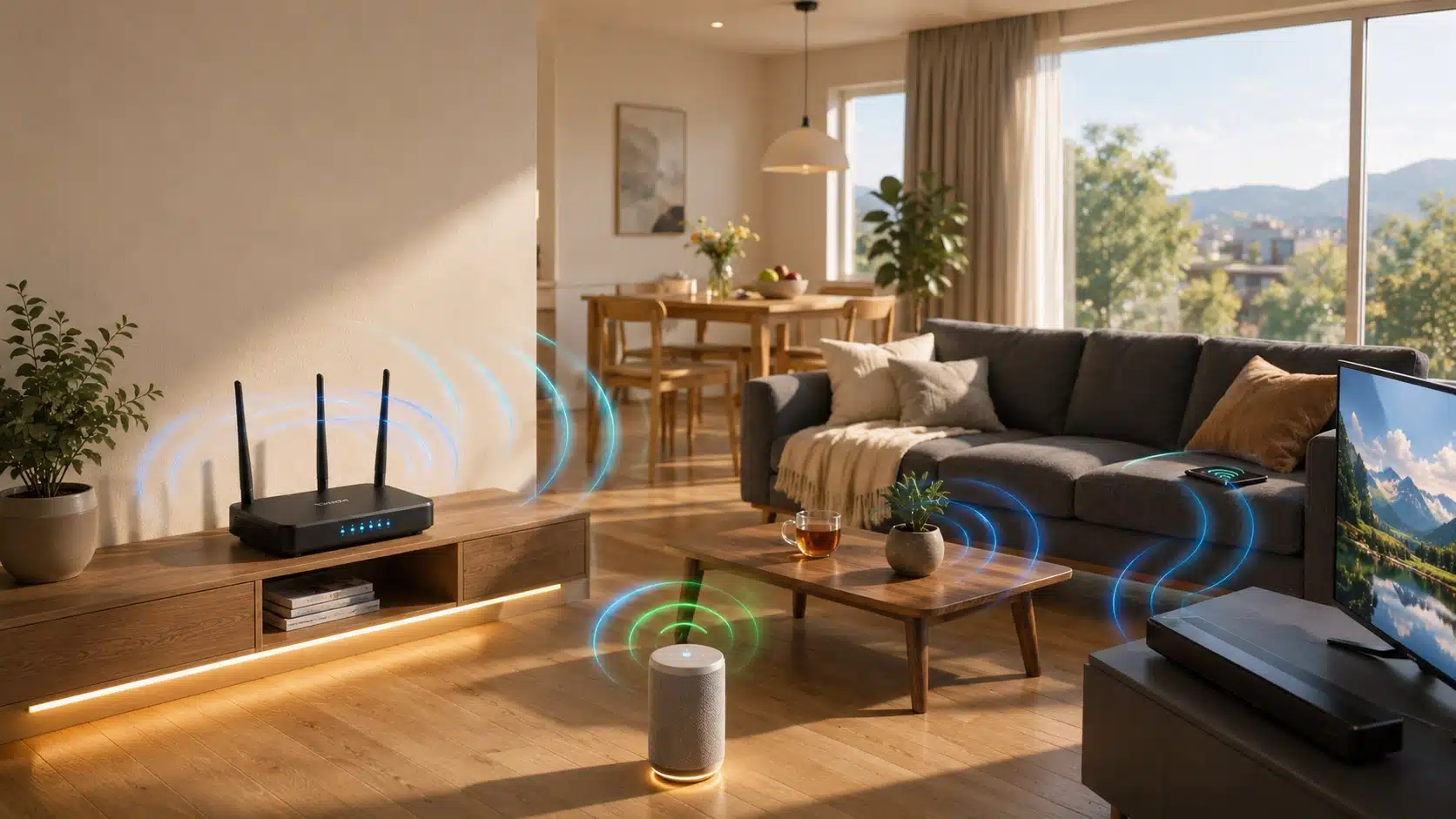
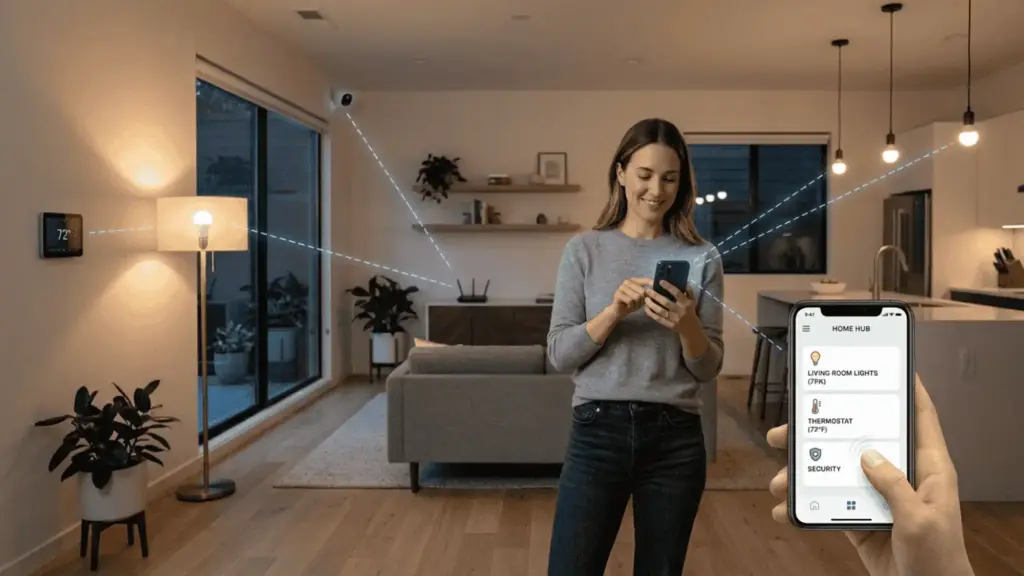
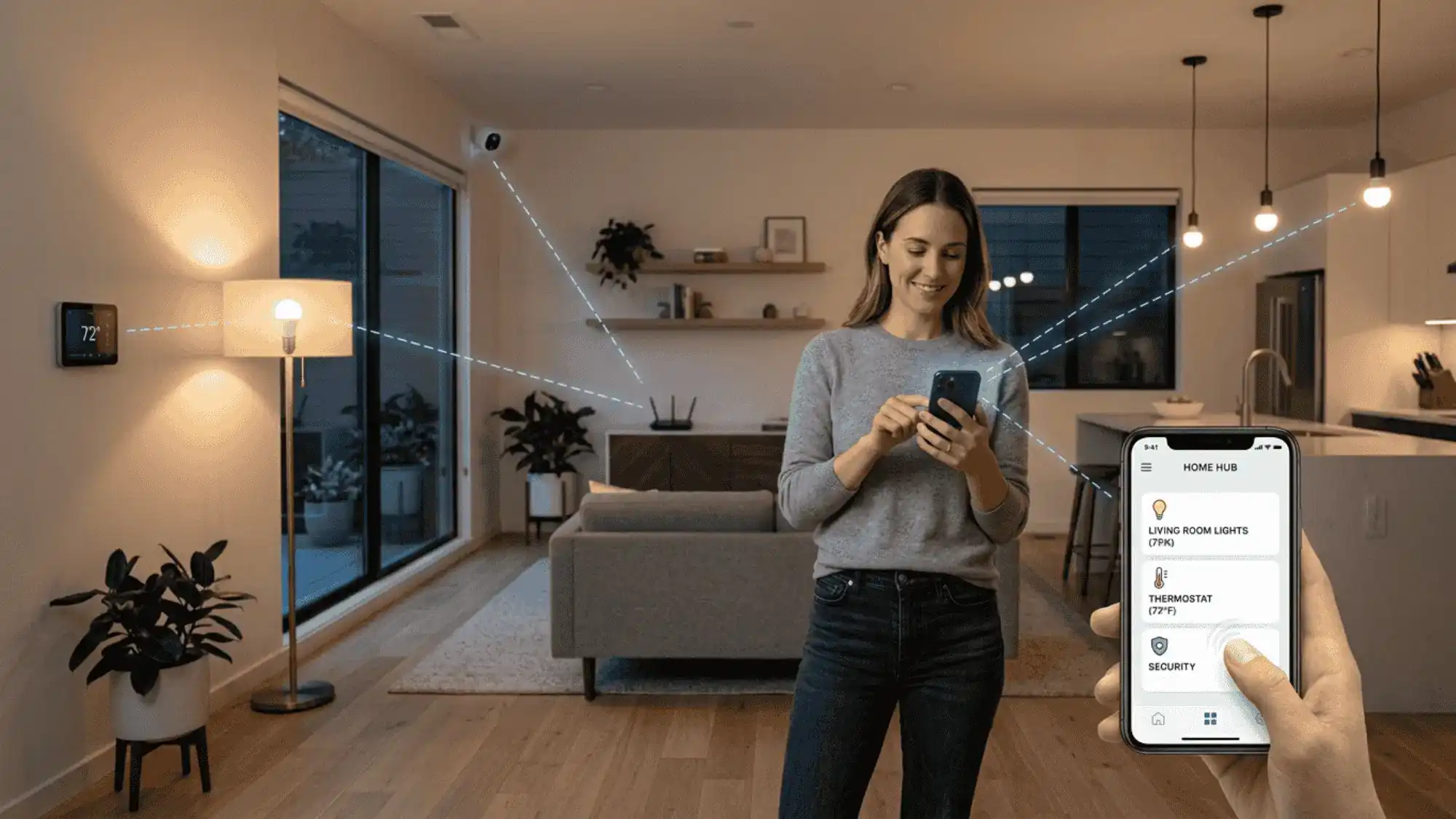
Smart home automation works by connecting different devices in a home to a central system. This system lets those devices talk to each other and respond to commands.
Most of it runs through the internet. A smartphone, a voice assistant, or even a set schedule can control things like lights, locks, thermostats, and cameras.
The devices use wireless technologies like Wi-Fi, Bluetooth, or Zigbee to stay connected. Once everything is linked, the system can follow simple rules. For example, the lights can turn off when everyone leaves the house.
It sounds complex, but the idea is pretty simple. One system brings everything together. And from there, the home starts working more intelligently.
Key Components of a Smart Home Automation System

A smart home system is made up of several parts that work together to keep everything running smoothly.
- Smart Devices: These are the gadgets like bulbs, locks, and thermostats that make a home smart.
- A Central Hub: This acts as the brain of the system and connects all devices together.
- Internet Connection: A stable Wi-Fi network keeps all the smart devices linked and working properly.
- Sensors and Detectors: These pick up motion, temperature, or light changes and send signals to the system.
- Smart Speakers or Displays: Devices like Amazon Echo or Google Nest let users control everything using voice commands.
- A Smartphone or App: This gives users full control of their smart home from anywhere, anytime.
Benefits of Smart Home Automation
Smart home automation brings a lot of good things to the table. These are the key benefits worth knowing.
- Greater Convenience: Controlling lights, locks, and appliances from a phone saves time and effort every single day.
- Better Energy Efficiency: Smart devices use only the energy needed, which helps cut down on monthly electricity bills.
- Improved Home Security: Smart cameras, doorbells, and locks keep a close watch on the home at all times.
- Remote Access and Control: Users can check and control their home devices from anywhere using just a smartphone.
- Customised Schedules and Routines: Devices can be set to follow a fixed schedule that fits daily lifestyle needs.
- Increased Comfort: The home adjusts lighting, temperature, and other settings automatically to keep things feeling just right.
- Higher Property Value: Homes fitted with smart technology tend to attract more buyers and sell at better prices.
Smart Home Automation and Security Explained
Home security has always been a top priority for most people. And smart home automation has made it a whole lot stronger.
Today, smart security systems go far beyond a basic lock-and-key.
Homeowners can now keep an eye on their property through smart cameras, video doorbells, and motion sensors. These devices send real-time alerts straight to a smartphone the moment something feels off.
Smart locks are another big part of the picture. They allow homeowners to lock or open doors remotely. No more worrying about whether the door was left unlocked.
Some systems even use facial recognition and fingerprint access. So only the right people get in. It is a practical and reliable way to keep a home safe around the clock.
Types of Smart Home Automation Systems

Smart home automation systems vary based on installation, connectivity, and control methods, offering flexibility, scalability, security, and ease of use.
1. Wired Smart Home Automation Systems
Wired systems use physical cables to connect devices, ensuring stable and reliable communication. They are ideal for new constructions, offer high security, and are less prone to interference.
However, installation can be costly and complex compared to wireless setups.
2. Wireless Smart Home Automation Systems
Wireless systems rely on Wi-Fi, Zigbee, or Bluetooth to connect devices without extensive wiring.
They are easy to install, flexible, and suitable for existing homes. While convenient, they may depend heavily on network strength and can face occasional connectivity issues.
3. DIY Smart Home Automation Systems
DIY systems allow homeowners to set up automation without professional help. These are budget-friendly, customizable, and easy to expand over time.
They are perfect for beginners, though they may lack advanced integration and require basic technical understanding.
4. Professionally Installed Smart Home Systems
These systems are designed and installed by experts, ensuring seamless integration and advanced functionality. They offer robust performance, better security, and full home control. However, they are more expensive and may require ongoing maintenance or service subscriptions.
5. Cloud-Based Smart Home Automation Systems
Cloud-based systems operate through internet servers, allowing remote access and control from anywhere. They enable real-time updates, voice integration, and data storage.
However, they rely on internet connectivity and may raise privacy concerns for some users.
6. Locally Controlled Smart Home Systems
Local systems function without relying heavily on the internet, using hubs or local servers.
They offer faster response times, improved privacy, and reliability during internet outages. However, remote access features may be limited compared to cloud-based solutions.
Examples of Smart Home Automation in Daily Life
Smart home automation shows up in more ways than most people realize. Here are some common real-life examples.
1. Automated Lighting: Lights turn on or off on their own based on motion or a set schedule.
2. Smart Thermostats: The heating or cooling system adjusts automatically to keep the home at a comfortable temperature.
3. Voice-Controlled Appliances: A simple voice command can turn on the TV, play music, or set a timer.
4. Smart Door Locks: Doors can be locked or opened remotely through a smartphone app without using a physical key.
5. Automated Window Blinds: Blinds open or close on their own based on the time of day or sunlight levels.
6. Smart Kitchen Appliances: Coffee makers and ovens can be scheduled to start at a specific time every morning.
7. Robot Vacuum Cleaners: These devices clean the floors automatically on a set schedule without any manual effort needed.
8. Smart Baby Monitors: Parents can watch and listen to their baby remotely through a connected camera and smartphone app.
Is Smart Home Automation Safe?

Safety is one of the first things that comes to mind when people think about smart home automation. And it is a fair concern.
Like any technology connected to the internet, smart home devices can be at risk. Hackers can try to get into poorly secured systems. This is why choosing devices from trusted brands and keeping software updated matters a lot.
Using strong passwords and two-factor authentication adds another layer of protection. A secure Wi-Fi network also goes a long way in keeping things safe.
Smart home automation is generally safe when set up the right way. A little care and attention make a big difference.
Cost of Smart Home Automation Systems
One of the most common questions people ask is how much smart home automation actually costs. And the answer depends on a few things.
A basic setup with a smart speaker, a few bulbs, and a smart plug can cost as little as $100 to $200. It is a good starting point for anyone new to smart home technology.
A mid-range setup with smart locks, cameras, and a thermostat can range anywhere between $500 to $2,000. This gives homeowners a more complete experience.
A fully automated home with professional installation can go well above $10,000. But most people do not need to go that far.
The smart home automation can be built up slowly. Start small, and add more devices over time as needed.
To Conclude
Smart home automation is no longer just for tech enthusiasts. It has become a practical choice for everyday homeowners looking for more comfort, security, and control.
From automated lighting to smart locks and energy-saving thermostats, the options are wide and growing. And the best part is that anyone can start small and build up at their own pace.
So, is smart home automation worth it? For most people, the answer is yes.
Take a look around the home and think about what could work better. The right smart device might be closer than expected.