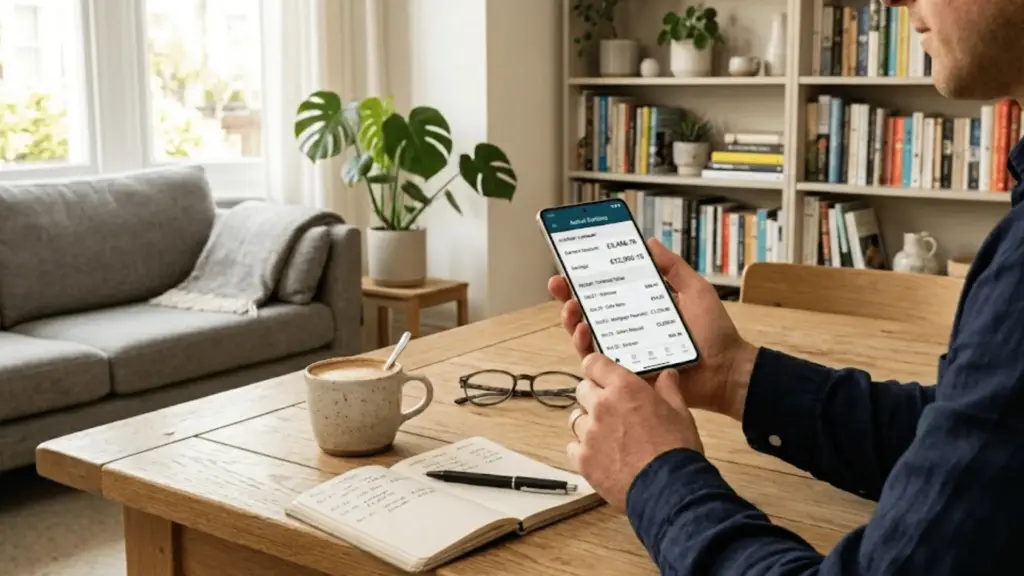



Managing money from a phone screen used to feel like something out of a sci-fi film. Now, it is just a Tuesday morning. Online banking quietly rewrote how we spend, save, and move money, and for the most part, it has made life genuinely easier.
That said, with more of our financial lives living on screens, concerns around fraud, identity theft, and data breaches have grown right alongside the convenience.
It can feel overwhelming, especially when the headlines make it seem like no one is safe.
Here is the reassuring part: online banking is, by and large, quite secure. A handful of thoughtful habits goes a long way in keeping your accounts protected.
This guide walks you through the essentials, the practical stuff you can actually use, so you can bank online with a lot less worry and a lot more confidence.
What is Online Banking Security?
Online banking security is essentially the layer of protection standing between your money and anyone who should not have access to it.
It covers everything from how your data travels across the internet to how your bank confirms it is actually you logging in.
When you log in, SSL/TLS encryption scrambles your data so it is unreadable to anyone intercepting it.
Authentication systems then step in to confirm your identity, whether through a password, a one-time code, or biometrics.
Running quietly in the background, monitoring systems flag anything that looks out of place and can pause a transaction before any real damage is done.
Key Security Features Used by Banks
Your bank is doing a lot more behind the scenes than most people realize. These are the core features working around the clock to keep your account safe.
- Data encryption converts your information into unreadable code the moment it leaves your device.
- Multi-factor authentication asks for a second form of verification, so a stolen password alone gets no one very far.
- Automatic logout closes your session after a period of inactivity, quietly tidying up after you.
- AI-powered fraud detection monitors transactions in real time and flags anything that looks off before it becomes a problem.
- Biometric authentication uses your fingerprint or face to verify identity in a way that is genuinely hard to replicate.
Together, these layers create a security net that is far more robust than any single feature could be on its own. You may not see all of it, but it is very much there.
Common Online Banking Security Threats
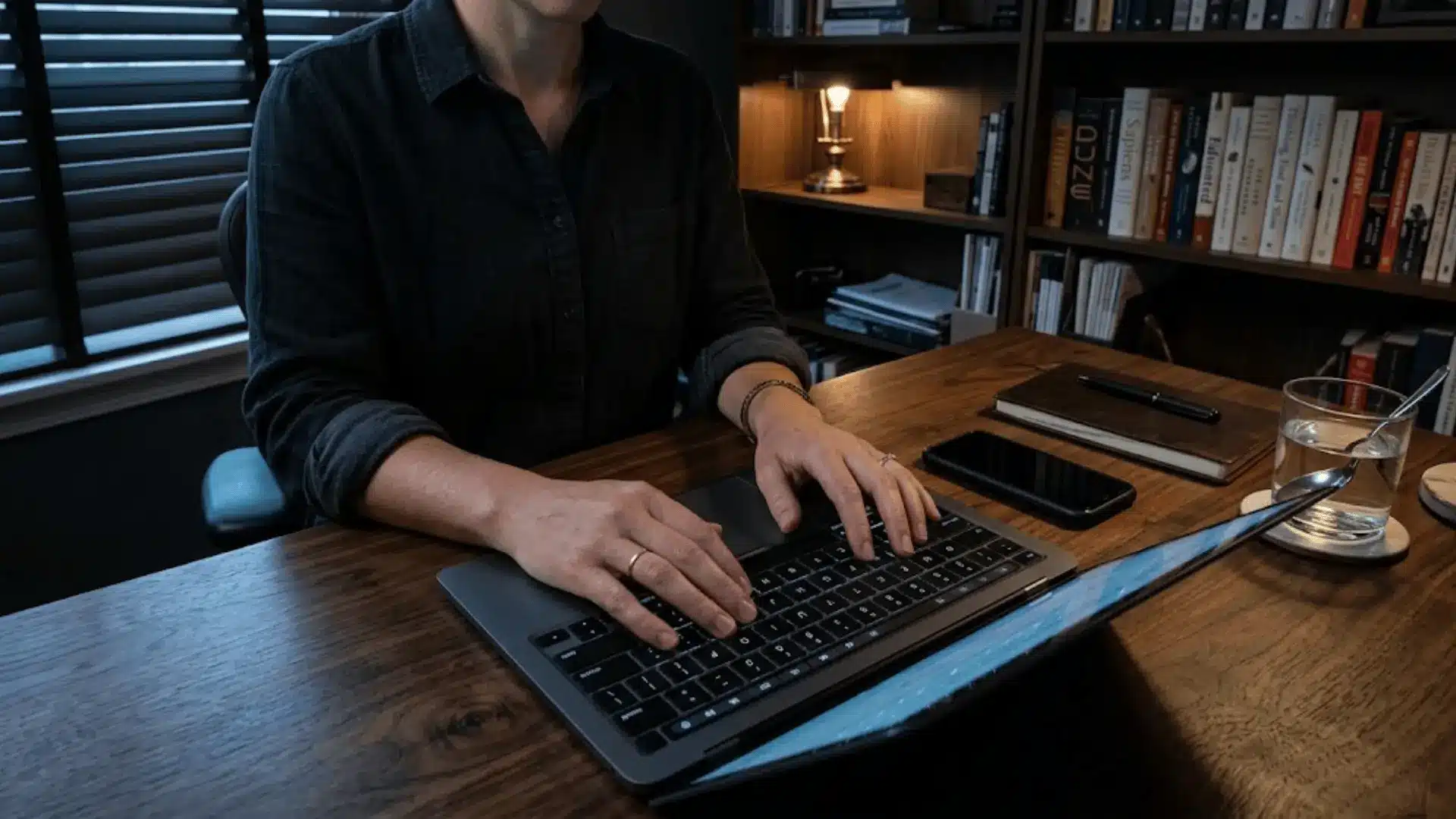
Knowing what you are up against is half the battle. These are the threats most likely to target everyday online banking users.
1. Phishing Attacks
Phishing is one of the oldest tricks in the book and still one of the most effective. You receive an email or message that looks completely legitimate, maybe even from your own bank, nudging you to click a link or enter your details.
The goal is to get you to hand over sensitive information without realizing you are being deceived. A moment of trust in the wrong place is all it takes.
2. Malware and Keyloggers
Malware slips onto your device through a dodgy download, a suspicious attachment, or even a compromised website. Once in, keyloggers silently record every keystroke you type, including your login credentials, and send that data elsewhere.
You would not notice anything wrong, which is exactly what makes this kind of threat so unsettling and so worth guarding against.
3. Public Wi-Fi Risks
That free Wi-Fi at the café is convenient, but logging into your bank account on an unsecured network is a risk most people underestimate.
Unencrypted public networks make it relatively easy for someone nearby to intercept your data. Saving your banking for a trusted connection is a simple but meaningful precaution.
4. Identity Theft
Identity theft goes beyond a single compromised password. Criminals piece together personal details from various sources to impersonate you convincingly enough to access accounts, apply for credit, or make transactions in your name.
The damage can take a long time to untangle, which is why protecting your personal information across every platform matters more than most people think.
5. Fake Banking Apps or Websites
Some fraudulent platforms are built to look almost identical to the real thing, right down to the logo and color scheme. A convincing fake app or website can capture your login details the moment you type them in, with you none the wiser.
Always downloading apps from official sources and double-checking website URLs before logging in is the kind of small habit that makes a real difference.
Essential Online Banking Security Tips
Staying secure online does not require a tech background. A few consistent habits, practiced regularly, cover most of the ground you need.
- Use a strong, unique password for your banking account and never recycle it across other platforms.
- Turn on multi-factor authentication so that a password alone is never enough to get in.
- Skip the public Wi-Fi when checking your accounts and stick to a private, trusted connection.
- Keep your devices and banking apps updated since most updates exist specifically to patch security gaps.
- Check your account regularly for unfamiliar transactions and report anything unusual to your bank straight away.
- Treat unexpected links and requests for personal information with skepticism, even when they look like they came from your bank.
- Always log out after each session, especially on a shared or public device where the next person could pick up right where you left off.
None of these takes more than a minute to put in place, and together they make your account significantly harder to compromise. Small steps, genuinely big difference.
Best Practices for Mobile Banking Security
Your phone is essentially a wallet now, which means it deserves the same level of care. These practices keep your mobile banking experience both seamless and secure.
| Practice | What to do | Protects against |
|---|---|---|
| Screen lock and biometrics | Enable PIN, fingerprint, or face unlock | Unauthorized device access |
| Official apps only | Download only from your bank’s verified source | Fake apps and credential theft |
| Transaction alerts | Turn on push notifications for every login and payment | Undetected fraudulent activity |
| No stored sensitive data | Never save passwords or card details on your device | Data exposure if the device is lost |
Online Banking Security Do’s and Don’ts
Good security habits are less about what you know and more about what you actually do. Here is a quick reference to keep you on the right side of safe.
Do’s
Small actions that quietly do a lot of the heavy lifting for your account security.
- Stick to websites with HTTPS in the address bar before entering any details.
- Set up alerts for every transaction so nothing slips by unnoticed.
- Update your password regularly and make each one distinct.
Don’ts
Common slip-ups that are easy to avoid once you know what to watch for.
- Never share your OTP or password with anyone, including someone claiming to be your bank.
- Avoid clicking links in unsolicited emails or messages, even when they look convincing.
- Do not save passwords on shared or public devices where others can access them after you leave.
How Safe is Online Banking Today?

Safer than it has ever been, honestly. Encryption, multi-factor authentication, and AI-driven monitoring have made modern banking infrastructure genuinely robust. Banks invest heavily in staying ahead of threats, and it shows.
The weak link, more often than not, is human error, a reused password, a clicked link, a moment of misplaced trust. Most successful attacks do not break through security systems; they work around them.
The reassuring reality is that online banking is very safe when you follow best practices. The technology is solid. Pairing it with a little awareness on your end makes it even more so.
What to Do if Your Online Banking is Compromised?
Noticing suspicious activity on your account can feel alarming, but acting quickly makes all the difference.
Here is exactly what to do, in order.
- Contact your bank immediately to freeze your account and stop any further unauthorized activity.
- Change your passwords and PINs across all accounts, starting with banking and anything linked to it.
- Turn on multi-factor authentication if it was not already active to close the gap for future attempts.
- Review your recent transactions closely and flag anything unfamiliar to your bank straight away.
- Report the fraud to the relevant authorities so there is an official record and a wider investigation if needed.
A breach feels like a lot in the moment, but most damage is containable when you move fast. The steps above put control back in your hands.
Future Trends in Online Banking Security
The technology behind online banking security is moving fast. AI-powered fraud detection is getting sharper at spotting threats in real time, often before any damage is done.
Passwords are gradually giving way to biometric and passwordless authentication, making logins both smoother and harder to compromise.
Behavioral analytics takes this further by learning how you typically interact with your account and flagging anything that feels off.
On the infrastructure side, blockchain innovations are adding new layers of tamper-proof transparency to how financial data is stored and verified. The future of banking security is looking genuinely promising.
Wrapping Up
Online banking security has come a long way, and so has the everyday user.
Awareness, paired with a few dependable habits, is genuinely all it takes to bank with confidence. The threats are real, but so are the tools available to counter them.
At the end of the day, staying safe online is less about being tech-savvy and more about staying a little attentive. Small, consistent choices add up to something quite solid over time.
Which of these security tips are you already using, and which one are you planning to start with? Drop a comment below, would love to know.
Frequently Asked Questions (FAQs)
What is the Safest Way to Bank Online?
Turning on multi-factor authentication, using a strong, unique password, and sticking to a private network take care of most of the risk. It is a small setup that makes a genuinely big difference to how secure your account is.
Can Hackers Access My Bank Account?
It is possible, but only when security measures are weak or login credentials have been exposed through phishing or password reuse. Banks invest heavily in protection; the vulnerability is usually on the user’s side, not theirs.
What Should I Avoid when Using Online Banking?
Keep away from public Wi-Fi, unsolicited links, and passwords that are easy to guess, since these are the most common ways accounts get into trouble. Avoiding just these three things puts you well ahead of most risks.