


If you’ve been on the fence about the Oura Ring, I get it. A screenless ring that costs over $300 and charges a monthly fee sounds like a hard sell.
Wear it daily, and the overnight data starts revealing health patterns you never knew existed.
This Oura Ring review covers everything from sleep-tracking accuracy to long-term comfort, so you can decide whether it’s worth it.
What Is the Oura Ring and How Does It Work?
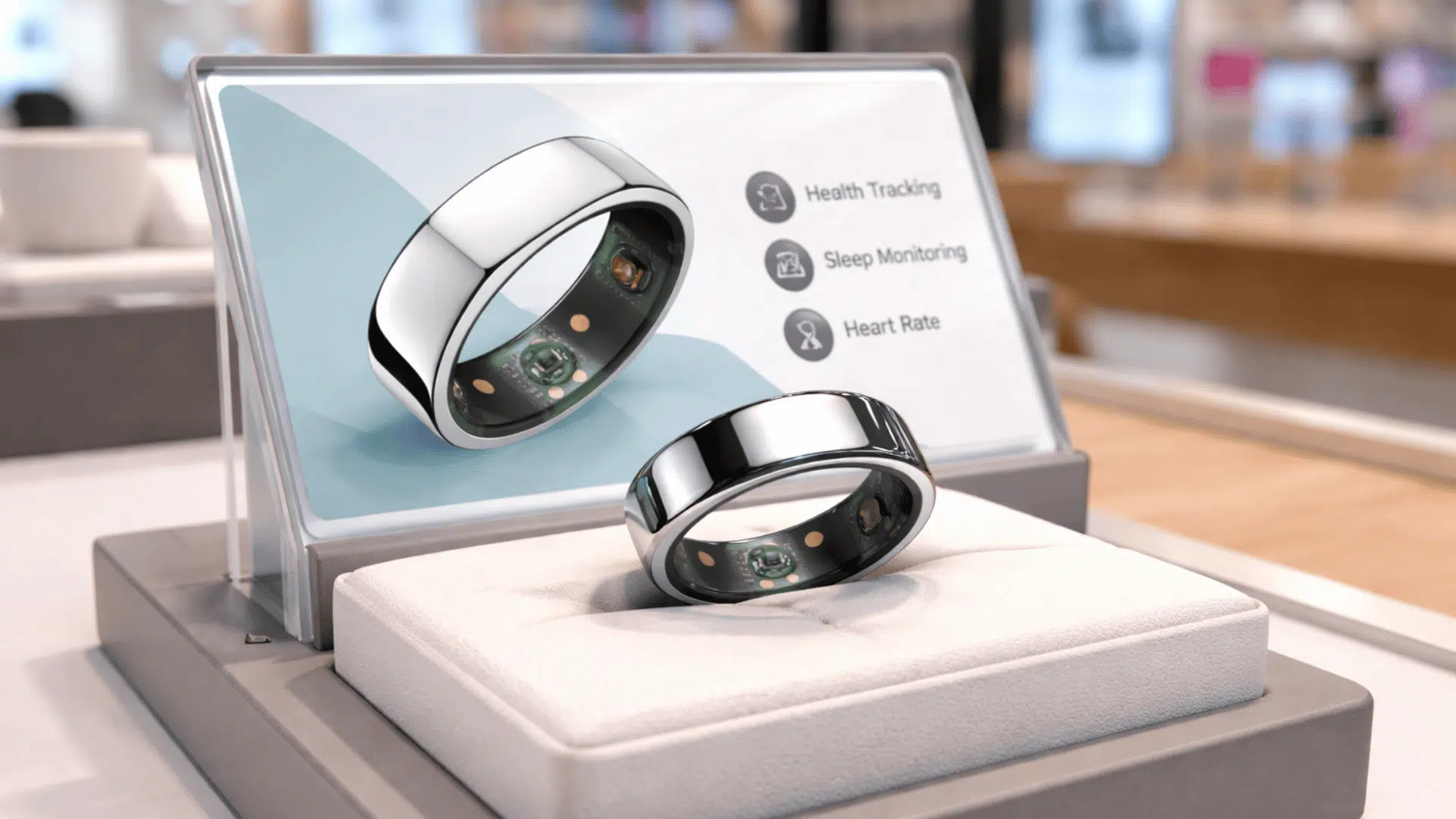
The Oura Ring is a lightweight smart ring that tracks your health from your finger instead of your wrist.
Unlike a smartwatch, it runs quietly in the background, no screen, no notifications, just data. It monitors sleep stages, heart rate variability (HRV), body temperature, and a daily Readiness Score.
What makes it different is that it learns your baseline instead of comparing you to generic averages. It comes in two versions: Gen 3 and the newer Gen 4.
Unboxing and First Impressions
The box includes the ring, a charging cable, and a sizing kit with plastic trial rings. Setup is straightforward: download the Oura app, create an account, and pair via Bluetooth in minutes.
One important note: Gen 4 rings fit differently from Gen 3, so wear the sizing kit for a full 24 hours before choosing your size.
First-night comfort is surprisingly good; it’s lightweight enough that most people forget they’re wearing it.
Design and Comfort: Can You Wear It 24/7

The Oura Ring weighs just 4–6 grams, depending on size, and after 2–3 nights, most people stop noticing it completely, even during sleep.
It’s made from titanium, so it feels solid without being bulky. If durability matters, skip the standard Black finish, as it picks up microscratches easily.
The Stealth and Brushed Silver options hold up much better in the long term. It’s also water-resistant up to 100 meters, making it safe for showers, swimming, and gym sessions.
Key Features and What It Tracks

The Oura Ring goes far beyond basic step counting. Here’s a breakdown of every major feature and what it actually means for your daily life.
1. Sleep Tracking
Oura uses temperature trends, blood oxygen, heart rate, HRV, and breathing rate to map your sleep stages each night.
Oura hits 79% sleep/wake accuracy and 55–72% for sleep stages, not perfect, but accurate enough to reveal how small habits like a late drink quietly tank your deep sleep.
2. Readiness Score
The daily Readiness Score pulls together HRV, resting heart rate, skin temperature deviation, and sleep balance into a single number.
Scores below 70 consistently lined up with sluggish workouts and foggy focus. Once you start checking it each morning, it genuinely changes how you plan training days versus recovery days.
3. Heart Rate Variability (HRV)
HRV is Oura’s most powerful metric, a non-invasive window into your autonomic nervous system and recovery status.
Because it’s measured overnight during deep sleep, the readings are far more reliable than any daytime spot check on a smartwatch.
4. Body Temperature Tracking
The ring detects subtle shifts in basal body temperature that are invisible without a sensor on your body all night.
It’s particularly useful for catching illness 1–2 days before symptoms hit, and for tracking menstrual cycle phases. Just note that it takes 3+ nights of baseline data before deviations become meaningful.
5. Activity and Step Tracking
Oura handles everyday movement and step tracking well, and it captures activity heart rate reliably during moderate exercise.
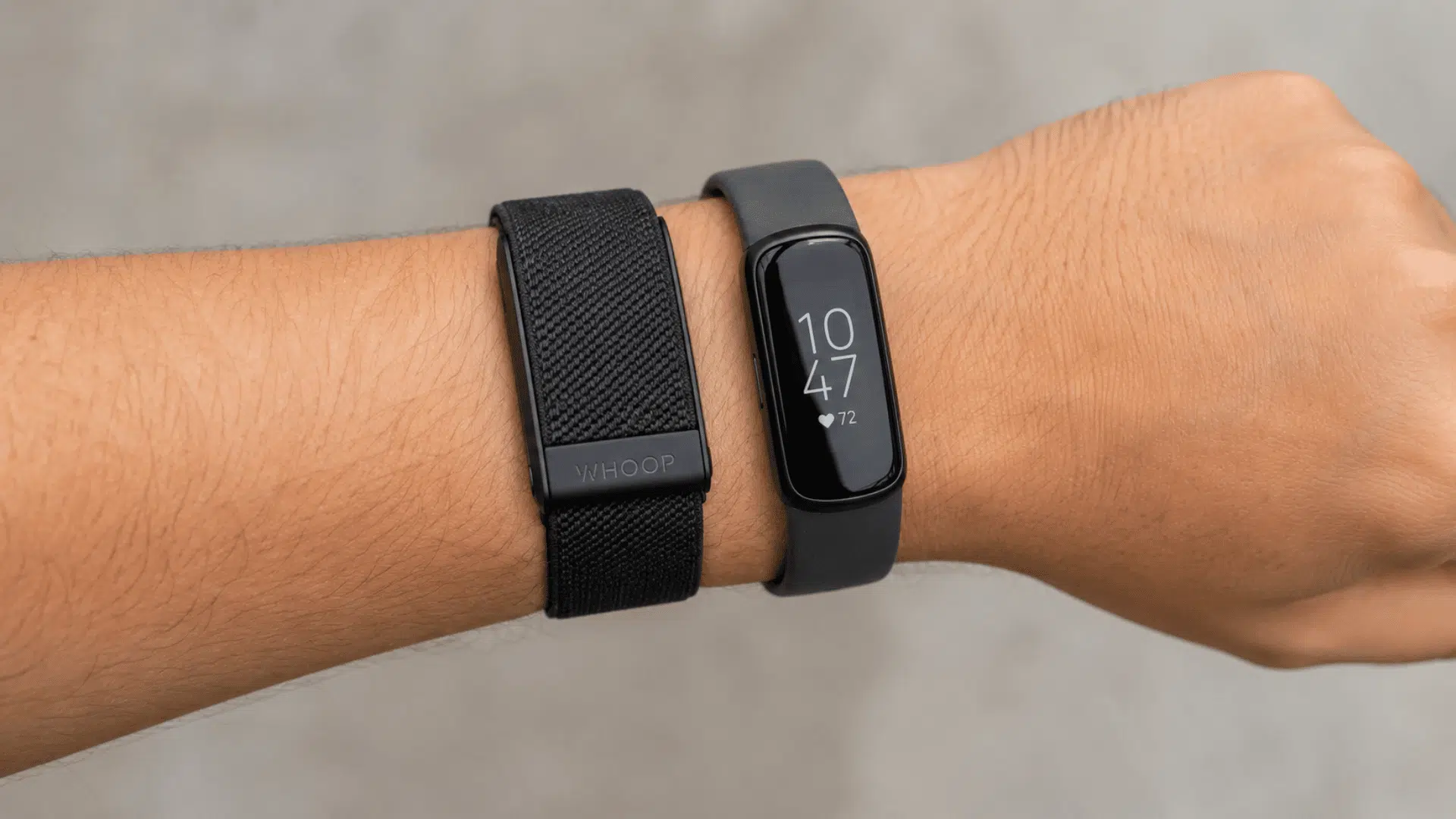
For high-intensity training, though, it has limits; serious athletes are better off pairing it with a WHOOP band or chest strap for real-time workout coaching.
6. New 2026 App Features
The 2026 app update added the Resilience Metric, which tracks how your body balances stress and recovery across a rolling 14-day window, a smarter picture than a single-day score.
March 2026 also introduced a dedicated AI model trained specifically on women’s health clinical research, enabling cycle and hormonal insights to be significantly more personalized.
Oura Ring Pros and Cons: A Quick Real-User Breakdown
Tracking your health with the Oura Ring sounds impressive, but real user experiences reveal both strong benefits and clear drawbacks. Here’s a quick breakdown to help you decide if it fits your needs.
| PROS | CONS |
|---|---|
| Best-in-class sleep tracking | Expensive + subscription required |
| Actionable health insights | Weak workout tracking accuracy |
| Comfortable, discreet design | The battery degrades over time |
| Strong women’s health tracking | Prone to scratches |
| Long battery life (initially) | Can cause data anxiety |
Who Should Buy the Oura Ring?
The Oura Ring is not for everyone, but for the right person, it is one of the most capable health trackers available today.
Buy It If
It’s built for people who prioritize recovery and sleep data over flashy features.
- You want detailed sleep and recovery tracking in a discreet, screenless design
- You’re a woman looking for accurate cycle tracking via the Natural Cycles integration
- You’re comfortable with the subscription model on top of the upfront cost
Skip It If
It’s not the right tool if you need real-time features or hate recurring fees.
- You need a screen for notifications, or you want to check stats without your phone
- You want a built-in GPS for running or triathlon training
- A monthly subscription on top of a $300+ device feels like a deal-breaker
Oura Ring vs. Competitors
Not every health tracker fits every lifestyle, so here’s how the Oura Ring stacks up against the most popular alternatives on the market.
| DEVICE | BEST FOR | SUBSCRIPTION |
|---|---|---|
| Oura Ring 4 | Sleep & recovery | $5.99/mo |
| WHOOP 5.0 | Workout strain | Required |
| Samsung Galaxy Ring | Android users | None |
| Apple Watch Ultra 2 | All-round smartwatch | None |
Wrapping It Up
After months of daily wear, my take on the Oura Ring review process is simple: no other wearable has changed how I approach sleep and recovery quite like this one.
Not perfect, and the subscription adds up, but for data-driven health decisions, it’s worth it.
Ready to try it? Start with the sizing kit to make sure you get the right fit. Once that’s sorted, the rest of the setup is straightforward.
Frequently Asked Questions(FAQ)
Is The Oura Ring Worth The Monthly Subscription Fee?
The $5.99 monthly fee on top of a $299+ ring feels steep, but the personalized insights, trend data, and Resilience Metric make it feel like a feature, not just a paywall.
How Accurate Is The Oura Ring Compared To A Smartwatch?
Oura tracks HRV and sleep from the finger, providing cleaner overnight readings than wrist devices. It has about 79% sleep/wake accuracy, decent for consumers but not as detailed as clinical tools.
Can You Wear The Oura Ring In The Shower And Gym?
Yes, the ring is water-resistant to 100 meters and safe for showers, swimming, and workouts. However, weightlifting may cause micro-scratches, so removing it during heavy lifting is wise.
Does The Oura Ring Work Without A Subscription?
The ring gathers data without a subscription, but to access key insights such as Sleep Score, Readiness Score, and trends, a monthly membership is required. Without it, its value drops.