


The PlayStation 5 has already set a high bar for console gaming. Now, talk of the PS5 Pro is raising new questions about power and performance.
There is growing interest in how much of a difference the upgrade will actually make. I have followed how console upgrades evolve over time, and the gap is not always clear at first.
This comparison focuses on what truly matters in real use. It looks at how both systems may perform under pressure.
By the end, you will have a clearer idea of which option fits your setup and what kind of performance you can expect.
What Sets the PS5 and PS5 Pro Apart
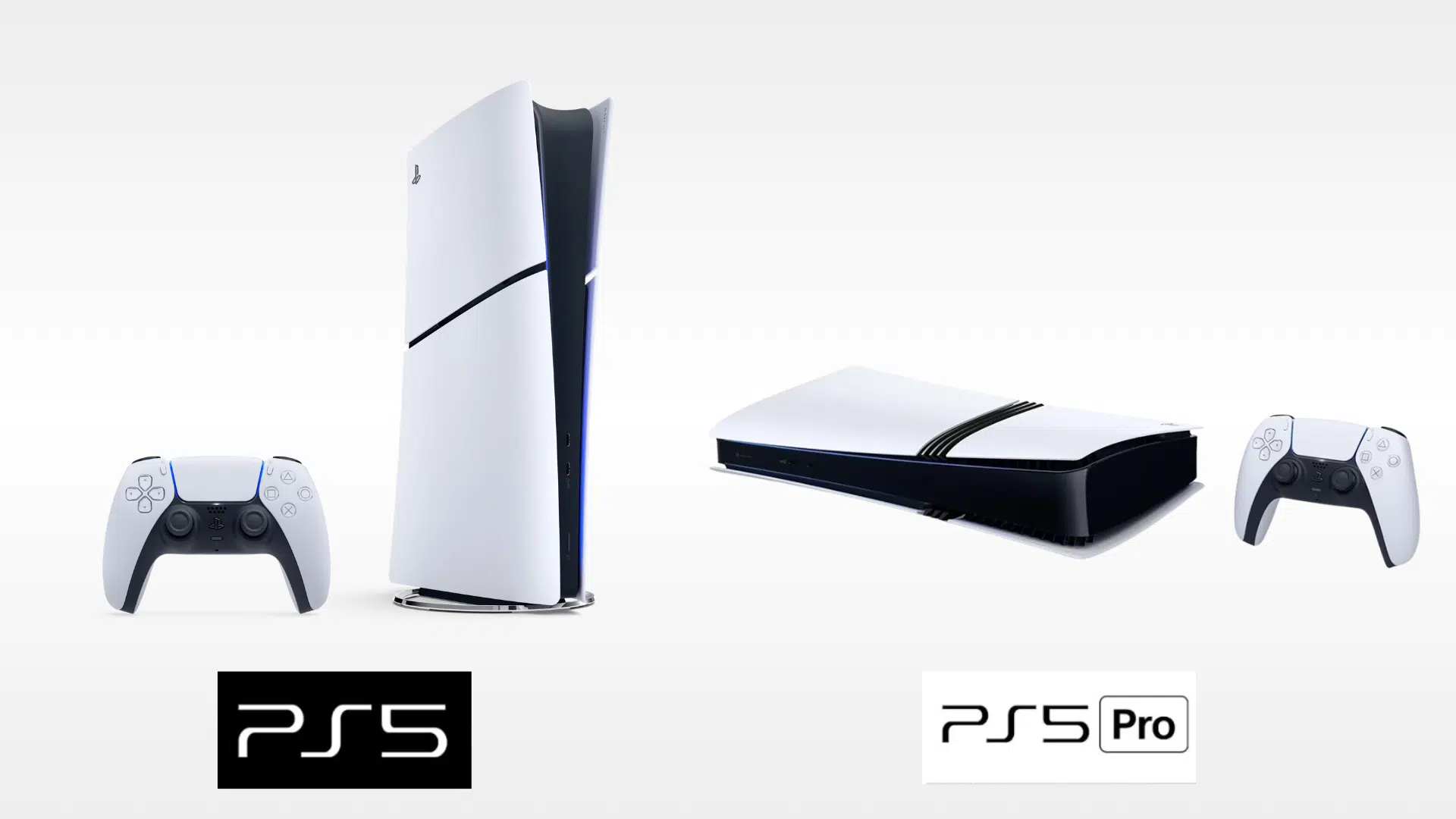
The PlayStation 5 and PS5 Pro share the same core design, but differ in the power they deliver. The standard PS5 focuses on strong, balanced performance for most games.
The PS5 Pro is built to push higher frame rates and better graphics, especially in demanding titles. I see the Pro model as a step toward smoother gameplay and sharper visuals rather than a complete redesign.
It aims to improve how games look and run without significantly altering the overall experience.
For many players, the difference comes down to performance gains and how much those upgrades matter in daily gaming.
PS5 vs PS5 Pro: Quick Comparison Table
| Feature | PS5 (Standard) | PS5 Pro |
|---|---|---|
| Release Year | 2020 | 2024 |
| CPU | AMD Zen 2 | AMD Zen 2 (optimized) |
| GPU Power | ~10.28 TFLOPS | ~16–17 TFLOPS |
| RAM | 16 GB GDDR6 | 16 GB (higher bandwidth) |
| Storage | 825 GB / 1 TB SSD | 2 TB SSD |
| Ray Tracing | Supported | Improved ray tracing |
| Resolution Target | Up to 4K | Enhanced 4K / 8K support |
| Frame Rates | Up to 120 FPS | More stable, higher FPS |
| Upscaling Tech | Standard | AI upscaling (PSSR) |
| Disc Drive | Available | Optional add-on |
| Wi-Fi | Wi-Fi 6 | Wi-Fi 7 |
| Price | Lower | Higher |
PS5 vs PS5 Pro: Performance and Features Compared

This section breaks down how both consoles differ in real use, focusing on performance, design, and long-term value for gamers.
1. Hardware Comparison
The internal hardware plays a key role in performance, affecting how smoothly games run and how well each system handles advanced graphics.
CPU and Processing
Both consoles use AMD Zen 2 architecture with a similar core design. The PS5 Pro brings small efficiency improvements, but CPU gains remain limited overall.
GPU Power
The PS5 Pro features a more powerful GPU with higher compute performance. This upgrade improves rendering quality and allows better performance in visually demanding games.
Memory and Bandwidth
Both systems have 16GB RAM, but the PS5 Pro offers higher bandwidth. This helps move data faster and improves stability during heavy gameplay scenarios.
Storage Capacity
The PS5 Pro offers more built-in storage than the standard model. This reduces the need to delete games frequently as file sizes continue to increase.
2. Gaming Performance
Performance differences become clearer during actual gameplay, especially in newer titles that demand more power and consistent system output.
Frame Rate Stability
The PS5 supports high frame rates, but the Pro version maintains smoother output. This reduces drops during fast movement and complex game scenes.
Load Times
Both consoles use fast SSD storage, so loading speeds remain very close. In most cases, players will not notice a meaningful difference here.
Game Optimization
Only games designed for the PS5 Pro show full benefits. Standard titles often run similarly, limiting the performance gap in many situations.
3. Graphics Features
Graphics upgrades are a major focus of the PS5 Pro, especially for users who play on large screens or prefer higher visual quality.
Ray Tracing
Both consoles support ray tracing, but the Pro model handles it more efficiently. This results in more stable lighting effects and fewer performance drops.
AI Upscaling
The PS5 Pro uses AI-based upscaling to improve image clarity. This allows games to look sharper without placing extra strain on system performance.
Resolution Output
The PS5 targets strong 4K performance, while the Pro version further enhances clarity. This becomes more noticeable on higher-end displays and larger screens.
4. Design and Build Differences
The external design remains similar, but internal improvements improve performance and long-term usability during extended gaming sessions.
Console Size and Shape
The PS5 Pro follows a similar design style with small refinements. It maintains a familiar look while improving structure and overall build consistency.
Cooling System
Improved cooling allows the Pro model to sustain performance longer. This helps prevent overheating and keeps gameplay stable during extended use.
5. Connectivity and Future-Proofing
Connectivity improvements help determine how well each console handles online gaming and adapts to future updates and hardware demands.
Wi-Fi and Networking
The PS5 Pro supports newer wireless standards for faster speeds. This improves download times and helps maintain a more stable online gaming experience.
Future Compatibility
The added performance headroom makes the Pro version more future-ready. It is better suited to handle upcoming games and advanced graphical updates.
6. Gaming Experience
The overall gaming experience depends on how smoothly the console runs games and how consistently it maintains performance across different conditions.
Visual Clarity
The PS5 Pro delivers sharper visuals with improved detail. This is more noticeable on high-resolution displays and in games with complex environments.
Consistency in Gameplay
Smoother performance with fewer drops improves the overall feel. This creates a more stable and responsive experience during fast-paced gameplay moments.
VR and Advanced Gaming
The additional power supports more demanding features, such as VR. It allows better performance in advanced gaming setups that require higher system output.
7. Price and Value Comparison
Price plays an important role when choosing between the two consoles, especially when balancing performance improvements against overall cost and long-term value. As of 2026, the PS5 starts at $599–$649, while the PS5 Pro is priced at $899 in the U.S.
Cost Difference
The PS5 Pro is priced higher. This reflects its stronger hardware and improved performance capabilities across multiple areas.
Value for Casual vs Advanced Users
Casual players may find the standard PS5 sufficient. The Pro version offers better value for users who prioritize performance and visual quality.
Long-Term Investment
The PS5 Pro is more future-ready due to its added power. This makes it a stronger long-term option for players planning to keep their console longer.
Should You Upgrade to PS5 Pro?
Upgrading to the PS5 Pro depends on how much you value performance improvements in real gameplay.
I would consider it a strong upgrade if you use a 4K display or want more stable frame rates in newer titles. The added GPU power makes a visible difference in demanding games.
That said, the standard PS5 still handles most games very well. If your current experience feels smooth and you are not pushing high-end settings, the upgrade may not feel necessary right now.
For long-term use, though, the PS5 Pro offers better headroom for future releases and evolving graphics demands.
Final Verdict: Which is More Powerful?
The difference between the PS5 and PS5 Pro comes down to how much performance you actually use.
The Pro model pushes higher limits, but those gains are most evident in demanding games and on better displays. In many everyday cases, the standard PS5 still holds up well.
I think the real decision is about priorities, not just power. If your setup can take advantage of the extra performance, the upgrade has value.
If not, the base model remains a strong choice. Take a moment to match your console to your gaming setup, then decide which one fits best.
Frequently Asked Questions
Do PS5 Games Need Updates to Use PS5 Pro Features?
Yes, games need specific optimization to fully use the extra power of the PS5 Pro. Without updates, performance gains are limited.
Will PS5 Pro Improve Older Games Automatically?
Some improvements, such as stability and minor visual upgrades, may occur, but major gains depend on developer support.
Is Storage Expansion Still Needed on PS5 Pro?
Even with 2TB of storage, large game sizes may still require additional SSD storage over time.