


Most households have no idea how much energy they use at any given moment. The lights stay on in empty rooms. The thermostat runs all day, whether anyone is home or not.
Smart home energy management fixes that not by asking people to change their habits, but by automating the decisions that lead to energy waste in the first place.
In 2026, rising electricity costs and growing awareness around energy use have pushed more homeowners toward these systems.
This blog breaks down exactly what smart home energy management is, how it works, and what it can realistically do for a household that installs one.
What is Smart Home Energy Management?
Smart home energy management is the use of connected devices and automated systems to monitor, control, and reduce the amount of energy a home uses without requiring constant manual input from the people living in it.
At its core, a Home Energy Management System, commonly called a HEMS, connects to the energy-using devices throughout a home.
Thermostats, lighting, appliances, solar panels, and battery storage. It collects data from all of them in real time, identifies where energy is being wasted, and automatically adjusts based on schedules, occupancy, and energy pricing.
The technology has moved well beyond standalone gadgets.
A modern smart energy management solution ties all those individual devices into a single, coordinated system that communicates across the home rather than operating each device in isolation.
The result is a home that uses energy only when needed and stops using it when it is not.
Key Components of a Smart Energy Management Solution
A complete smart home energy management setup typically includes several connected components working together.
1. Smart Thermostat: The most widely adopted entry point. Devices like Google Nest and Ecobee learn household schedules and automatically adjust heating and cooling.
According to the US Department of Energy, a properly programmed smart thermostat saves between 10 and 12 percent on heating costs and up to 15 percent on cooling costs annually.
2. Smart Lighting: Connected bulbs and switches that dim, turn off, or adjust color temperature automatically based on occupancy sensors or time schedules. LED smart lighting uses up to 75 percent less energy than traditional incandescent bulbs.
3. Smart Plugs and Power Strips: These devices cut power to electronics in standby mode, eliminating the so-called phantom load. The US Energy Information Administration estimates that standby power accounts for approximately 10 percent of residential electricity use.
4. Home Energy Monitor: A device installed at the electrical panel that tracks real-time consumption across the entire home, not just individual devices. This gives a full picture of where energy is actually going.
5. Solar and Battery Integration: Smart energy management solutions increasingly integrate with rooftop solar panels and home battery systems, optimizing when energy is generated, stored, and drawn from the grid based on pricing and availability.
How a Smart Home Energy Management System Functions Day to Day

Understanding the technology is one thing. Seeing how it actually runs inside a home is another. Here is a step-by-step look at how the system works from the moment it is installed.
Step 1: The System Connects to Every Energy-Using Device in the Home
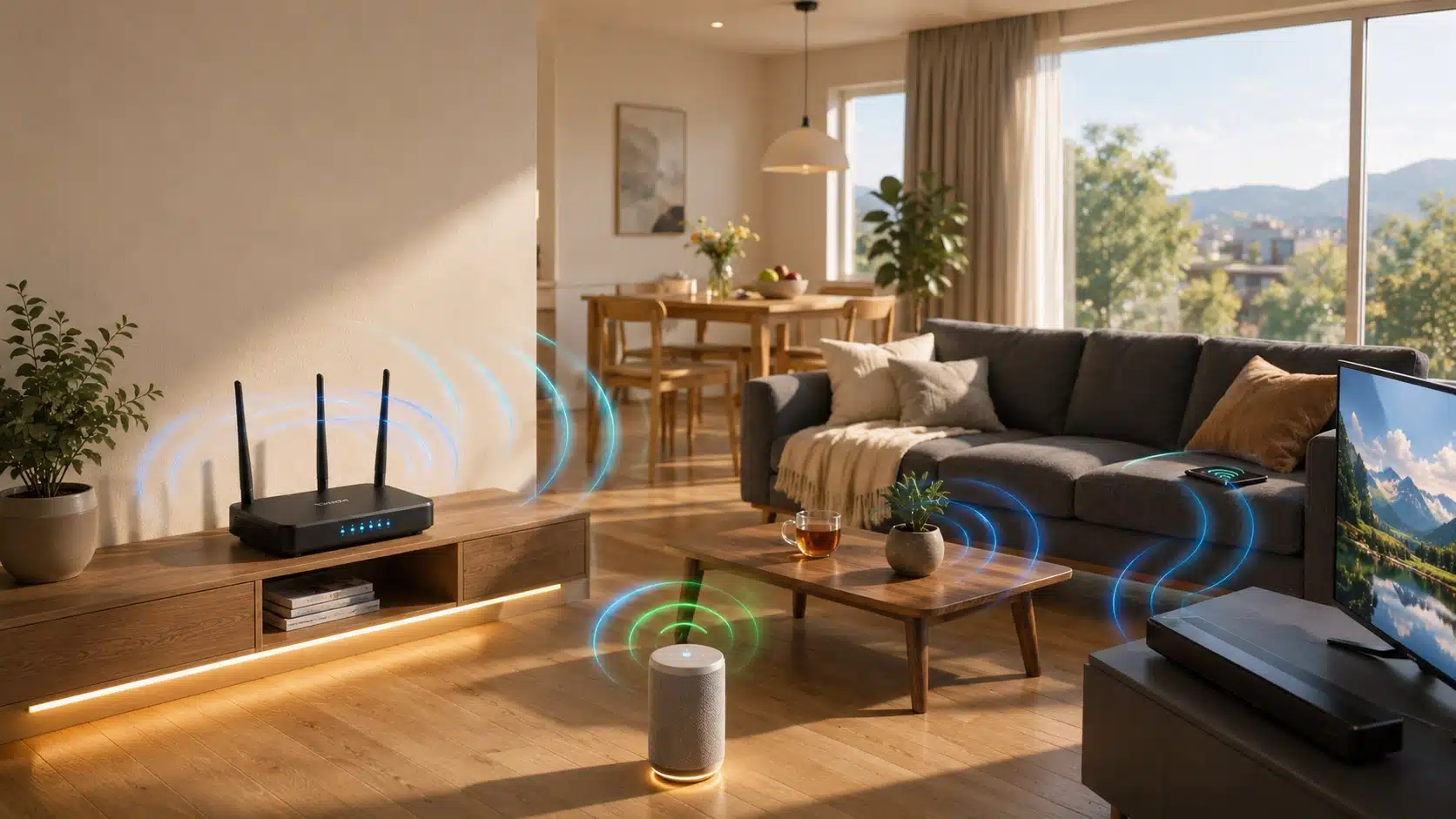
The first thing a smart energy management system does is establish connections across the home. It links up with the thermostat, lighting, appliances, smart plugs, and any solar or battery storage already installed.
This connection occurs via Wi-Fi, Zigbee, or Z-Wave protocols, depending on the devices used.
Once everything is linked to a central hub or app, the system has full visibility over every device drawing power in the home.
Step 2: It Starts Collecting Real-Time Energy Data
With all devices connected, the system begins pulling live data from across the home. It tracks exactly how much power each device is drawing, at what time, and for how long.
A whole-home energy monitor installed at the electrical panel continuously feeds this data back. This real-time visibility is what separates a smart energy management system from a basic smart home setup.
Every watt is accounted for, not just the devices someone manually checks.
Step 3: It Learns the Home’s Patterns and Occupancy Habits
Over the first few days and weeks, the system builds a detailed picture of how the home runs. It tracks when rooms are occupied, when appliances run, and when energy use peaks throughout the day.
Occupancy sensors and thermostat data feed into this learning process.
The system stops reacting and starts anticipating: it knows when the house typically empties in the morning and when people return in the evening, and it plans around those times automatically.
Step 4: It Automates Decisions to Cut Waste
Once the learning phase is complete, the system starts acting on what it knows. The thermostat dials back when the house is empty. Lights switch off in rooms that have been vacant for a set period.
High-draw appliances, such as washing machines and dishwashers, are scheduled to run during off-peak pricing hours overnight.
Smart plugs cut standby power to electronics that are not in use. Every one of these actions happens without anyone needing to press a button.
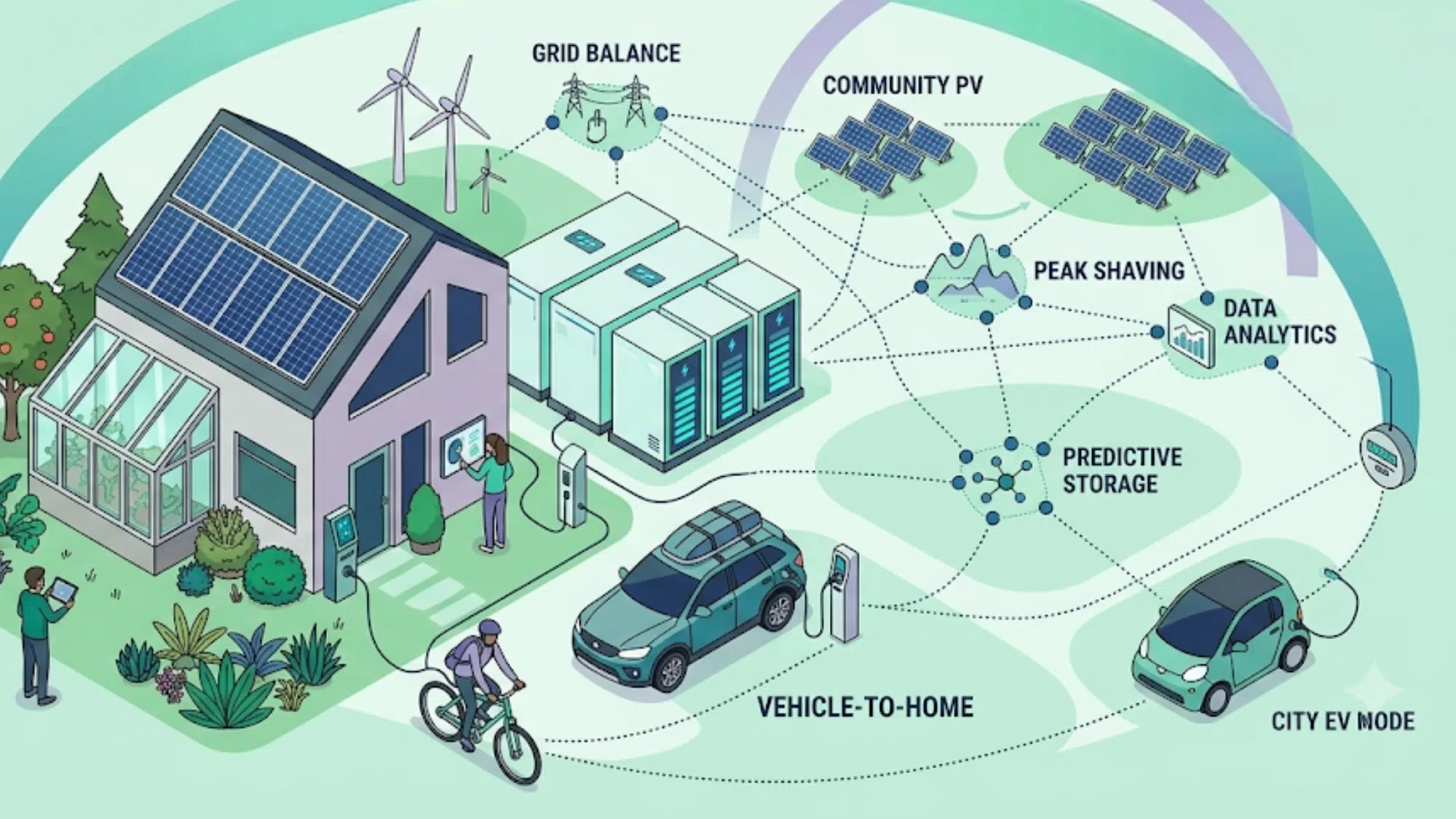
Step 5: It Integrates With Solar and Battery Storage
For homes with solar panels or battery storage, the system adds another layer of optimization.
It monitors energy generation from the solar panels in real time and decides whether to power the home directly, charge the battery, or export energy to the grid, based on current pricing and household demand.
When electricity prices spike, the system draws from stored battery power instead of the grid, automatically reducing costs without any manual input.
Step 6: It Reports Back and Keeps Improving
The system continuously reports energy use back to the homeowner through a dedicated app or dashboard. Weekly summaries show where energy was used, where savings were made, and what the system adjusted automatically.
Over time, the data becomes more precise and the system’s decisions more accurate.
Some platforms flag unusual energy spikes, a sign that an appliance may be malfunctioning or drawing more power than expected, giving homeowners a level of visibility they never had before.
Key Components of a Smart Energy Management Solution
A complete smart home energy management setup typically includes several connected components working together.
1. Smart Thermostat: The most widely adopted entry point. Devices like Google Nest and Ecobee learn household schedules and automatically adjust heating and cooling.
According to the US Department of Energy, a properly programmed smart thermostat saves between 10 and 12 percent on heating costs and up to 15 percent on cooling costs annually.
2. Smart Lighting: Connected bulbs and switches that dim, turn off, or adjust color temperature automatically based on occupancy sensors or time schedules. LED smart lighting uses up to 75 percent less energy than traditional incandescent bulbs.
3. Smart Plugs and Power Strips: These devices cut power to electronics in standby mode, eliminating the so-called phantom load. The US Energy Information Administration estimates that standby power accounts for approximately 10 percent of residential electricity use.
4. Home Energy Monitor: A device installed at the electrical panel that tracks real-time consumption across the entire home, not just individual devices. This gives a full picture of where energy is actually going.
5. Solar and Battery Integration: Smart energy management solutions increasingly integrate with rooftop solar panels and home battery systems, optimizing when energy is generated, stored, and drawn from the grid based on pricing and availability.
Smart Home Energy Management vs Standard Home Automation
Standard home automation focuses on convenience, allowing you to control lights, locks, cameras, and entertainment systems from a phone or voice assistant.
It makes life easier. It does not necessarily make a home more energy efficient.
Smart home energy management is a subset of home automation with a specific focus on energy. Every decision the system makes is oriented toward reducing waste and lowering costs. Convenience is a byproduct. Efficiency is the goal.
The two systems often share the same devices and platforms; a smart thermostat serves both purposes simultaneously.
But a home that uses automation solely for convenience, without built-in energy management, leaves real savings on the table.
In 2026, the most effective setups combine both. Convenience and efficiency are integrated into the same connected system rather than being treated as separate projects.
Final Thoughts
A home that manages its own energy use is not a concept for the future. The devices exist. The platforms work. The savings are documented.
Smart home energy management does not ask anyone to use less energy or change their daily routine.
It just stops the waste that was already happening, the empty rooms running at full temperature, the electronics drawing power through the night, the appliances running at peak-pricing hours when they did not need to.
Start with one device. See what the data shows. The next step usually becomes obvious from there.
Frequently Asked Questions
Does Smart Home Energy Management Work without Solar Panels?
Yes. Solar panels add significant value but are not required. A smart thermostat, whole-home energy monitor, and smart lighting setup deliver measurable savings without any solar integration.
Is Smart Home Energy Management Worth It in 2026?
Yes, particularly given that electricity costs are continuing to rise across most US states. The payback period for a basic smart thermostat and energy-monitoring setup is typically under two years, depending on home size and local electricity rates.
How Much Can Smart Home Energy Management Save?
Typical savings range from 10 to 25 percent on electricity costs, depending on the home’s size and the components installed.