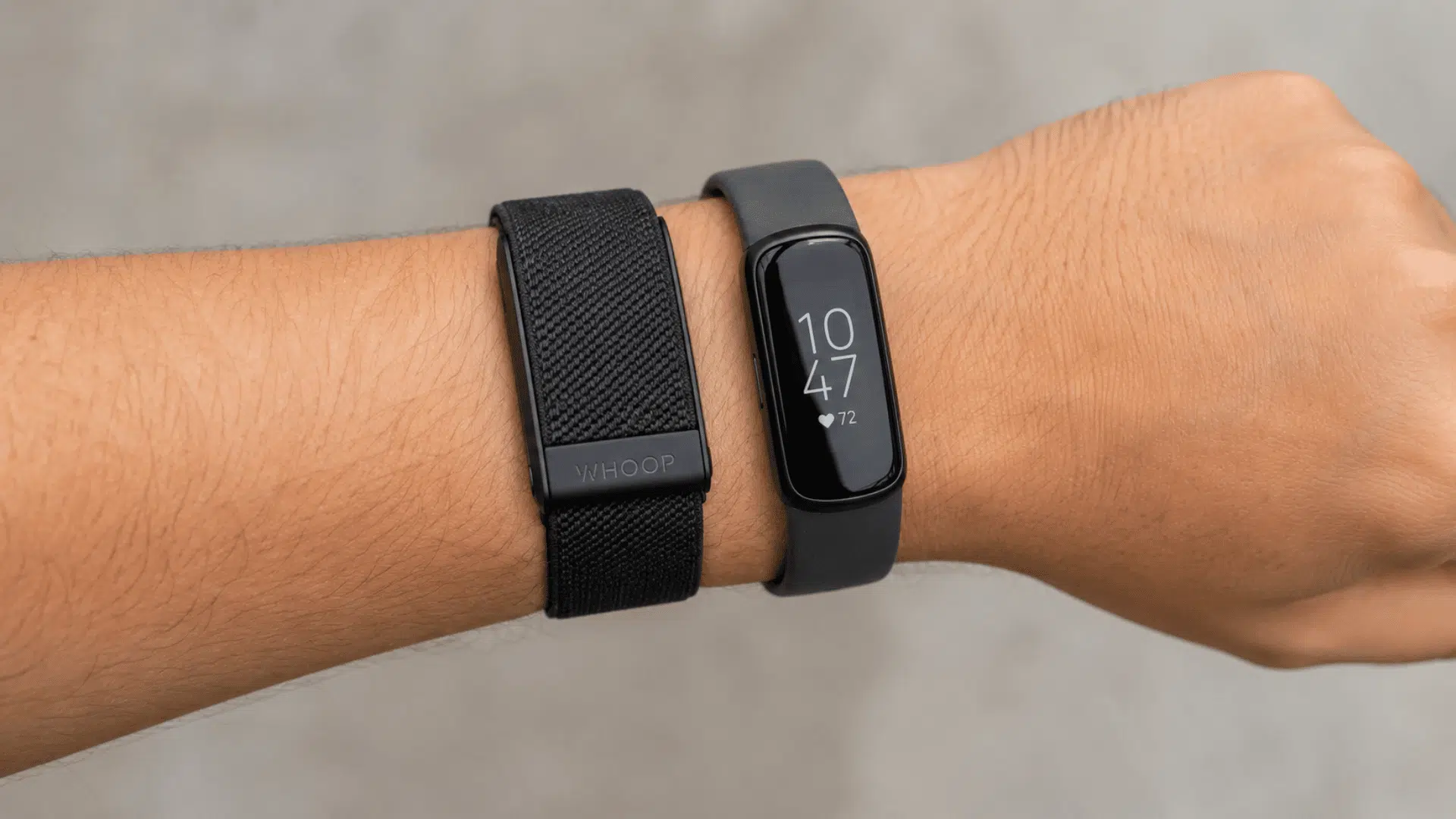



You’ve probably seen them everywhere, from the smartwatch on your coworker’s wrist to the fitness band at the gym.
But what is a wearable, exactly? The answer is bigger than most people expect.
These small, body-worn devices are quietly changing how we track health, stay safe, and experience the world around us. And we’re still in the early stages of what they can do.
What Is a Wearable?
A wearable is any electronic device you wear on your body. It could be a smartwatch on your wrist, earbuds in your ears, or even smart clothing.
These devices have tiny computers built in that track data, send notifications, or perform other useful tasks, so you don’t need to hold anything.
They’re designed to be easy to use and work quietly in the background of your everyday life.
How Does Wearable Technology Work?

Most wearables run on a battery and contain a small processor, sensors, and a wireless connection.
The sensors collect real-time data from your body or your surroundings, such as your heart rate or step count.
That data gets processed and sent to your phone or the cloud. From there, you can view insights, get alerts, or sync the information with other apps.
It all happens automatically, in the background, as you go about your day.
Types of Wearable Technology

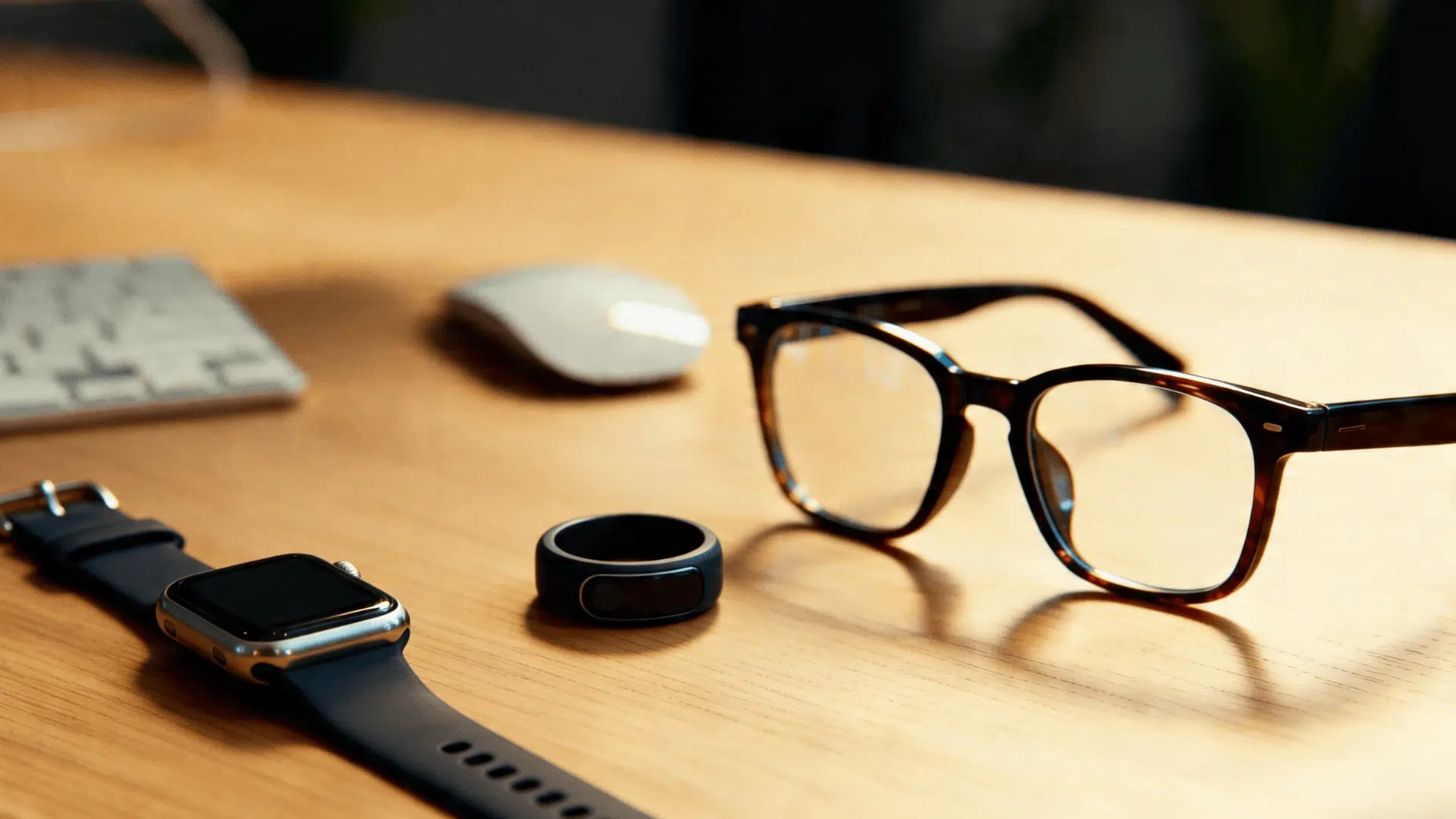
Wearables come in more shapes and sizes than most people realize. Here are the most common types you’ll encounter today.
1. Smartwatches
The most popular wearable on the market. Devices like the Apple Watch and Samsung Galaxy Watch track your health, display notifications, and even let you make calls from your wrist.
Their diversity makes them the go-to choice for anyone stepping into the wearable space for the first time.
2. Fitness Trackers
Built for health-focused users. Brands like Fitbit count your steps, monitor your sleep, and track your heart rate throughout the day.
They’re simpler and more affordable than smartwatches, making them a great entry point for people focused purely on wellness.
3. Smart Rings
A compact alternative to smartwatches. Smart rings sit on your finger and quietly collect biometric data, such as heart rate, sleep patterns, and activity levels.
They are perfect for users who prefer health tracking without the need to wear anything on their wrist, offering a more comfortable and unobtrusive experience.
4. VR/AR Headsets
Designed for immersive experiences. Devices like the Meta Quest and Microsoft HoloLens transport you into virtual worlds or overlay digital information onto the real world.
They’re widely used in gaming, education, training, and enterprise settings, showcasing their versatility and importance in various fields.
5. Smart Clothing and E-Textiles
Technology woven directly into fabric. These garments use built-in sensors to monitor heart rate, breathing, and body temperature without any additional devices.
Athletes and medical patients are some of the most frequent users of this exciting new category.
6. Wearable Medical Devices
Focused on health diagnostics. ECG monitors and glucose patches give patients and doctors real-time data without frequent clinic visits.
These devices are increasingly being integrated into mainstream healthcare and remote patient monitoring programs.
7. Smart Glasses
Hands-free information at a glance. Smart glasses display AR overlays and let you interact with digital content without ever reaching for your phone.
Industries like logistics, surgery, and field service are finding strong practical use cases for them.
8. Safety Wearables
Personal protection you can wear anywhere. Often disguised as jewelry, these devices let you send emergency alerts or trigger an alarm with the press of a button.
They’re especially popular among solo travelers, elderly users, and people with personal safety concerns.
Popular Wearable Devices: From Smartwatches to Smart Socks
Wearables come in all shapes and sizes, and the products hitting shelves today prove just how far the technology has come. Here’s a look at some standout examples across every category.
| WEARABLE | TYPE | BEST FOR |
|---|---|---|
| Apple Watch Series 10 | Smartwatch | All-around health + notifications |
| Fitbit Charge 6 | Fitness Tracker | Step counting, sleep, and budget-friendly |
| Oura Ring Gen 3 | Smart Ring | Discreet, sleep & recovery tracking |
| Meta Quest 3 | VR Headset | Gaming & immersive experiences |
| Microsoft HoloLens 2 | AR Glasses | Enterprise & industrial use |
| Siren Sock | Smart Clothing | Diabetic foot monitoring |
What Are Wearables Used For?

Wearables have moved well beyond fitness tracking. Today, they serve important roles across healthcare, sports, entertainment, and the workplace.
- Health and Fitness: The most common use case by far. Wearables track steps, heart rate, sleep quality, and calories to help everyday users stay on top of their wellbeing.
- Healthcare and Medical: Doctors and patients use wearables for remote monitoring and chronic disease management, reducing the need for constant in-person visits.
- Sports Performance: Elite athletes use smart compression shirts with GPS and biomedical sensors to measure performance in real time and fine-tune their training.
- Gaming and Entertainment: VR headsets and haptic devices create fully immersive experiences, putting users inside games, simulations, and interactive digital environments.
- Workplace and Safety: Smart helmets and location-tracking wearables help companies monitor worker safety, improve response times, and reduce on-site accidents.
- Insurance: Life insurers issue wearables to policyholders to track real health data, enabling them to price premiums more accurately than relying solely on broad metrics like age.
Benefits of Wearable Technology
Wearables do more than track data. They actively improve how people manage their health, work, and daily safety.
- Real-Time Data: Wearables continuously monitor your body and environment, giving you instant insights without any extra effort.
- Preventive Healthcare: Early detection of irregular heart rate, poor sleep, or inactivity helps users and doctors get ahead of potential health issues.
- Remote Patient Care: Doctors can monitor patients remotely, reducing hospital visits and improving outcomes for patients with chronic conditions.
- Productivity and Safety: Workplace wearables track location, flag hazards, and keep teams connected, making jobs safer and more efficient.
- Personal Safety and Communication: From emergency alerts to hands-free calls, wearables keep users connected and protected throughout their day.
Challenges and Limitations of Wearables
Wearables come with real drawbacks worth knowing about. These are the key challenges the industry is still working to solve.
- Data Privacy: Wearables collect deeply personal health data, raising serious concerns about who owns it, how it’s stored, and who can access it.
- Cybersecurity Risks: Connected devices are vulnerable to hacking and data breaches, making security a growing concern for both consumers and manufacturers.
- Battery Life: Most wearables need frequent charging, which interrupts continuous monitoring and remains one of the biggest complaints among everyday users.
- Sensor Accuracy: Readings for heart rate, sleep, and other metrics aren’t always reliable, which can be a problem when users make health decisions based on the data.
- Cost and Accessibility: Premium wearables remain expensive, keeping the most advanced health-tracking features out of reach for a large portion of the global population.
The Future of Wearable Technology
Wearables are getting smarter fast. AI is being built directly into devices, enabling real-time health diagnostics that once required a doctor’s visit.
E-skin patches that stick to your body like a bandage are already in development. As the IoT ecosystem grows, wearables will connect more seamlessly with your home, car, and workplace.
The industry is projected to reach $111 billion by 2027, signaling that this technology is just getting started.
Wrapping It Up
So, what is a wearable? It’s more than a gadget on your wrist. It’s a shift in how technology fits into daily life, sitting closer to us than any device before it.
Wearables will become smarter and more capable, from tracking your heart rate to ensuring safety.
If you haven’t looked at what is available yet, this is the perfect time to get started and take that important first step forward!
Frequently Asked Questions(FAQ)
What Is the Difference Between a Wearable and a Smartwatch?
A smartwatch is just one type of wearable. The broader category also includes fitness trackers, smart rings, medical patches, VR headsets, and smart clothing.
Can Wearables Actually Monitor Your Health Accurately?
Most wearables are reliable for general wellness tracking, but aren’t medical-grade tools. Always consult a doctor before making clinical decisions based on device readings.
How Do Wearables Connect to Your Phone?
Most wearables use Bluetooth to sync data with a companion app. Some higher-end devices also support Wi-Fi or cellular for standalone use.
Are Wearables Safe to Use Every Day?
For most users, daily use is completely safe. Those with pacemakers or implanted medical devices should check with their doctor first.