


Imagine spending millions on a spacecraft, only to watch it vanish into thin air.
That’s exactly what happened to NASA’s Mars Climate Orbiter in 1999. It had traveled nearly 10 months through space. It was just moments away from reaching Mars orbit. And then, without warning, it was gone.
No explosion. No dramatic malfunction. Just a quiet, costly disappearance.
So what actually went wrong? The answer might be simpler and stranger than most people expect. Read on to find out what brought down one of NASA’s most ambitious missions.
What was the Mars Climate Orbiter Mission?
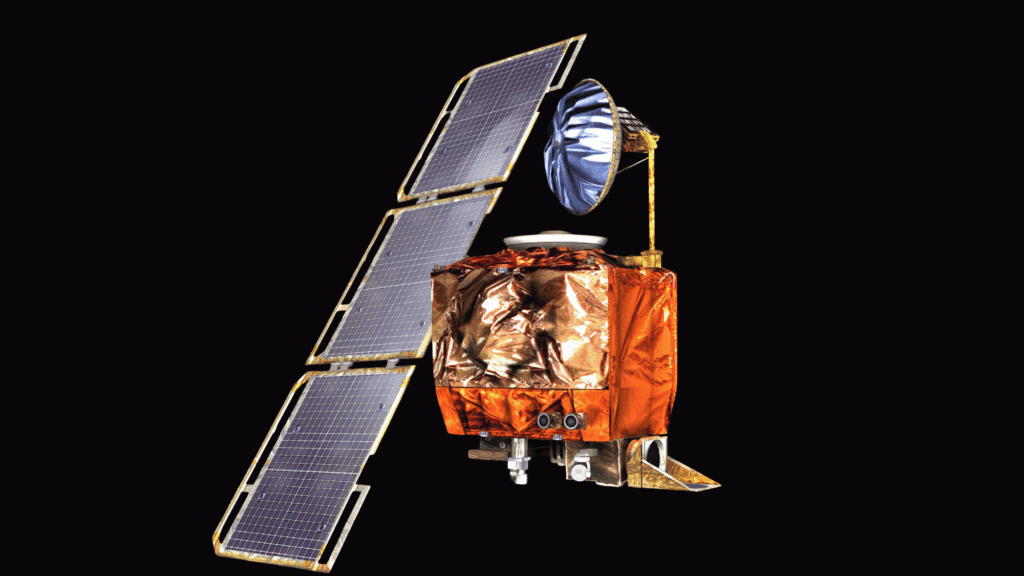
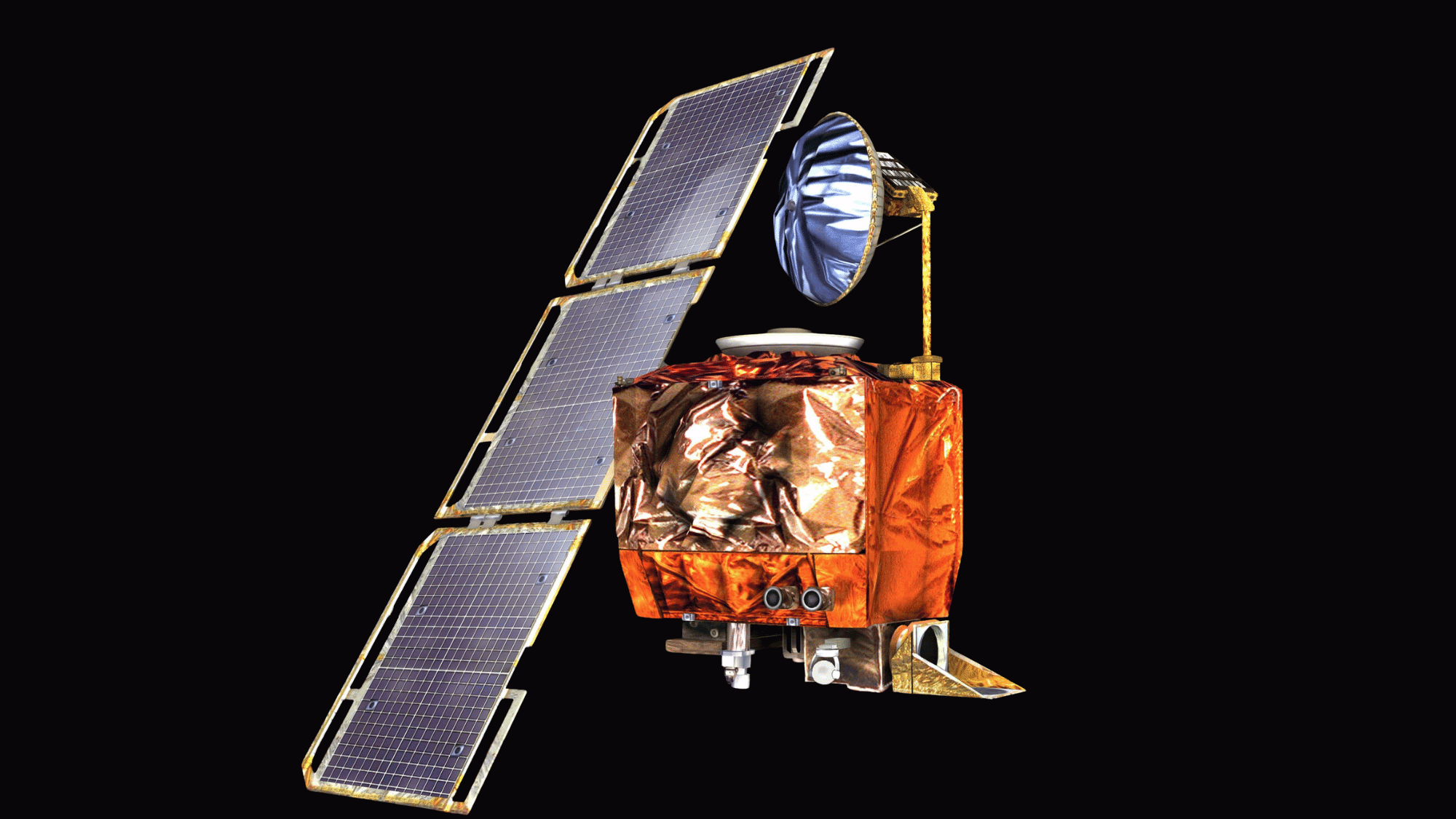
The Mars Climate Orbiter was a NASA spacecraft launched on December 11, 1998. Its main job was to study the Martian climate, atmosphere, and surface changes over time. Think of it as a weather satellite but for Mars.
The mission had two main goals:
- It would act as a communication link for the Mars Polar Lander.
- It would collect data on dust storms, water vapor, and carbon dioxide on Mars.
NASA had high hopes for this mission. It was part of a bigger plan to understand whether Mars could ever support life. A bold goal and an expensive one.
The Metric Conversion Error That Caused the Failure
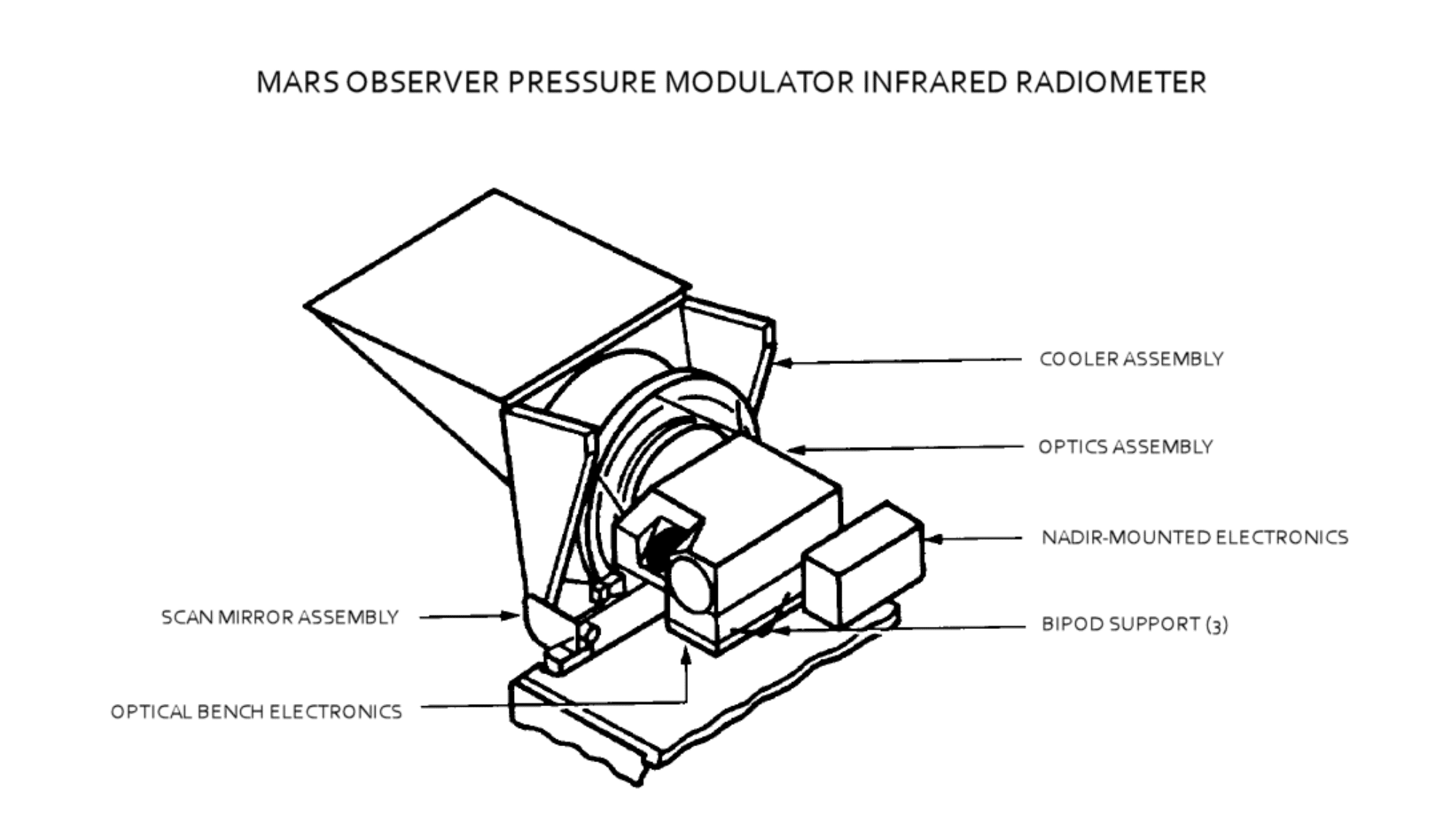
Image Source: Wikipedia
One simple unit mismatch brought down a $327 million spacecraft. It’s a mistake that still shocks engineers today.
Metric vs Imperial Units Explained
Two teams were working on the Mars Climate Orbiter. NASA’s navigation team used the metric system, specifically SI units like newtons and meters.
But Lockheed Martin’s ground software reported thruster data in US customary units, like pound-force seconds.
Neither team caught the mismatch in time. Two different measurement systems were feeding into the same mission, and nobody flagged it.
Where the Error Happened
The problem started in the thruster impulse calculations. Lockheed Martin’s software sent force data in pound-force seconds. NASA’s navigation software read that same data as newton-seconds.
That mismatch caused the navigation software to misinterpret the spacecraft’s position. Over time, small errors stacked up. The trajectory shifted without anyone realizing it.
The Critical Conversion Problem
One pound-force second equals roughly 4.45 newton-seconds. That gap sounds small.
But, applied repeatedly over months of space travel, it pushed the spacecraft completely off course. The trajectory calculations grew more inaccurate with every passing day.
By the time the Orbiter reached Mars, it was flying at the wrong angle entirely.
How the Unit Conversion Error Changed the Spacecraft’s Trajectory
A spacecraft’s path through space depends on extremely precise calculations.
Even a tiny error can send it wildly off course over time. With the Mars Climate Orbiter, the unit mismatch meant the thrusters were firing with the wrong force values loaded into the system.
NASA’s navigation team was plotting the spacecraft’s path based on incorrect data, unaware of it.
Day after day, the Orbiter drifted further from its intended route. The errors kept building up over the 10-month flight.
By the time it approached Mars, the spacecraft was traveling at a far lower altitude than planned. Instead of entering orbit safely, it flew too close to the Martian atmosphere and broke apart.
Investigation Findings After the Mars Climate Orbiter Loss
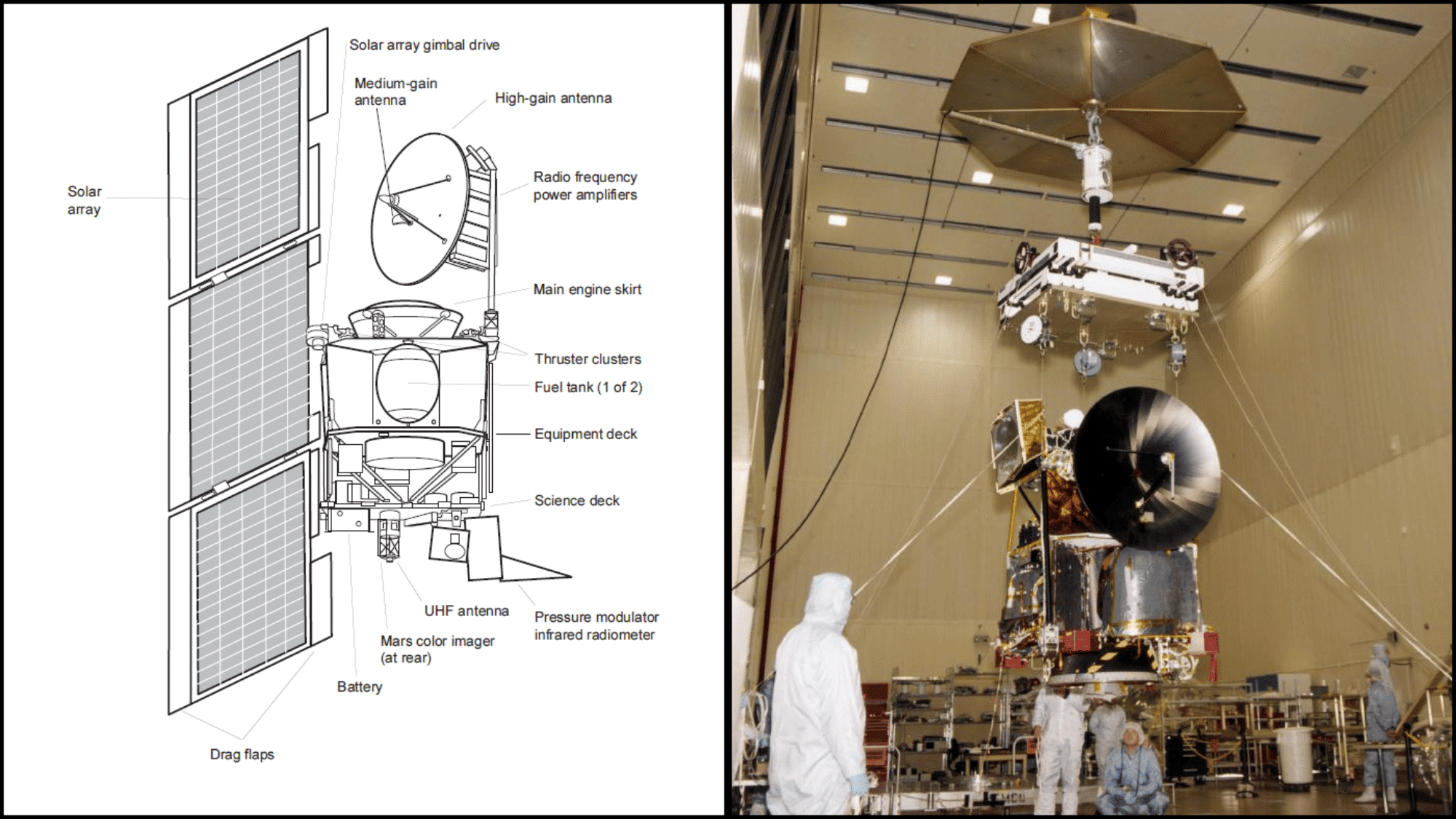
Image Source: Wikipedia
NASA launched a full investigation after the loss. The findings pointed to some serious gaps in the mission process.
- Software interface mismatch between NASA and Lockheed Martin: Lockheed Martin’s software outputs thruster data in pound-force seconds. NASA’s system read it as newton-seconds instead.
- Lack of end-to-end system verification: Nobody tested whether both teams’ software systems were speaking the same unit language before launch.
- Navigation errors went undetected for months: Small trajectory errors accumulated over the 10-month flight. No one caught the growing deviation in time.
- Insufficient cross-checks during navigation reviews: NASA’s navigation team flagged some anomalies earlier. Those warning signs were not properly acted upon.
- Overworked and understaffed navigation team: The team responsible for tracking the spacecraft’s path was operating with fewer resources than the mission required.
- Poor communication between project teams: NASA and Lockheed Martin were not sharing enough technical data. That gap allowed the unit error to slip through unnoticed.
- Absence of a clear unit standard requirement: No formal requirement existed that forced both teams to use the same measurement units throughout the mission.
Lessons Learned from the Mars Climate Orbiter Disaster
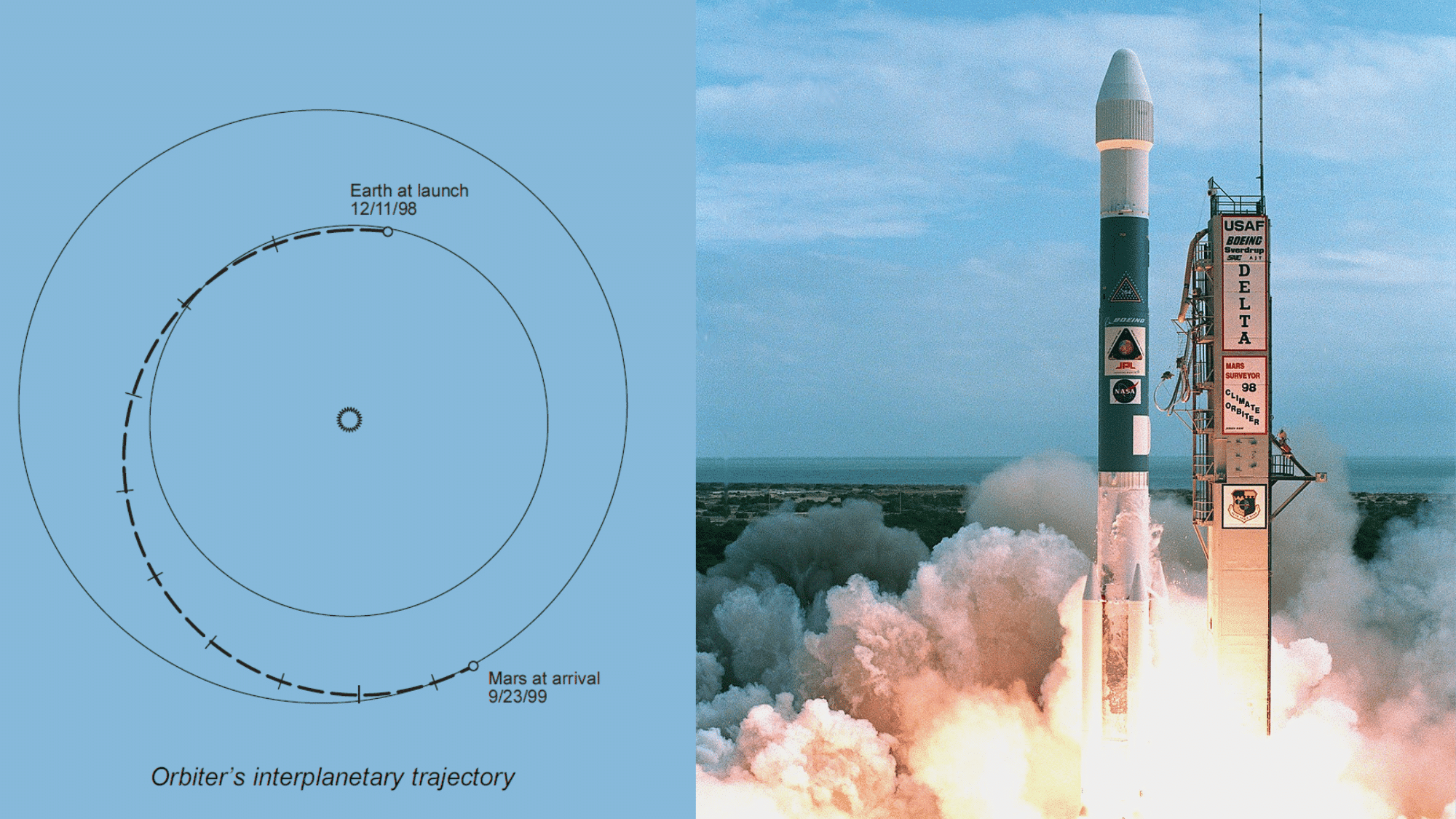
Image Source: Wikipedia
The loss of the Mars Climate Orbiter was painful. But it taught the space industry some truly important lessons.
1. Always enforce a single unit standard across all teams: Every team working on a mission must use the same measurement system. No exceptions, no assumptions.
2. End-to-end software testing is non-negotiable: All software systems must be tested together before launch. Catching interface mismatches early can save an entire mission.
3. Cross-team communication must be structured and regular: NASA and Lockheed Martin needed clearer communication channels. Regular technical reviews could have caught the error much sooner.
4. Navigation anomalies must be taken seriously: Warning signs appeared during the flight but were dismissed. Any unusual data reading deserves immediate attention and investigation.
5. Adequate staffing levels matter on complex missions: The navigation team was stretched too thin. Understaffing on critical tasks increases the risk of costly human errors.
6. Independent verification teams add a safety net: Having a separate team review calculations and software outputs can catch mistakes that internal teams might overlook under pressure.
7. Documentation of unit standards must be mandatory: Every technical document shared between teams should clearly state which unit system is being used throughout the entire mission.
8. Small errors can have massive consequences in space: A difference of 4.45 newton-seconds sounds minor. But in space travel, small miscalculations grow into mission-ending disasters fast.
How the Failure Influenced Future NASA Missions
The Mars Climate Orbiter disaster left a mark on NASA that couldn’t be ignored.
After the loss, NASA made sweeping changes to how it planned and managed space missions. Strict unit standardization rules were put in place across all teams and contractors.
Software verification processes became far more thorough. Cross-team communication got a serious upgrade, too.
The disaster also changed how NASA approached risk management. Warning signs during a mission now receive immediate attention. Navigation anomalies are no longer brushed aside.
In many ways, the Orbiter’s failure made future missions safer and more reliable.
To Conclude
The Mars Climate Orbiter didn’t fail because of bad technology or a flawed spacecraft. It failed because of a simple unit mismatch that nobody caught in time.
That’s the real takeaway here. Big missions can fall apart over small oversights. Clear communication, proper verification, and shared standards aren’t optional; they’re critical.
NASA took those lessons seriously. Today’s space missions are built on stricter processes because of what went wrong.
Got thoughts on this? Drop them in the comments below. It’s always great to hear what others think about this fascinating piece of space history.