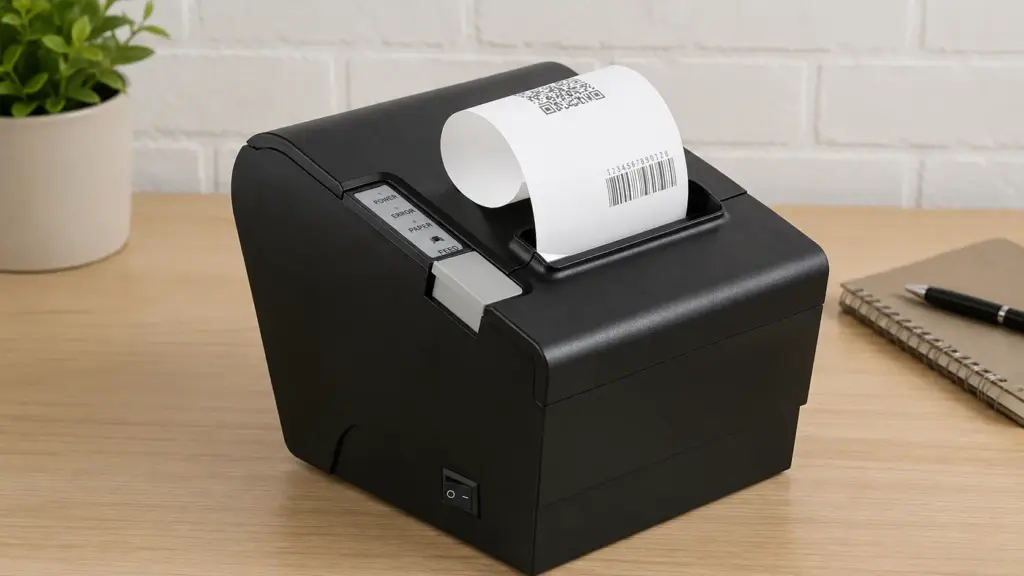
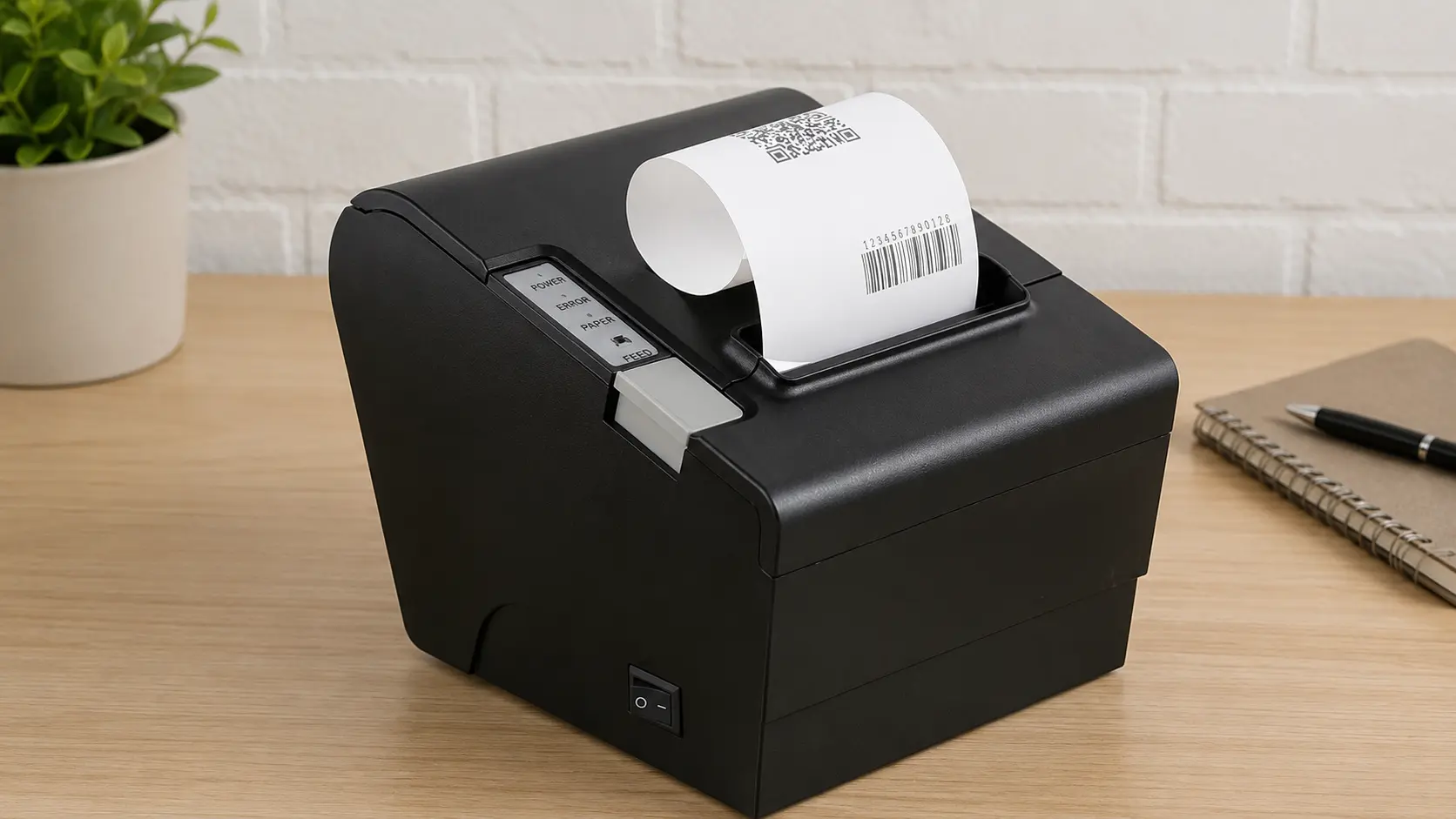



Receipts, shipping labels, and parking tickets all print instantly without an ink cartridge in sight. A thermal printer uses heat to create text, images, and barcodes on specially designed materials instead of relying on traditional ink.
These printers are widely used in retail, shipping, healthcare, and many other industries because they are fast, quiet, and require less maintenance than many traditional printers.
Understanding how thermal printers work, whether they need ink, and the difference between direct thermal and thermal transfer models can help you choose the right option for your needs.
What is a Thermal Printer?
A thermal printer is a printing device that uses heat to create text, images, or barcodes without spraying liquid ink or using traditional toner. Instead of sending ink droplets onto paper, it uses a thermal print head with tiny heating elements that create images through controlled heat.
Thermal printers work by activating heat-sensitive materials or transferring pigment from a ribbon onto a surface. This design allows them to operate with fewer moving parts compared with inkjet or laser printers.
Because they are compact, fast, and require less maintenance, thermal printers are commonly used for retail receipts, shipping labels, barcode printing, tickets and tags, and business identification labels.
Their simple printing method makes them a practical choice for tasks where speed and reliability matter more than color printing, much like getting a paper document onto your computer is really just a different kind of everyday printer task.
How Does Thermal Printing Work?
Thermal printing relies on heat-sensitive materials that change color when heated. Instead of applying ink to paper, the printer precisely controls where heat is applied to form letters, numbers, images, or barcodes.
- The material is prepared: Direct thermal paper contains a special coating with heat-sensitive dye that remains unchanged at normal temperatures.
- The print head generates heat: The thermal print head contains many tiny heating elements that turn on and off in specific patterns.
- Heat activates the printing surface: When heated areas reach the required temperature, the coating changes color and creates visible marks.
- The image forms: As the paper moves through the printer, the heated points combine to create complete text, graphics, or barcode patterns.
This four-step process happens in a fraction of a second per line, which is why thermal printers can produce receipts, labels, and barcodes almost instantly, even under continuous daily use, not unlike how a robot controller translates a planned command into action almost instantly on the hardware side.
Do Thermal Printers Use Ink?
No, most thermal printers do not use ink cartridges. Direct thermal printers create images by applying heat to specially coated paper, so they do not require ink, toner, or a ribbon.
This makes them useful for high-volume printing tasks such as receipts and shipping labels because businesses do not need to replace traditional ink supplies.
However, there is one important exception: thermal transfer printers. These models use a ribbon coated with wax, resin, or a wax-resin blend. Heat from the print head transfers the coating from the ribbon onto the label or printing material.
So, while thermal printers generally avoid liquid ink, some models do use a ribbon-based printing system to create longer-lasting prints, a distinction worth knowing if you’re weighing a thermal model against other practical gadgets worth adding to a home office.
Types of Thermal Printers
Thermal printers fall into several categories based on how they create printed images, ranging from simple heat-only technology to ribbon-based systems and even liquid-ink methods that still rely on heat to work.
1. Direct Thermal Printers
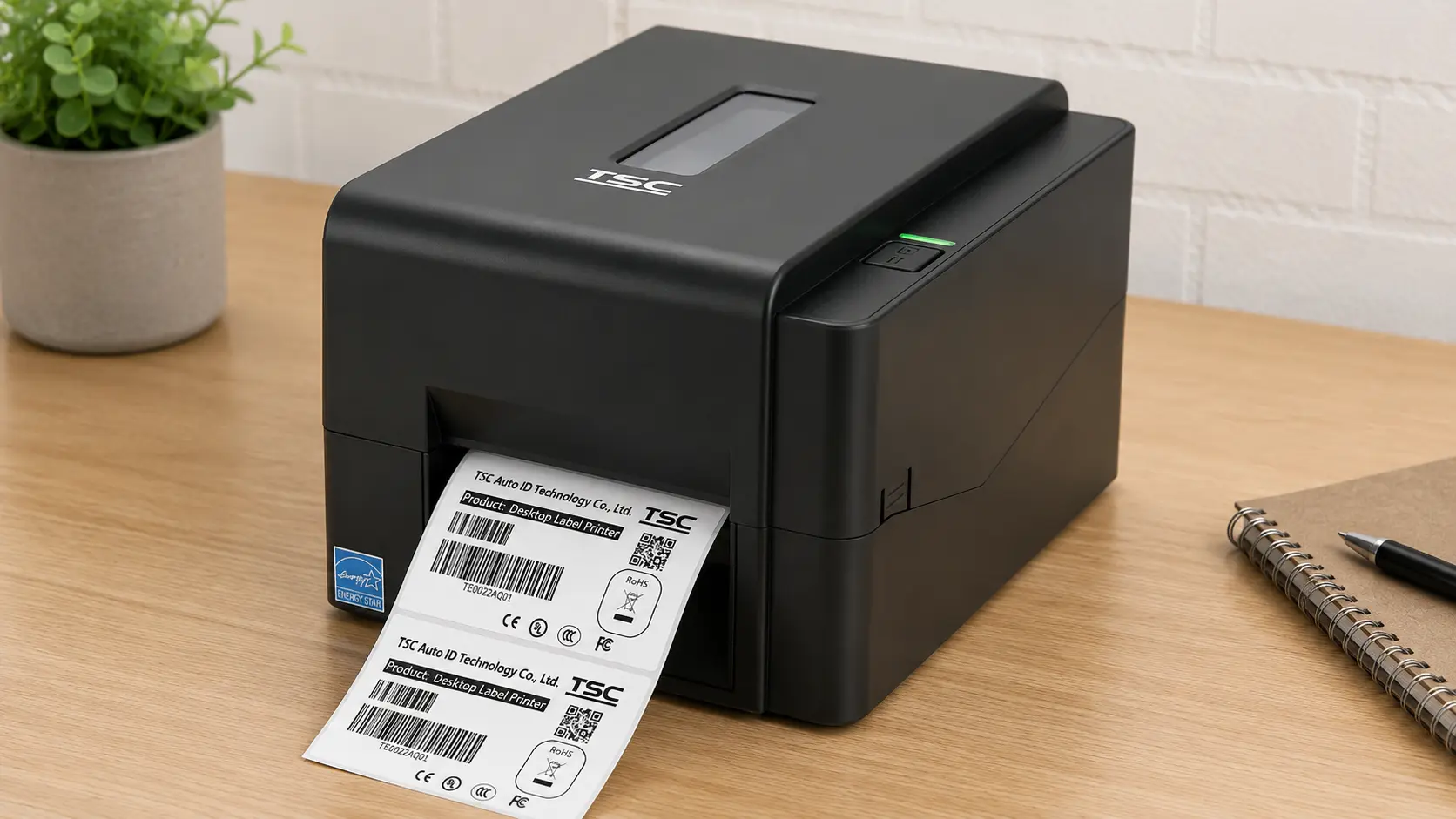
Direct thermal printers use heat-sensitive paper that changes color when exposed to heat, with no ink, toner, or ribbon involved. This keeps running costs low, making it the standard choice for receipts, as seen in models like the Epson TM-T88.
That coating has historically contained BPA or BPS; the Minnesota Pollution Control Agency’s overview covers safer alternatives.
Common uses:
- Retail receipts
- Shipping labels
- Parking and event tickets
2. Thermal Transfer Printers
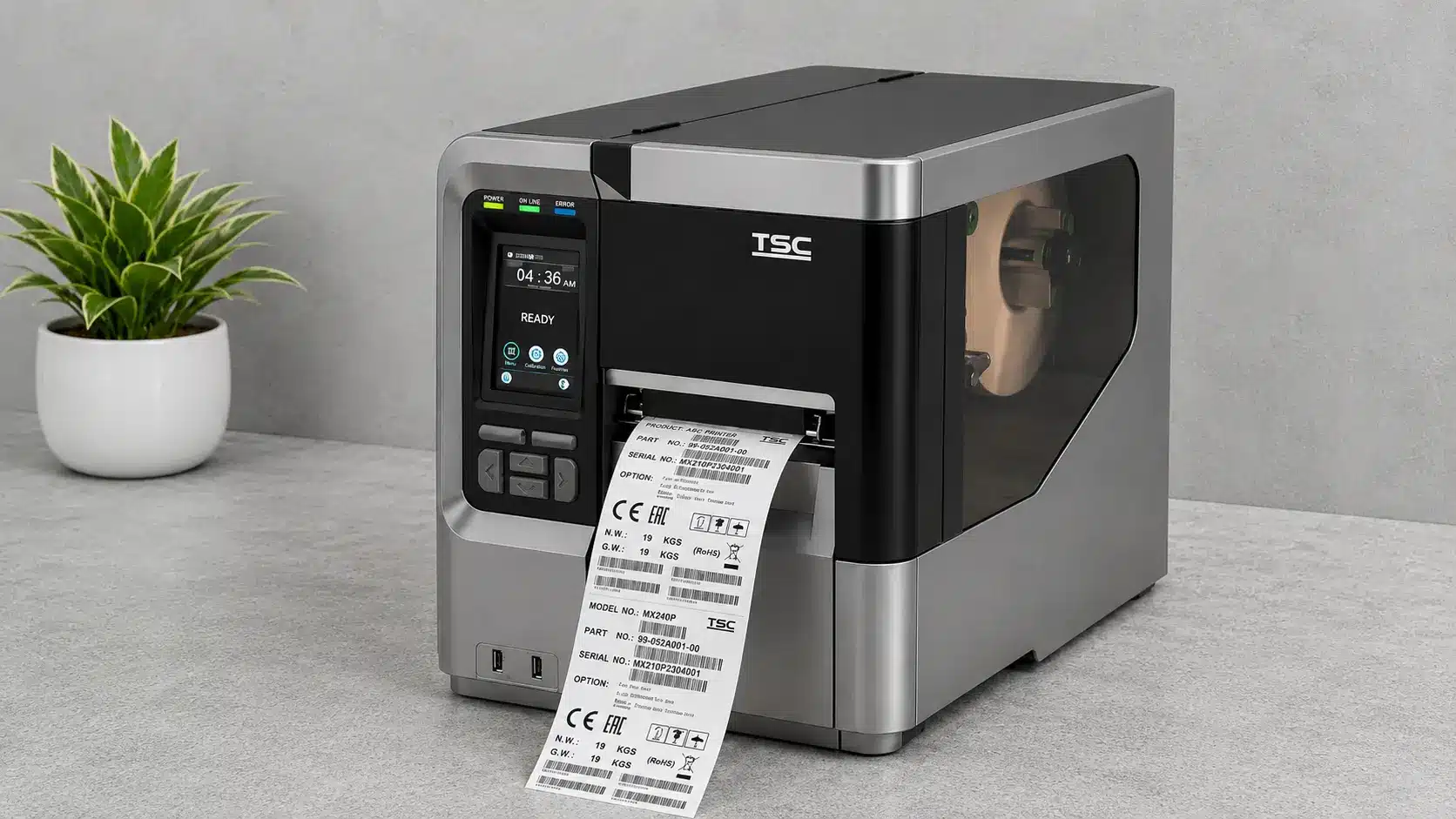
Thermal transfer printers, such as the Zebra ZT231, use a ribbon coated in wax, resin, or a wax-resin blend instead of a heat-sensitive coating built into the paper.
The print head melts the ribbon’s coating onto plain paper, plastic, or synthetic labels, producing a more durable pigment that holds up far better over time.
Common uses:
- Product and asset labels
- Warehouse barcodes
- Long-term identification tags
3. Thermal Inkjet Printers
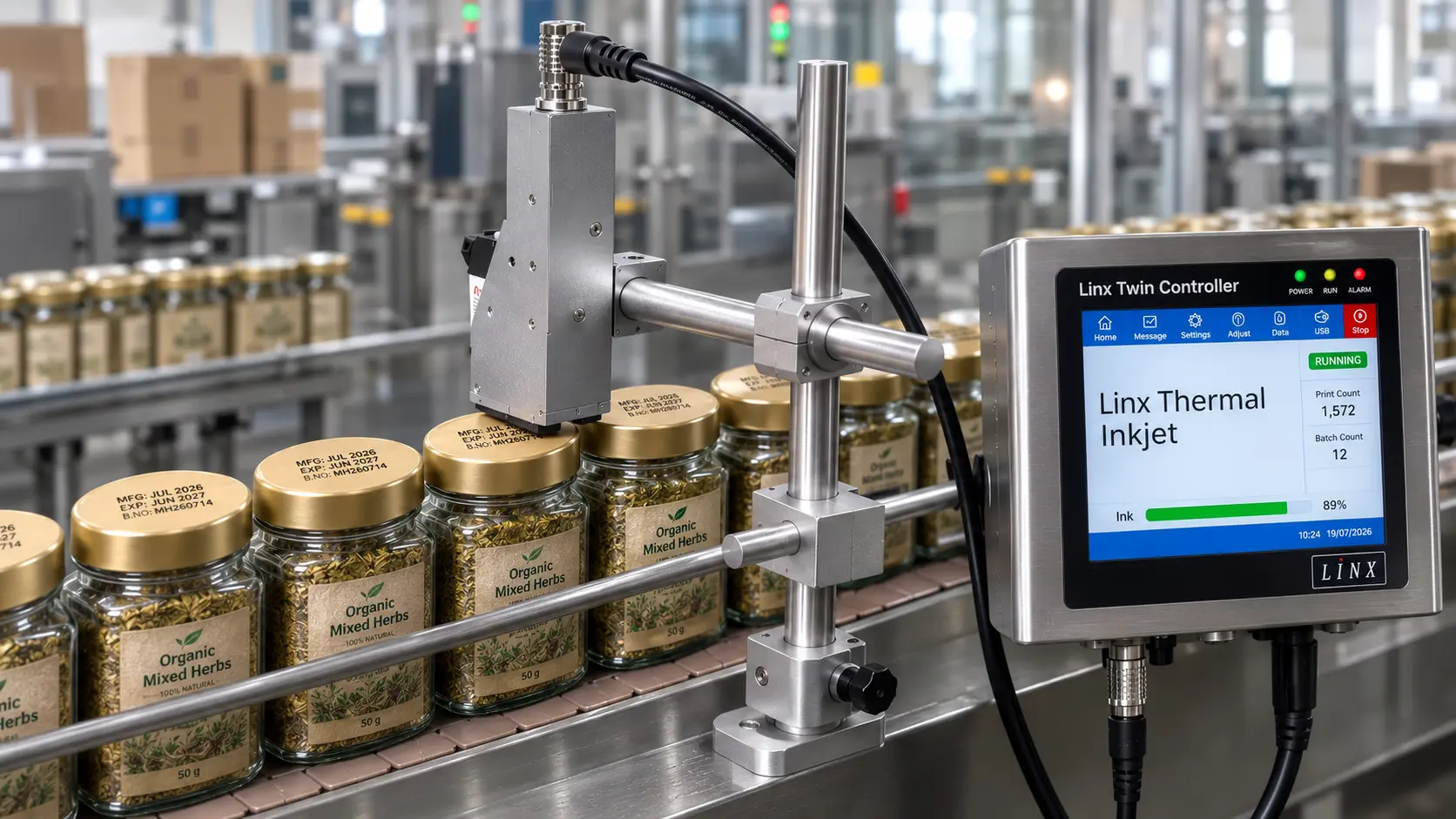
Thermal inkjet printers, seen in HP DeskJet and Canon PIXMA models, work differently from direct thermal and thermal transfer models, even though they share the term “thermal.”
Tiny heating elements rapidly vaporize liquid ink, forming a bubble that forces a droplet onto the page. It forms the basis of many everyday home and office printers.
Common uses:
- Home and office document printing
- Photo printing
- Color graphics and reports
4. Dye-Sublimation Printers
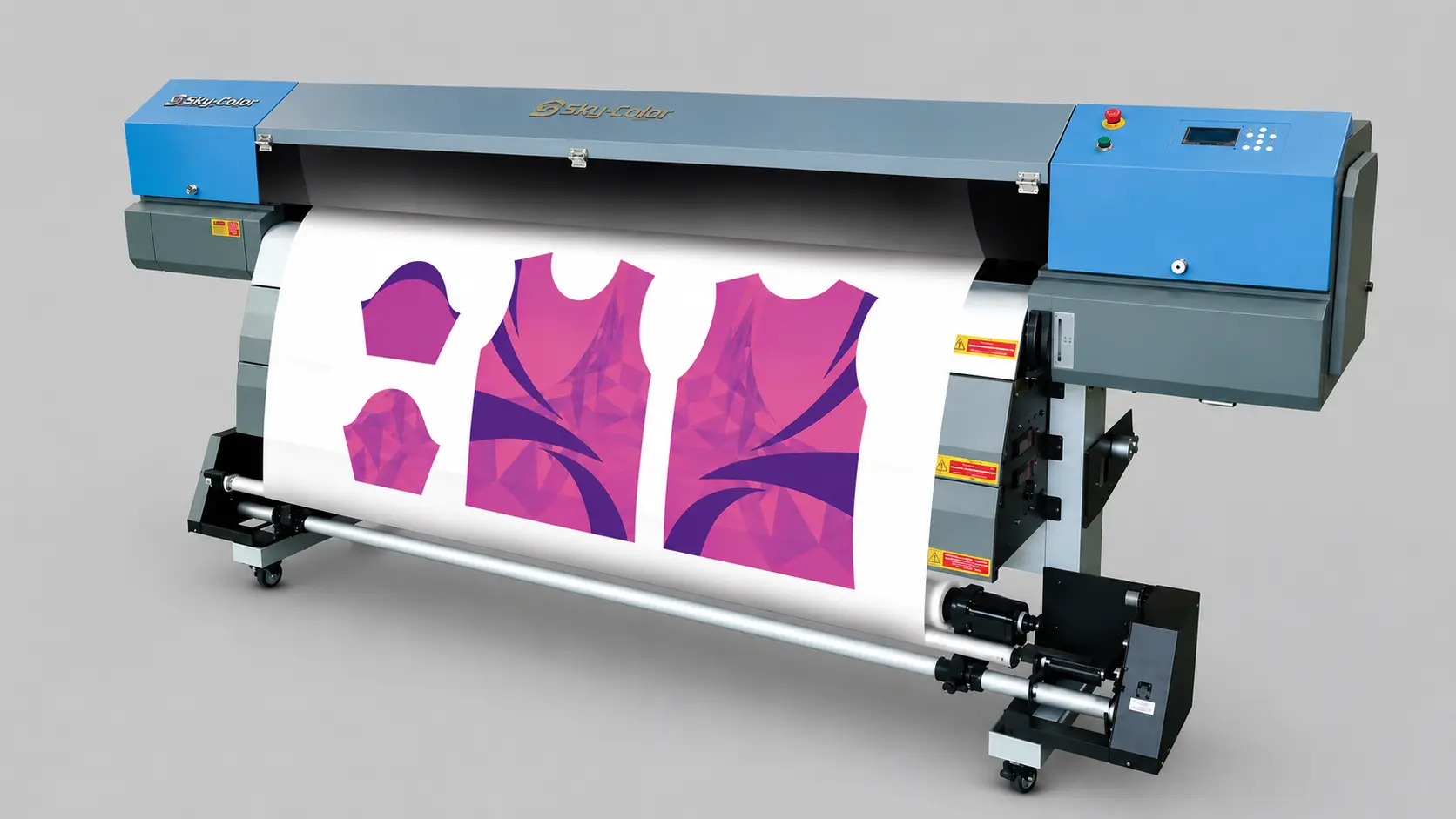
Dye-sublimation printers, like the Canon SELPHY line, use heat to transfer dye from a ribbon containing cyan, magenta, yellow, and sometimes clear panels onto specially coated paper or cards.
Varying the heat intensity blends these dyes into smooth, continuous-tone color images, making this ideal wherever photo-quality reproduction matters most.
Common uses:
- Photo ID cards
- Professional photo prints
- Security badges and access cards
Whichever type is behind the label, all four trace back to the same core idea: using heat to build an image instead of spraying or pressing ink onto the page.
The real differences come down to cost, speed, and how long the finished print needs to last, which is exactly what we’ll look at next.
How Much Do Thermal Printers Cost?
Price is one of the biggest differences between thermal printer types, and it usually comes down to the technology involved rather than the brand. Here’s a general sense of what to expect:
| Printer Type | Typical Price Range | Ongoing Cost |
|---|---|---|
| Direct Thermal | $100–$300 | Paper only |
| Thermal Transfer | $200–$800+ | Paper/labels plus ribbon |
| Thermal Inkjet | $50–$300 | Ink cartridges |
| Dye-Sublimation | $300–$1,500+ | Dye ribbons and specialty media |
These are general estimates, and industrial or high-volume models can cost significantly more. Direct thermal printers tend to be the cheapest to buy and run since there’s no ribbon or ink to replace, while dye-sublimation printers cost more upfront because of the color reproduction they’re built for.
With those costs in mind, the right printer really comes down to what you’re printing and how often.
Thermal Printer Maintenance Tips
Thermal printers need less upkeep than inkjet or laser models, but a few habits go a long way toward keeping print quality sharp and avoiding early wear on the print head.
- Clean the print head regularly: Wipe it gently with isopropyl alcohol and a soft, lint-free swab to remove residue that can cause streaking or faded prints.
- Avoid touching the print head: Finger oils can affect heat transfer and leave permanent marks on the heating elements.
- Use manufacturer-recommended paper, labels, or ribbon: Off-brand or low-quality media can leave debris behind or cause inconsistent printing.
- Store paper and ribbons properly: Keep them away from direct sunlight, heat, and moisture, since these can degrade the coating before it’s even printed on.
A little routine care can meaningfully extend both the printer’s lifespan and the quality of everything it produces, whether that’s a single home label printer or a fleet of units running receipts all day at a busy checkout counter.
Pros and Cons of Thermal Printers
Thermal printers are designed for speed, simplicity, and repeated printing tasks. However, they are not suitable for every type of printing need.
Understanding their advantages and limitations can help you decide whether this technology fits your requirements.
| Advantages | Limitations |
|---|---|
| No ink cartridges needed for direct thermal models | Direct thermal prints can fade over time |
| Fast printing speeds | Limited color options in most models |
| Quiet operation with fewer moving parts | Requires thermal paper or ribbons depending on the type |
| Compact design and simple maintenance | Not suitable for photos or full-page documents |
| Reliable for repeated label and receipt printing | Print quality depends on the material used |
Thermal printers work best when speed, low maintenance, and consistent output matter more than color printing or detailed graphics.
Who Should Use a Thermal Printer?
A thermal printer is a good choice when you need reliable printing for repeated tasks rather than general document printing, such as small businesses printing shipping labels, retail stores creating receipts, warehouses managing inventory labels, or home users organizing packages and storage items.
It’s a poorer fit if you regularly need full-page documents, high-quality photos, or frequent color printing, since most thermal printers are built for speed and single-color output rather than detailed graphics.
Choosing the right printer depends on what you plan to print and how long those prints need to remain readable.
Direct Thermal vs. Thermal Transfer: Quick Comparison
Since direct thermal and thermal transfer are the two technologies people run into most often, here’s how they stack up side by side across the factors that matter most when picking between them.
| Feature | Direct Thermal | Thermal Transfer |
|---|---|---|
| Printing method | Heat activates coated paper | Heat transfers ribbon coating onto material |
| Consumable used | Heat-sensitive paper | Ribbon and paper or labels |
| Maintenance | Lower maintenance | Requires ribbon replacement |
| Print durability | Best for short-term use | Better for long-term use |
| Best for | Receipts, temporary labels | Product labels, barcodes, asset tags |
In short, direct thermal wins on simplicity and low cost for short-lived prints, while thermal transfer trades a bit of convenience for labels that need to survive far longer in the real world.
How Long Do Thermal Prints Last?
The lifespan of a thermal print depends on the printing method, material used, and storage conditions. Different thermal technologies are designed for different levels of durability.
- Direct thermal prints: Direct thermal printing is commonly used for receipts and temporary labels. Since the image is created on heat-sensitive paper, exposure to heat, sunlight, moisture, or friction can cause the print to fade over time.
- Thermal transfer prints: Thermal transfer prints are more durable because the image is created by transferring wax or resin from a ribbon onto the material. This makes them suitable for labels, barcodes, and identification tags that need to remain readable for longer periods.
Choosing the right thermal printing method depends on whether you need short-term convenience or long-lasting results.
Final Thoughts
A thermal printer creates images using heat instead of traditional liquid ink, which is what makes it well-suited to repeated, high-volume printing tasks.
Direct thermal models rely on heat-sensitive paper, while thermal transfer printers use ribbons to create more durable prints.
Understanding what a thermal printer is and how each type works makes it easier to choose the right option for your needs.
They are ideal for receipts, labels, barcodes, and other business applications where speed and reliability matter. If you need color documents or photo printing, a traditional inkjet or laser printer may be a better choice.
Frequently Asked Questions
Are Thermal Printers Worth Buying For Small Businesses?
Thermal printers can be a good choice for businesses that regularly print receipts, shipping labels, or barcodes. They reduce maintenance needs and offer fast output, but they are less useful for general document or photo printing.bels.
Do Thermal Printers Require Regular Maintenance?
Thermal printers generally need less maintenance than inkjet models because they have fewer parts. Cleaning the print head, replacing worn supplies, and using suitable materials can help maintain print quality.
Are Thermal Printers Better Than Inkjet Printers?
Thermal printers are better for receipts, labels, and barcode printing because they are faster and require less upkeep. Inkjet printers are better for photos, color documents, and general home printing.