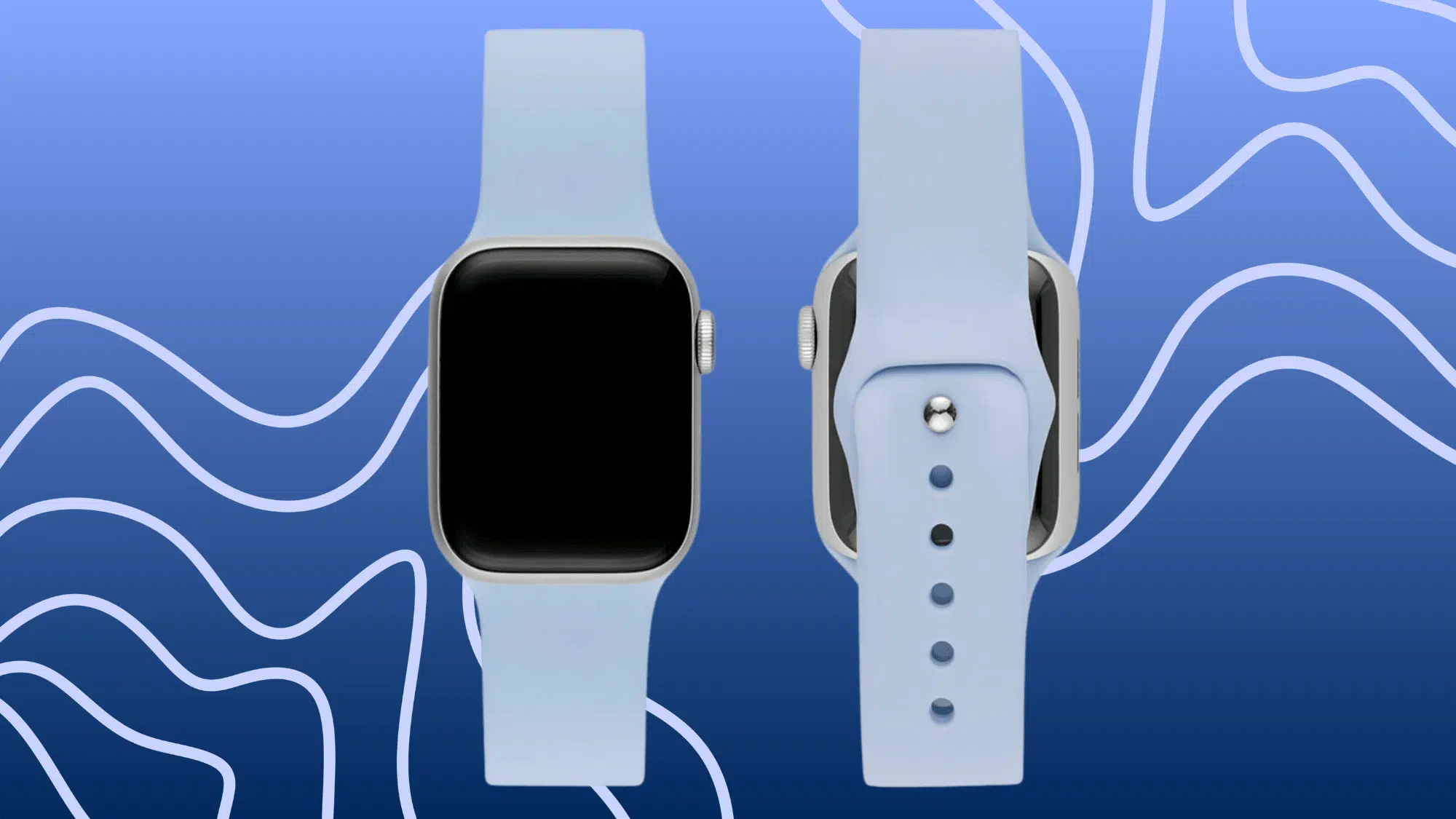



An Apple Watch is worn every single day, through workouts, showers, and everything in between. And the band? It takes the most beating. Sweat, dirt, and daily grime build up fast.
Left uncleaned, that buildup can lead to skin irritation or even a worn-out band.
Cleaning it the right way makes a real difference. The method changes based on the band material; a silicone sport band needs different care than a leather or braided loop band.
This blog explains how to clean each Apple Watch band type properly, what products to use, and what to avoid so the band stays in good shape for longer.
The Correct Way to Clean Apple Watch Bands
Cleaning an Apple Watch band the right way keeps it fresh, long-lasting, and safe for daily skin contact.
1. Remove the band from the watch first: Detaching the band before cleaning prevents water or cleaning agents from reaching the watch itself and causing damage.
2. Use a lint-free, non-abrasive cloth: A soft, damp cloth works best for wiping down the band surface without leaving scratches or unwanted fiber residue behind.
3. Avoid soaps with harsh chemicals: Strong soaps, hand sanitizers, or cleaning sprays can break down band materials over time, causing discoloration or skin irritation with repeated use.
4. Rinse thoroughly with fresh water: After cleaning, rinsing the band well removes any leftover product that could sit against the skin and cause irritation later.
5. Let the band air dry completely: Reattaching a damp band traps moisture against the wrist, which can lead to skin discomfort or gradual wear on the band material.
Apple’s Official Cleaning Guidelines for Apple Watch Bands
Apple has clear, material-specific cleaning rules that help keep every band type in its best condition.
- Always remove the band from the Apple Watch before cleaning it: This protects the watch from any moisture or cleaning product that could cause internal damage.
- Use a nonabrasive, lint-free cloth for all band types: A soft microfiber cloth is the safest choice and works well across every Apple Watch band material.
- Lightly dampen the cloth with fresh water only if needed: Excess water is rarely necessary. A barely damp cloth handles most everyday dirt and sweat buildup.
- Dry the band with a clean, lint-free cloth before reattaching: Putting a wet band back on the watch or the wrist can cause skin irritation and long-term material wear.
- Use mild hypoallergenic hand soap only on select band types: Sport Band, Solo Loop, Braided Solo Loop, and similar materials can handle a small amount of gentle soap when needed.
- Follow the manufacturer’s care instructions for third-party bands: Apple’s cleaning guidelines apply only to Apple-branded bands. Non-Apple bands may need a completely different cleaning approach.
Disclaimer: For the most up-to-date cleaning instructions, always check the official Apple Support page before cleaning any band.
How to Clean Apple Watch Bands by Material

Each Apple Watch band material needs a slightly different cleaning approach. Using the right method protects the band long-term.
1. Sport Bands (Fluoroelastomer)
Sport bands are built for active use, so they attract sweat and dirt fast. Thankfully, they are the easiest to clean.
- Wipe with a Damp Cloth: Run a soft, lint-free cloth lightly dampened with fresh water across the band to lift everyday sweat and surface dirt.
- Use Mild Soap if Needed: For stubborn grime, a small amount of hypoallergenic hand soap works well. Avoid anything with strong chemicals or fragrances.
- Rinse and Dry Thoroughly: After cleaning, rinse off any soap residue completely and dry the band with a clean cloth before putting it back on.
Care Tip: Skip the hand sanitizer. It may feel like a quick fix, but repeated use breaks down the fluoroelastomer material over time.
2. Solo Loop and Braided Solo Loop
Both band types sit close to the skin all day. Regular cleaning keeps them fresh and free from buildup that could cause irritation.
- Hand Wash with Mild Soap: Use lukewarm water and a gentle, hypoallergenic soap. Work it lightly across the band surface with clean fingers or a soft cloth.
- Air Dry Completely Before Wearing: Never use a hair dryer or place the band in direct sunlight to speed up drying. Let it dry naturally at room temperature.
Care Tip: The Braided Solo Loop has a woven texture that traps more dirt than it looks. A soft toothbrush can help reach between the fibers gently.
3. Leather Bands
Leather bands need more care than other materials. Too much moisture can warp, stain, or crack the leather permanently if not handled correctly.
- Use a Dry or Slightly Damp Cloth Only: Leather does not need much water. A barely damp microfiber cloth is enough to clean light marks and daily residue.
- Avoid Soaking the Band in Water: Leather is not water-resistant. Soaking it causes the material to stiffen, crack, or lose its shape over time.
- Condition Occasionally to Maintain Softness: A leather conditioner can help keep the band from drying out, especially in low-humidity environments or with frequent daily wear.
Care Tip: Store leather bands away from direct sunlight and high heat. Both accelerate drying and cause the leather to age much faster than normal.
4. Stainless Steel Bands
Stainless steel bands look sharp but show fingerprints and water spots easily. A quick, regular wipe-down keeps them looking clean and well-maintained.
- Use a Microfiber Cloth for Daily Cleaning: A dry microfiber cloth removes most fingerprints and light smudges without scratching the steel surface or leaving lint behind.
- Wipe Lightly with Water for Tougher Marks: Dampen the cloth slightly with fresh water for more stubborn spots. Avoid soaking the metal or the connecting links.
- Dry Immediately After Any Water Contact: Water left sitting on stainless steel can leave visible spots. Always wipe the band dry right after cleaning it.
Care Tip: Avoid abrasive cloths or scrubbing pads entirely. Even minor scratches on stainless steel are hard to buff out without professional help.
5. Nylon and Fabric Bands
Fabric bands absorb sweat more than other materials, which means odor and staining can build up faster. Gentle hand washing works best here.
- Hand Wash Gently with Mild Soap: Use cool water and a small amount of gentle soap. Lightly work it through the fabric without stretching or twisting the band.
- Air Dry Fully Before Wearing Again: Fabric holds moisture longer than other materials. Wearing a damp nylon band against the skin for long periods can cause irritation.
Care Tip: Do not put fabric bands in a washing machine or dryer. The agitation and heat can cause the material to fray, shrink, or lose its shape.
What Not to Use When Cleaning Your Apple Watch Band

Using the wrong cleaning product can damage a band faster than daily wear ever would.
Certain products should never be used on any Apple Watch band. Harsh soaps and heavily scented cleansers strip away the material’s natural finish over time.
Abrasive cloths or rough sponges leave behind small scratches that gradually worsen.
Hand sanitizers and alcohol-based sprays dry out both leather and silicone, causing cracking or discoloration.
Bleach and hydrogen peroxide are far too strong for any band material and cause permanent surface damage.
Compressed air should stay away from bands, too, as the force can weaken stitching on fabric and braided styles. Sticking to gentle, minimal cleaning tools always gives better long-term results.
How Often Should You Clean Your Apple Watch Band?
Most people forget that a watch band sits against the skin for hours every single day. That alone makes regular cleaning more important than it might seem.
For active users or anyone who sweats frequently, a quick wipe-down after every workout is a good habit to build. A light daily clean takes less than a minute and stops buildup before it becomes a real problem.
For everyday, casual wear, cleaning the band two to three times a week is usually enough to keep things fresh.
Leather bands need less frequent washing but should still be wiped down regularly to prevent surface grime from settling in.
A full, thorough clean once a week works well for most band types and keeps skin irritation at bay.
Common Mistakes to Avoid When Cleaning Apple Watch Bands
A few simple cleaning mistakes can shorten a band’s life significantly. This is what to watch out for.
1. Soaking the band in water: Most band materials are not designed for prolonged water exposure, especially leather and fabric styles.
2. Using alcohol-based wipes or sanitizers: These dry out silicone and leather quickly, leading to cracking, fading, and an uncomfortable texture over time.
3. Scrubbing too hard with rough materials: Abrasive cloths or sponges scratch the surface and wear down the band’s finish faster than expected.
4. Not removing the band before cleaning: Cleaning the band while attached risks pushing moisture directly into the watch, which can cause internal damage.
5. Putting the band back on while still damp: A wet band traps moisture against the skin, leading to irritation, redness, or even a rash with repeated exposure.
6. Using strongly scented or chemical-heavy soaps: These leave residue that sits against the skin and can cause allergic reactions, especially for those with sensitive skin.
7. Skipping regular cleaning altogether: Letting dirt and sweat build up over weeks makes stains harder to remove and increases the chance of skin irritation.
Conclusion
A clean band is not just about looks. It protects the skin, extends the band’s life, and keeps the watch feeling comfortable through every wear.
The right cloth, a little fresh water, and the correct approach for each material are really all it takes.
Leather needs gentle handling, sport bands can handle mild soap, and fabric styles just need time to air dry fully.
Pick a cleaning routine that fits the schedule and stick to it. Got a favorite cleaning tip that works well for a specific band type? Drop it in the comments below.