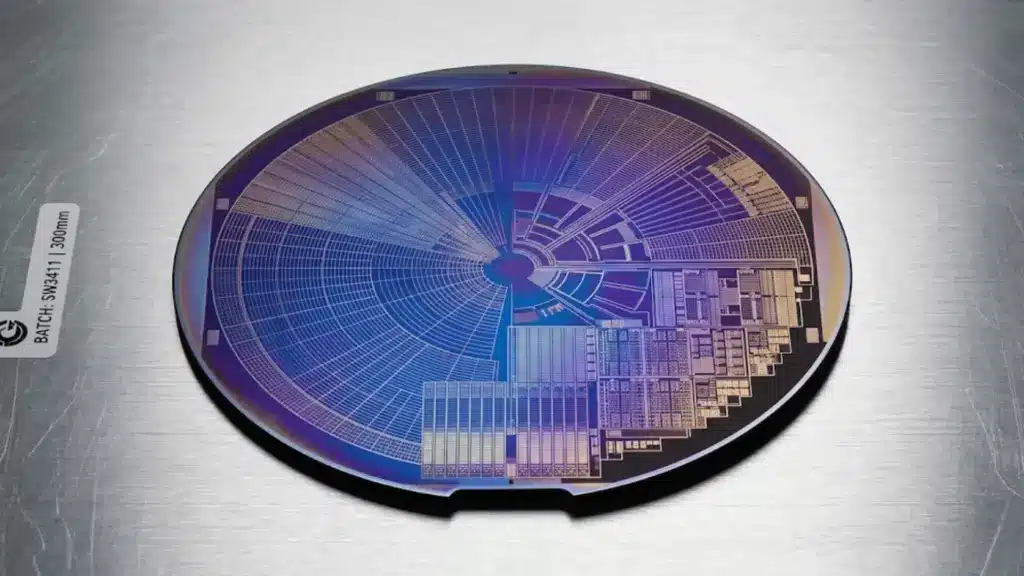
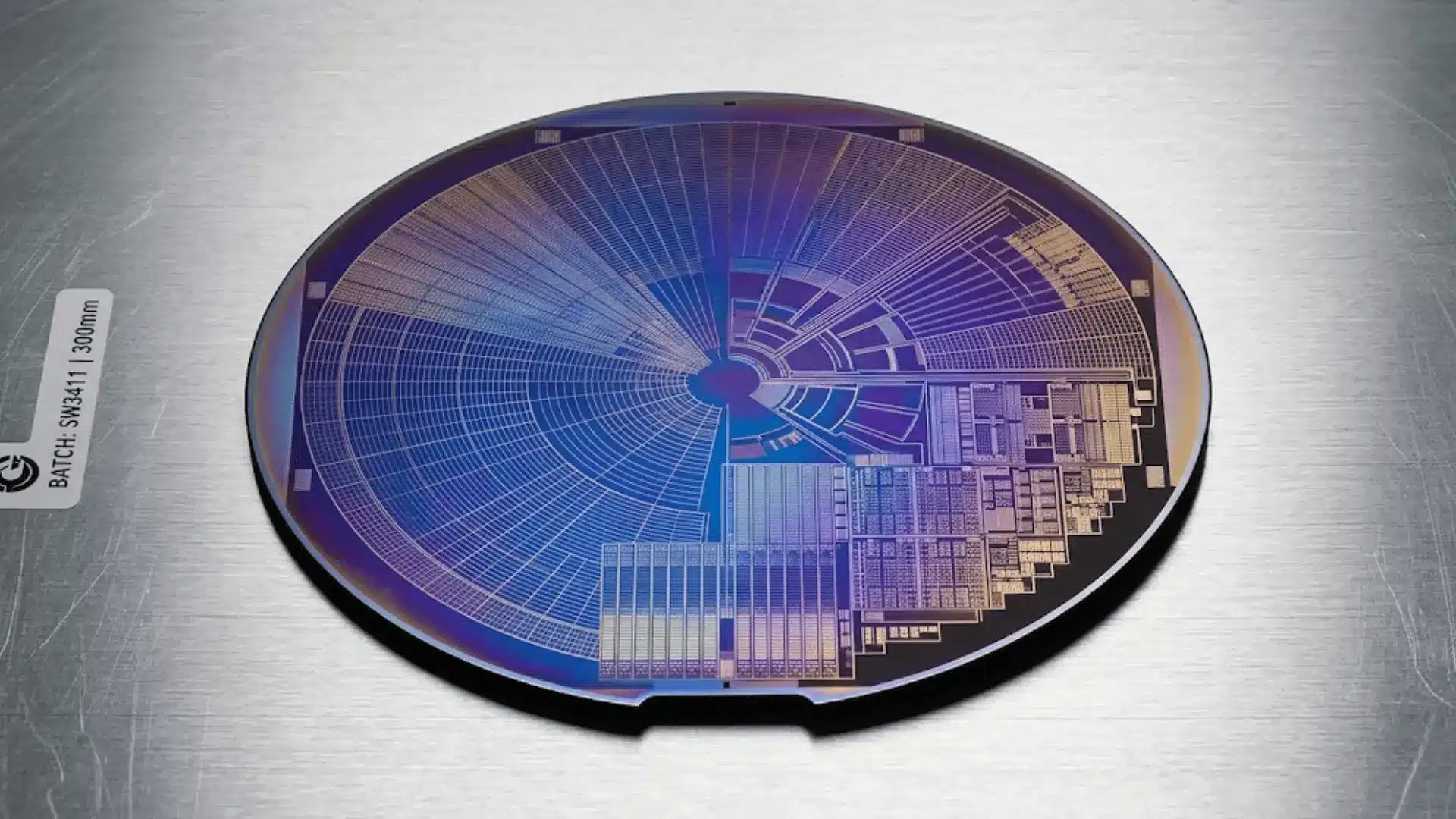



Computing has always grown quietly, and then all at once.
For decades, we made computers faster by thinking in ones and zeros, just smaller and quicker with each passing year. Quantum computing takes a completely different path.
Instead of processing information the way we always have, it taps into the behavior of particles at their most fundamental level, opening up a kind of problem-solving that classical machines simply were not built for.
So, is quantum computing the future? That question deserves more than a quick yes.
This piece walks through the most exciting advances happening right now, the real-world possibilities taking shape, and the challenges still standing in the way, so you can form your own picture of where all of this is actually headed.
What is Quantum Computing?
Classical computers think in bits: every answer is either a one or a zero.
Quantum computers use qubits, which can exist in both states at once, thanks to a property called superposition.
Pair that with entanglement, where qubits influence each other regardless of distance, and you get a system that processes vast combinations of possibilities simultaneously.
This does not make quantum computers universally faster, but for problems like simulating molecules or cracking complex optimizations, they can work through in seconds what classical machines would take lifetimes to solve.
Why Quantum Computing Matters for the Future?
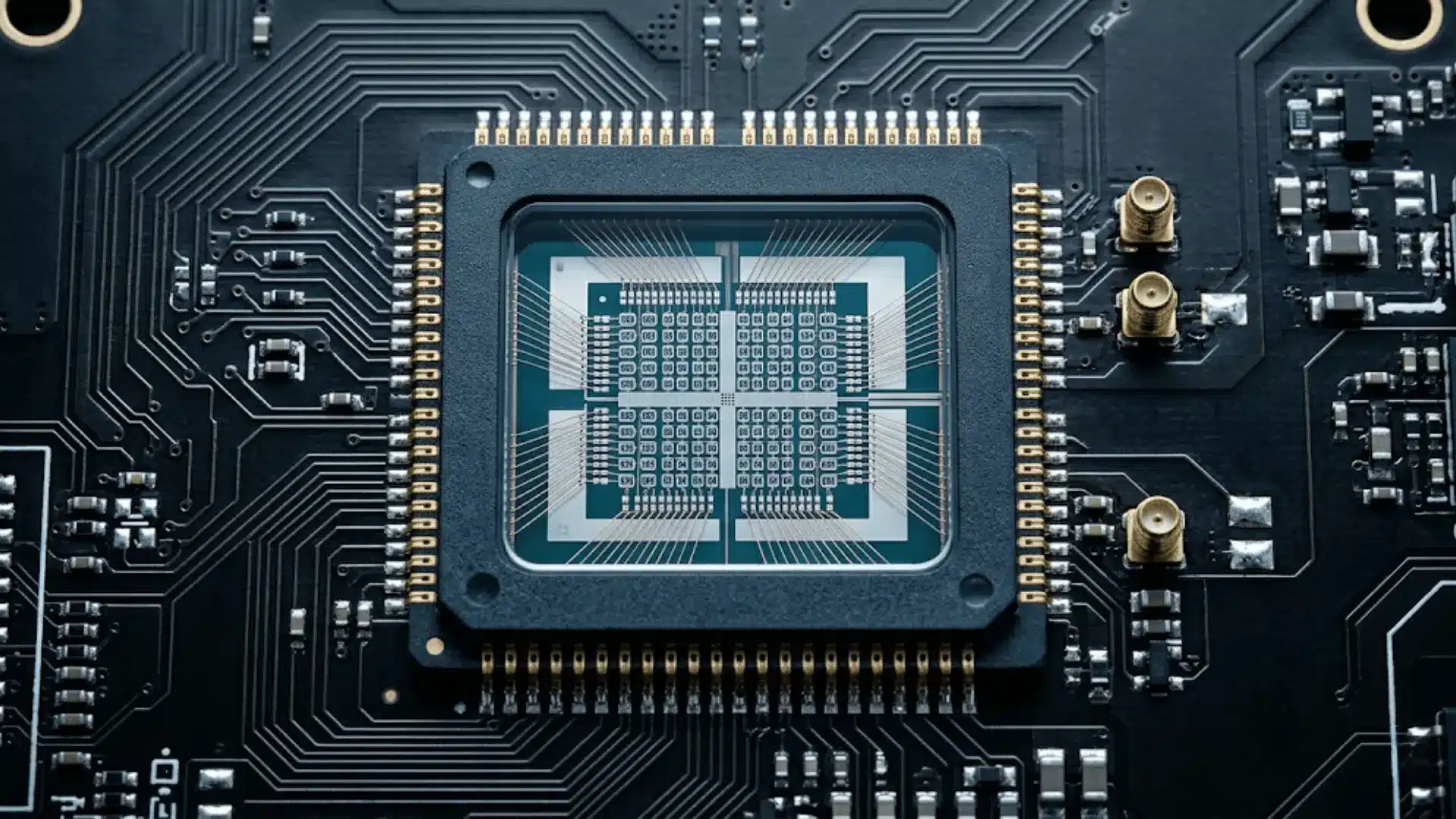
Some problems are not hard because we lack effort. They are hard because the scale of computation required sits entirely beyond what classical systems can reach.
Quantum computing does not just speed things up; it redraws the boundary of what is solvable at all.
1. Solving Complex Problems Beyond Classical Limits
Optimization, molecular simulation, and cryptography all share one thing: the number of variables involved grows so fast that classical computers hit a wall. Quantum systems are built for exactly this kind of complexity.
They can model chemical interactions at the atomic level, rethink supply chain routing in real time, and factor large numbers in ways that could redefine how digital security works from the ground up.
2. Exponential Speed Potential
Where a classical computer works through options one path at a time, a quantum system holds many states in parallel through superposition, narrowing toward the best answer rather than brute-forcing every possibility.
The speed advantage is not incremental. For the right problems, it scales exponentially, and that gap between classical and quantum widens sharply as the complexity of the problem grows.
3. Industry Disruption Potential
Healthcare could see drug discovery timelines collapse from years to weeks. Finance could model risk across markets with a precision that feels closer to foresight than forecasting.
Logistics networks could self-optimize continuously, and cybersecurity would need to rebuild its foundations entirely. Quantum is not quietly improving one sector; it is setting up a wave that crosses all of them at once.
Recent Advances in Quantum Computing
Quantum computing has moved from an intriguing theory to a field producing real, documented results. The pace of progress over the last couple of years has been unlike anything seen before in the space.
Hardware Breakthroughs
The bottleneck in quantum computing has always been qubit stability. That is starting to change in meaningful ways.
A few recent highlights:
- Princeton engineers built a superconducting qubit that stays stable three times longer than any previous design, nearly fifteen times the industry standard for large-scale processors.
- Microsoft’s Majorana 1 chip introduced topological qubits, a fundamentally different architecture designed to be inherently resistant to errors rather than correcting them after the fact.
- IBM’s Flamingo processor connected multiple chips into a multi-chip system, showing that scaling through interconnected processors is a viable path forward.
Quantum Supremacy and Utility
Here is a quick look at where the two biggest players currently stand:
| Company | Milestone | Significance |
|---|---|---|
| Google Quantum AI | Willow chip, 105 qubits (2024) | Completed in minutes what classical supercomputers could not solve in a practical timeframe |
| IBM Quantum | Nighthawk processor (2025) | Higher connectivity, lower error rates, and quantum advantage targeted by the end of 2026 |
Advances in Quantum Error Correction
Errors were once quantum computing’s biggest wall, and for good reason; adding more qubits almost always meant adding more noise.
Google’s Willow chip was the first to flip that pattern, proving that errors actually decrease as the system scales.
IBM’s Loon processor built on that momentum, demonstrating a complete fault-tolerant architecture in a single system. What was once theoretical is now something teams are actively engineering toward.
Is Quantum Computing the Future?
Yes, but not in the way most headlines suggest. Quantum will not replace the computers we use every day: browsing, gaming, and running apps will stay firmly in classical territory.
Where quantum earns its place is in problems that classical systems fundamentally cannot crack: molecular modeling, cryptography, and large-scale optimization, where the number of variables grows beyond any classical reach.
It is not a universal upgrade.
It is a specialized capability that will quietly reshape entire fields, running alongside classical computing rather than replacing it.
Real-World Applications of Quantum Computing
Quantum computing is not waiting for the future to find its footing.
Across industries, the groundwork for practical application is already being laid, and the problems it is being pointed at are some of the most consequential ones we have.
| Industry | Use Case | Impact |
|---|---|---|
| Healthcare | Simulating molecules and proteins | Faster drug discovery |
| Finance | Risk analysis and portfolio optimization | More precise market modeling |
| Cybersecurity | Breaking legacy encryption; quantum-safe alternatives | Rebuilt digital security foundations |
| Logistics | Route optimization and scheduling | Real-time supply chain efficiency |
| Climate and Energy | Climate modeling and material discovery | Accelerated clean energy development |
Challenges Slowing Down Quantum Computing
The progress is real, but so are the obstacles. Quantum computing still has some fundamental engineering problems to work through before it can operate reliably at scale.
- Qubits are fragile. Even minor temperature shifts or vibrations can cause quantum states to collapse entirely.
- Error rates remain high, requiring complex correction systems that consume a significant portion of available qubits.
- Scaling is non-linear. Adding more qubits introduces new coordination and noise challenges rather than simply increasing power.
- Infrastructure costs are steep. Quantum systems require near absolute-zero environments and specialized hardware that most organizations cannot access.
- Talent and tooling are still scarce. The pool of people who can program and operate quantum systems meaningfully remains very small.
None of these challenges are permanent, and researchers are chipping away at each one. But they are the honest reason why quantum computing, despite its promise, is still years away from broad, reliable deployment.
Timeline: When Will Quantum Computing Become Mainstream?
Quantum computing will not arrive all at once. It is unfolding in stages, each building on the last.
Here is an honest look at where the field is headed and roughly when.
| Phase | Timeframe | Focus |
|---|---|---|
| Short term | Now to 5 years | Hybrid quantum-classical systems |
| Medium term | 5 to 15 years | Practical advantage in niche fields |
| Long term | 15 years and beyond | Broader adoption across industries |
Quantum Computing vs. Classical Computing
Classical computing is fast, reliable, and built for the tasks most of the world runs on daily.
Quantum computing is something else entirely: purpose-built for problems where complexity grows exponentially, and classical systems simply stall.
Neither is universally better.
Quantum struggles with everyday tasks that classical hardware handles effortlessly, and classical systems cannot touch the problem spaces where quantum excels.
The more accurate picture is not competition but a division of labor, where each does what it was designed to do, and the two work in tandem.
The Role of Big Tech and Startups
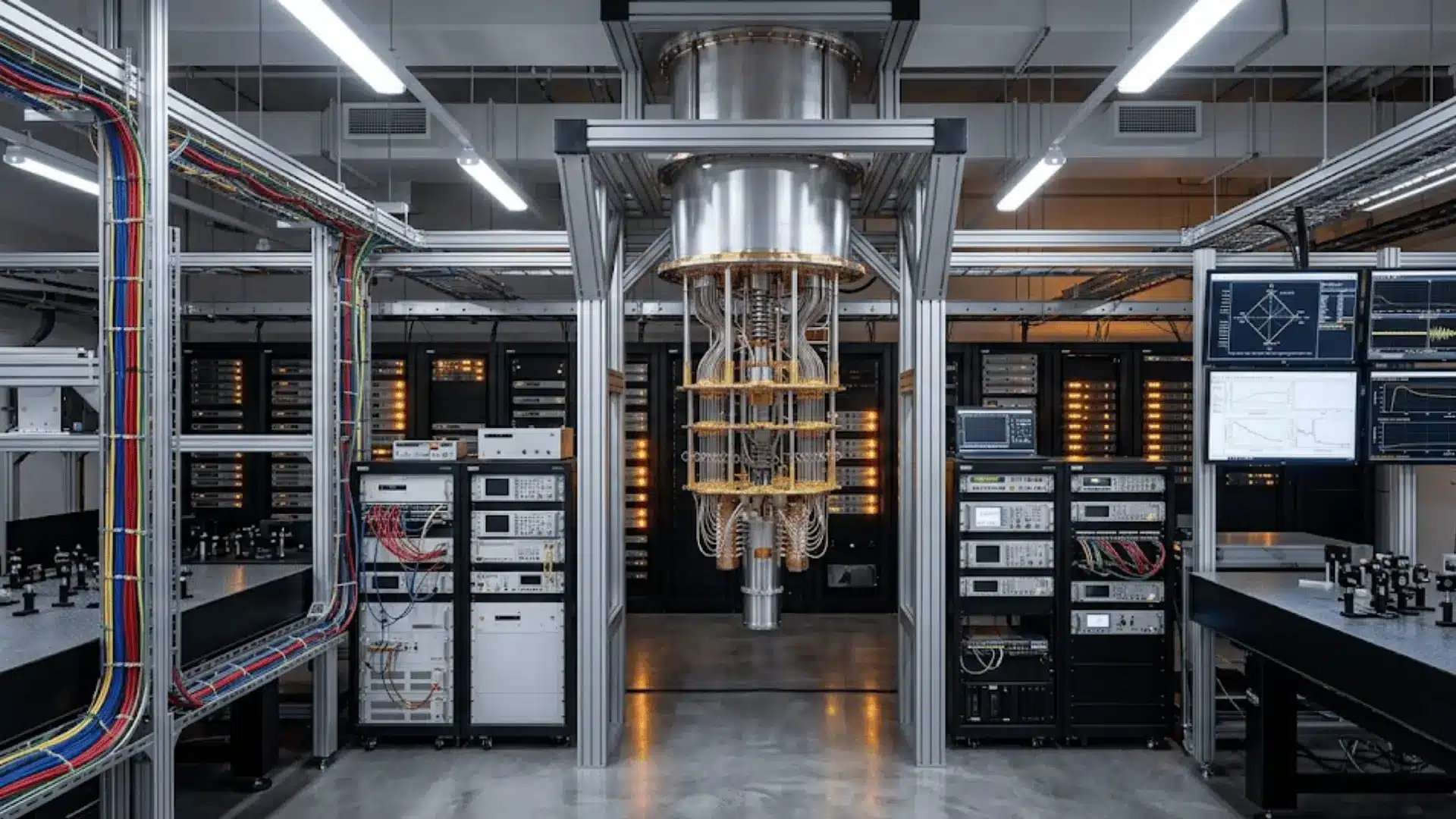
The quantum race is not a solo effort.
IBM is targeting a large-scale fault-tolerant system by 2029, with its Nighthawk processor already pushing toward quantum advantage by the end of 2026.
Google Quantum AI made headlines with its Willow chip and has set its sights on a fully error-corrected machine capable of solving real-world problems by the same year.
Meanwhile, startups are keeping pace. IonQ is aggressively expanding through acquisitions and cloud integration, while Rigetti is scaling toward a 1,000-qubit system by 2027.
The field is moving fast, and it is moving wide.
Ethical and Security Implications
Quantum computing’s power is not neutral. As capabilities grow, so do the responsibilities that come with them, and some of the most pressing concerns are already on the table.
- Most current encryption standards could be broken by a sufficiently powerful quantum machine.
- Post-quantum cryptography is already in development, with governments and institutions racing to adopt quantum-safe standards.
- “Harvest now, decrypt later” attacks mean sensitive data stolen today could be decoded once quantum matures.
- Unequal access to quantum power risks deepening the divide between nations and institutions that have it and those that do not.
- Regulatory frameworks are still catching up, and the window to shape responsible innovation is narrowing.
The technology will arrive regardless. The question is whether the guardrails arrive with it or well after the fact.
Future Trends in Quantum Computing
The next chapter of quantum computing is already taking shape. Cloud-based quantum access is lowering the barrier to entry, letting researchers and businesses experiment without owning any hardware.
Hybrid models that pair quantum and classical processors are becoming the near-term standard, getting useful results before full fault tolerance arrives.
Error correction is maturing faster than expected, and commercialization is following closely behind.
Quantum-as-a-service platforms, enterprise pilots, and growing investment all point to practical, revenue-generating applications that are no longer a distant possibility.
Wrapping Up
The future of quantum computing is not a single breakthrough moment waiting to happen. It is a gradual, deliberate shift already underway, one that will change how we solve the problems that have always been just out of reach.
From drug discovery to climate modeling, the fields that stand to benefit most are also the ones that matter most.
We are still in the early chapters, but the story is very much in motion. Wherever this technology lands, it will land differently than anything before it.
Which part of this excites you most? Drop your thoughts in the comments below.
Frequently Asked Questions (FAQs)
When Will Quantum Computers Be Widely Used?
Niche applications in fields like drug discovery and financial modeling are likely within the next decade. Broad, everyday adoption is still further out, contingent on solving the remaining hardware and error correction challenges.
Will Quantum Computers Replace Classical Computers?
No. Quantum computers are built for a specific class of complex problems, not the tasks classical systems handle every day. The two will work alongside each other, each doing what it does best.
What Industries Will Benefit the Most?
Healthcare, finance, logistics, and cybersecurity stand to gain the most, each sitting at the intersection of high complexity and consequence. These are the fields where quantum’s strengths align directly with real-world needs.