


The real story about home security systems is often a bit different from what most companies like to share.
Behind polished ads and promises is a complex picture that can save or cost you more.
This guide cuts through the noise, breaks down the real data, and gives you everything you need to make a smarter, safer decision for your home.
Do Home Security Systems Actually Work?
The short answer? Yes, and the numbers back it up. Americans without security systems are 80% more likely to feel unsafe at home. And 42% of people say their security setup has actually stopped a break-in.
Modern systems layer multiple defenses. Motion sensors, door and window contacts, and smart cameras all work together to alert you instantly.
Even a yard sign deters criminals. Visibility alone makes your home a harder target.
How Home Security Systems Actually Work

Door, window, and motion sensors detect trouble the moment it happens. Cameras and video doorbells let you see what is going on in real time.
A control panel ties everything together, and a mobile app keeps you connected from anywhere.
You can self-monitor with phone alerts or pay for professional monitoring. Pros respond in around 45 seconds and call emergency services for you.
Want to see how these systems compare? Check out our full breakdown of the best home security systems.
The Truth: Pros and Cons Nobody Talks About
Home security systems can deter crime and simplify monitoring, but they come with trade-offs most people do not consider before buying.
| PROS | CONS |
|---|---|
| Visible cameras deter intruders | Monthly fees add up quickly |
| Remote monitoring from anywhere | False alarms cause alert fatigue |
| Potential insurance discounts | Privacy concerns with AI/data storage |
| Faster emergency response | Many systems fail without the internet |
Types of Home Security Systems

Not all security systems are created equal, so here’s a quick, helpful breakdown to help you choose the perfect fit for your needs.
DIY Systems
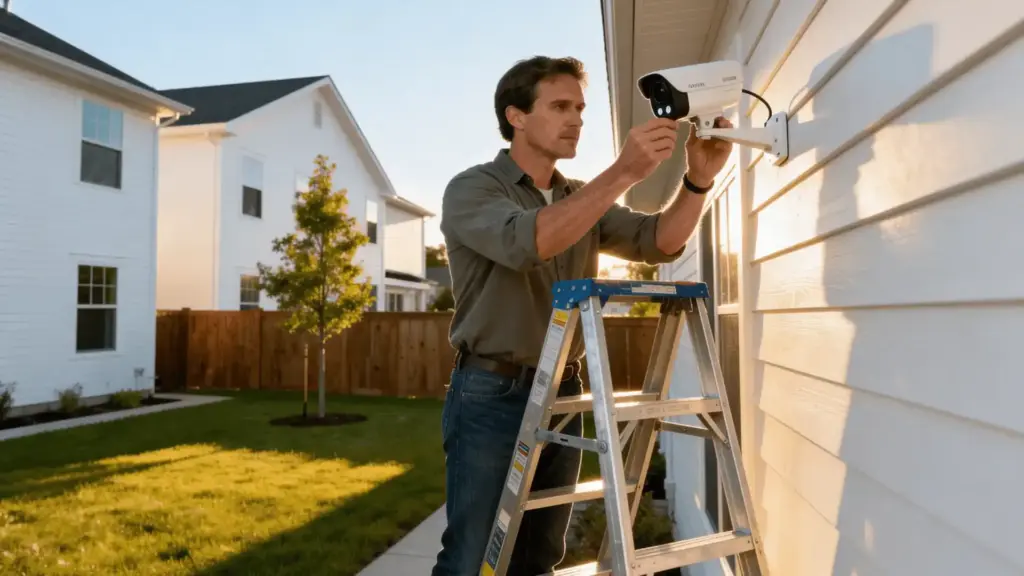
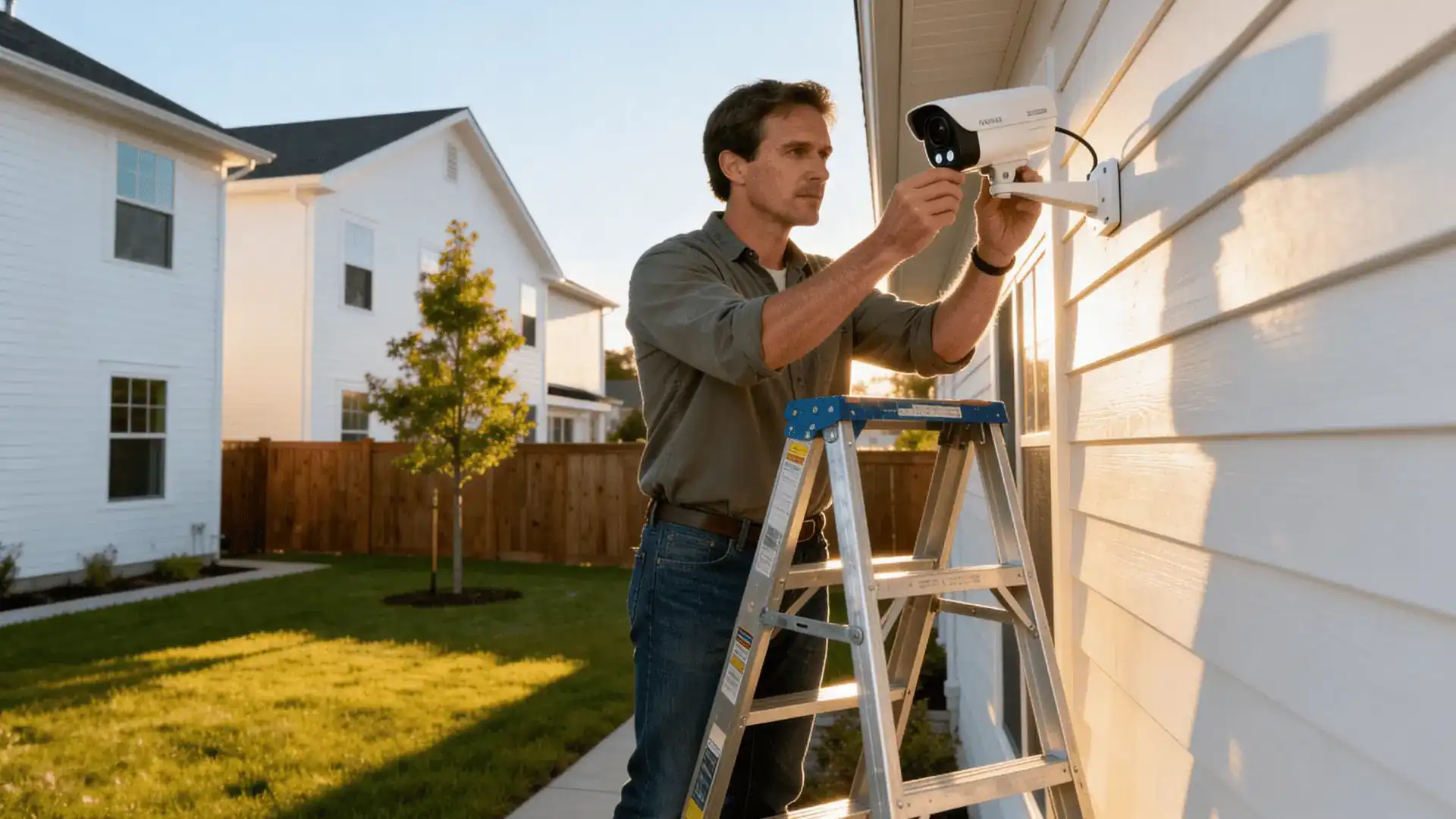
Brands like SimpliSafe and Ring are easy to install yourself and cost far less upfront. A great option if you rent or want flexibility without long-term contracts.
Most kits are ready for use straight out of the box and can be set up in under an hour, making the process quick and hassle-free.
Professionally Installed Systems
ADT and Vivint send experts to set everything up for you. You pay more, but you get reliable equipment, professional support, and stronger overall performance.
Ideal for owners seeking a straightforward, hassle-free start from the very beginning.
Smart Home Integrated Systems
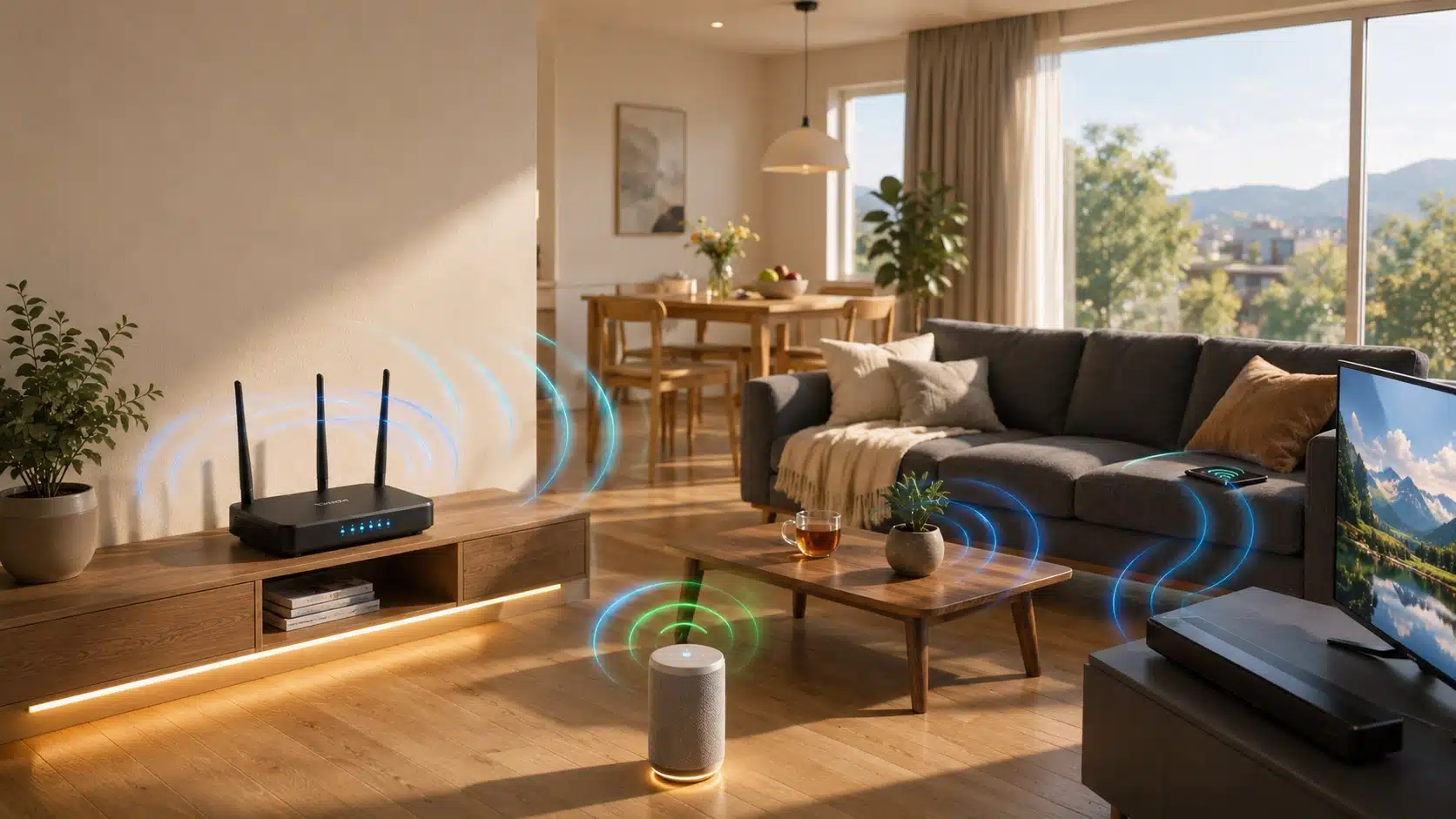
These systems use AI detection, home automation, and voice assistant compatibility. Ideal if you already have a smart home setup and want everything working together seamlessly.
They usually cost a bit more, but they provide the best protection you can get today.
Home Security Systems Comparison
Home security options differ in cost, features, and flexibility. A quick comparison highlights what you get, cutting through marketing claims. Here’s a snapshot of top systems and their real-world position.
| SYSTEM | BEST For | PRICING (EST.) | RATING | Key Trade-off |
|---|---|---|---|---|
| ADT | Professional monitoring | $$$ | 4.5/5 | Contracts, higher cost |
| SimpliSafe | Value | $ | 4.4/5 | Limited advanced features |
| Vivint | Smart homes | $$$$ | 4.6/5 | Expensive |
| Ring | Cameras | $$ | 4.3/5 | Not full security |
| Cove / Frontpoint | Flexibility | $$ | 4.4/5 | Fewer premium features |
What Real Users Are Saying About Home Security Systems
Most reviews paint a mixed picture. Here is an honest breakdown of what owners across Reddit are actually experiencing with today’s top brands.
SimpliSafe: Reddit
One Reddit user shared that after two years of use, the system was more frustrating than helpful. Wi-Fi cameras kept disconnecting, battery life was poor, and tech support could not resolve the issues even after hours of troubleshooting. On the flip side, the r/homesecurity community notes that SimpliSafe sensors are solid, though cameras fall short. One user summed it up as a system that “works 85% of the time, which is not ideal for a security system.”
Ring: Reddit
Ring is praised on r/homesecurity for its easy installation and extensive ecosystem. Many users appreciate that you can start with a single video doorbell and gradually expand to cameras, sensors, and alarms. However, Reddit discussions around Ring center on battery complaints, with contact sensors marketed with a three-year battery life dying in six to twelve months
Arlo: Reddit
Arlo cameras offer excellent video quality, but many users express frustration with hefty subscription fees. After the free trial ends, cameras lose almost all functionality, leaving users feeling misled.
Common Myths About Home Security Systems: Debunked
- Myth: My neighborhood is safe enough.
Fact: A U.S. home invasion occurs as frequently as every 26 seconds. No zip code is immune, and familiarity with your area can create a false sense of security. - Myth: Security systems are too expensive.
Fact: Costs have dropped drastically over the last five years. Entry-level kits now start under $100, with flexible monthly plans that require no large upfront investment. - Myth: Burglars only enter through doors and windows.
Fact: Garages and basements are among the most commonly exploited entry points. A complete system covers all access points, not just the obvious ones. - Myth: DIY systems are not as reliable.
Fact: Modern DIY systems from brands like SimpliSafe and Ring use the same sensors and encryption as professionally installed systems, often matching their performance. - Myth: Monitoring contracts is unavoidable.
Fact: No-contract monitoring is now the standard for many providers. Companies like SimpliSafe and Abode offer month-to-month plans you can cancel anytime. - Myth: Smart systems are too complicated.
Fact: Most modern systems are built around simple app-based control. If you can use a smartphone, you can manage a smart security system without any technical background. - Myth: False alarms make them pointless.
Fact: AI-powered detection has significantly reduced false positives. Smart cameras can now distinguish between a person, a pet, and a passing car with impressive accuracy. - Myth: Renters cannot use security systems.
Fact: Wireless systems require zero drilling and can be set up in under an hour. They move with you when you leave, making them a perfect fit for renters.
Top Home Security Systems Compared: Ratings, Reviews and Pricing
Not every security system is worth your money. Here is a side-by-side look at the top options to help you find the best fit for your budget and lifestyle.
| SYSTEM | EQUIPMENT FROM | MONTHLY FEE | CONTRACT | INSTALL | BEST FOR |
|---|---|---|---|---|---|
| SimpliSafe | ~$250 | From $9.99 | No | DIY | Overall value |
| ADT | ~$800 | $24.99–$49.99 | Yes | Pro/DIY | Reliability |
| Ring Alarm | $199.99 | From $9.99 | No | DIY | Smart home/Alexa |
| Vivint | ~$550+ | ~$30–$65 | Optional | Pro only | Premium smart home |
| Arlo | $199.99 | $9.99–$19.99 | No | DIY | Self-monitoring |
DIY vs. Professional Monitoring: Which Is Right for You
Choosing how your system is monitored can be just as important as the system itself. Here is a simple breakdown to help you decide.
With professional monitoring, a call center is instantly notified when your alarm triggers. If you do not respond, they dispatch emergency services on your behalf.
Some providers, like SimpliSafe, even allow agents to verify incidents using camera footage before making that call.
Self-monitoring sends alerts straight to your phone, putting you in full control. It works well for budget-conscious, tech-savvy users who are usually reachable.
Choose DIY if you want lower monthly costs, no contracts, and hands-on control. Choose professional monitoring for 24/7 backup, faster emergency response, and peace of mind when you are unreachable.
What to Look For Before You Buy
With so many options on the market, knowing what actually matters can save you time, money, and frustration. Run through this checklist before committing to any system.
- No long-term contracts: Look for month-to-month plans or easy cancellation policies with no hefty exit fees.
- Equipment warranties and trial periods: A good provider will stand behind their hardware with at least a one-year warranty and a money-back trial window.
- Smart home compatibility: Make sure the system works with Alexa, Google Home, or Apple HomeKit if you already use smart devices.
- Cellular backup: Your system should stay online even when Wi-Fi goes down. Cellular backup is a must, not a bonus.
- Monitoring response time: The industry ideal is 25 to 30 seconds. Ask providers directly before signing up.
- Local alarm permit requirements: Some cities require a permit to run a monitored system. Check your local rules to avoid fines.
- App quality and remote access: Test the app before buying if possible. Poor app design is one of the top complaints from real users.
- Pricing transparency: Watch for hidden fees buried in contracts. Equipment costs, monitoring fees, and cloud storage charges should all be clearly stated upfront.
Wrapping It Up
Home security systems can protect your family if you choose wisely by prioritizing reliable equipment, honest contracts, and genuine customer support over flashy ads.
Shop multiple providers, compare monitoring fees, and always read the fine print before signing.
The right system fits your home, budget, and lifestyle. Do your homework now, and you’ll sleep more easily every night.