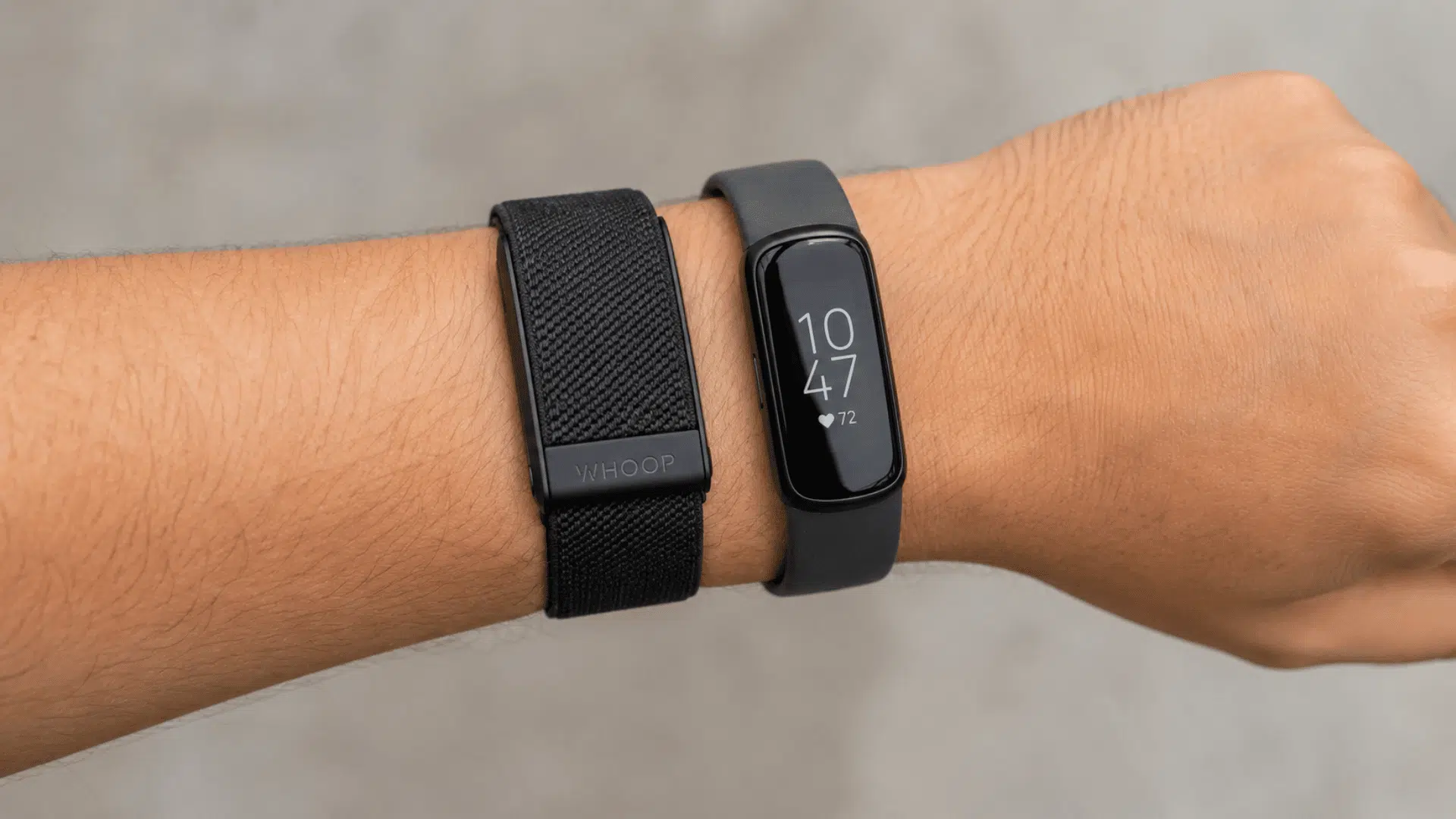



A dead battery at mile three is not a minor issue. It kills the whole run. Pace data gone. Heart rate log gone. Everything gone. Runners who rely on the best wearable tech know this pain well.
GPS, stride tracking, and heart rate monitoring only matter when the device actually lasts the full session.
Eighteen-plus hours of battery life is not a bonus feature. It is the baseline. That is exactly what separates good wearable technology from an expensive wrist decoration.
Keep reading to find the devices that can actually finish the run.
Why Wearables Work Better?
A phone sitting in your pocket misses a lot. It cannot pick up arm movement, track how well you slept, or notice rising stress levels throughout the day.
A wearable stays on your body around the clock, which means the data it collects is far more complete and accurate.
Every step, every heartbeat, every restless night gets recorded without you doing anything extra. That constant contact is what makes wearables genuinely useful for daily health tracking.
A phone gives you snapshots. A wearable gives you the full picture, and that difference becomes clear when you start making real changes to your health.
How Wearables Track Your Fitness
Wearable tech uses built-in sensors to turn your daily movement, heart rate, and sleep into clear, useful health data.
GPS Watches for Anywhere
One satellite system is never enough. Mountains, thick trees, and tall city buildings all break the signal.
Multi-band GPS pulls from several systems at once, staying locked on steep trails, forest paths, and city streets.
Trail watches also carry topographic maps and SOS alerts, making them a genuine safety tool for outdoor use, even when your phone has no signal at all.
Music Payments and Wrist Convenience
Leave the phone at home. Watches from Garmin, Apple, and Fitbit hold full playlists directly on the device and pair with Bluetooth headphones without needing a phone nearby.
After the workout, the same wrist taps to pay for coffee or the bus. A full, phone-free day that still gets everything done, that is exactly what the best wearable tech delivers.
Sleep Data That Helps
Bad sleep feels normal after a while, and that is the real problem. The body adjusts, but the numbers do not lie. Low deep sleep and poor Heart Rate Variability tell the full story every morning.
Devices like the Oura Ring 4 make that data visible daily. Most people adjust their bedtime within three weeks simply because they finally saw the proof themselves.
Best Devices for Your Style
Picking the best wearable tech for the actual lifestyle beats picking it for the spec sheet every single time.
1. Garmin Forerunner 965

Built for people who train hard and want real numbers. It is the one you pick when performance matters more than style.
| Category | Specs |
|---|---|
| Type | GPS running / triathlon smartwatch |
| GPS | Multi‑band (GPS, GLONASS, Galileo, BeiDou) for accurate tracking in cities, mountains, and forests |
| Battery (smartwatch) | Around 2–3 weeks in smartwatch mode |
| Battery (full‑GPS) | About 20–30 hours of continuous GPS use |
| Heart rate | 24‑hour optical heart rate, HRV, and VO2 max estimates |
| Sleep & recovery | Sleep stages (light/deep/REM), recovery scores, HRV |
| Extras | ECG‑style alerts, incident detection, training load, maps, music, and offline routes |
| For whom | Marathon runners, triathletes, ultrarunners, serious outdoor athletes |
2. Apple Watch Series 9
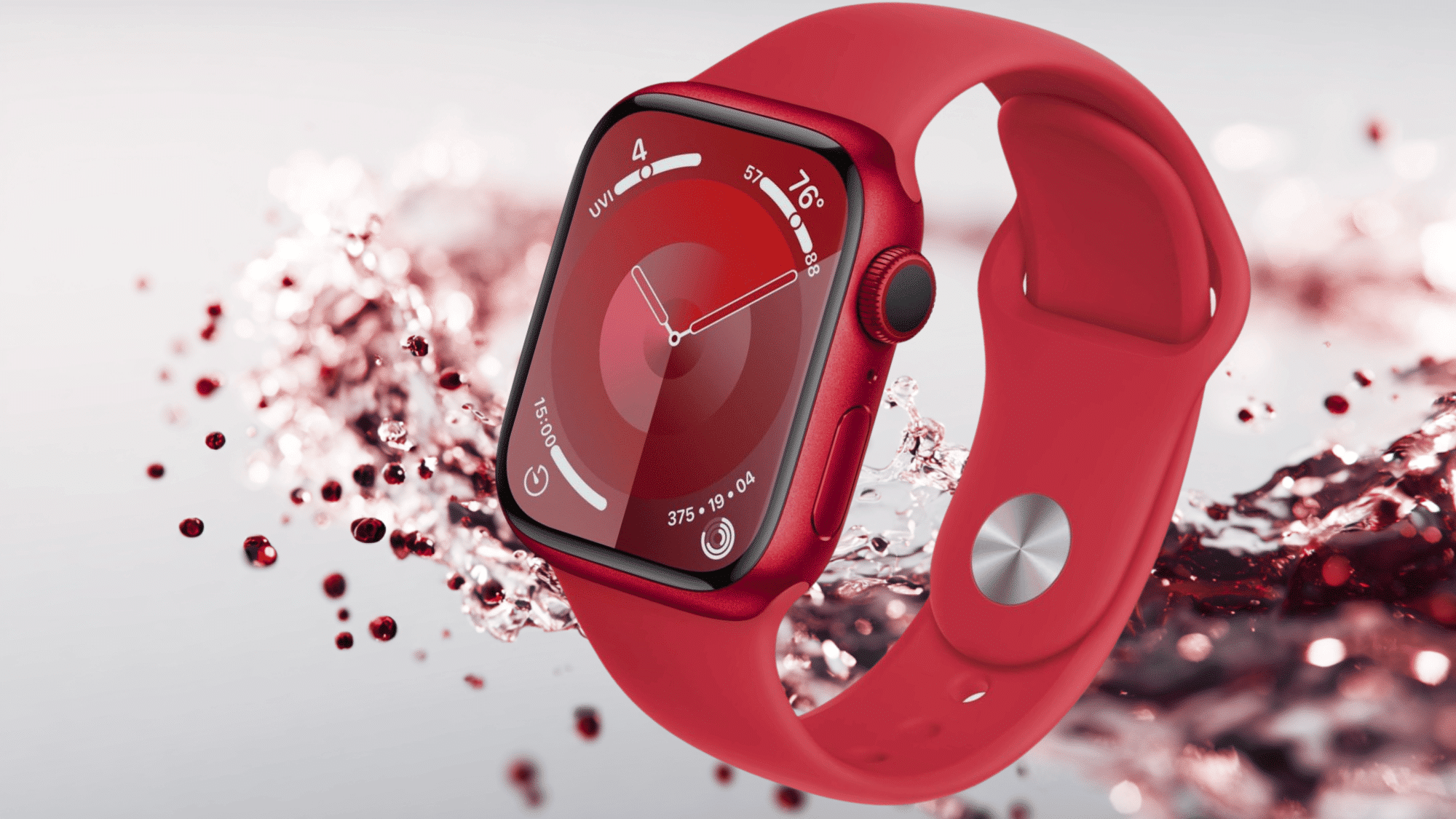

The easiest one to live with every day. It handles fitness, alerts, and routine stuff without feeling like extra work.
| Category | Specs |
|---|---|
| Type | Everyday smartwatch (iPhone only) |
| Display | Always‑on OLED / Retina‑style screen |
| Heart rate | 24‑hour optical heart rate, atrial fibrillation alerts, ECG on demand |
| Safety features | Fall detection, crash detection, emergency SOS |
| Extras | NFC payments, music, apps, calls, texts, Siri |
| Battery life | About 1–2 days of typical use (Apple‑style watch) |
| For whom | Office workers, casual runners, Apple‑user households |
3. Xiaomi Smart Band 9

The reasonably priced one that still does the job. Good enough for the basics without turning into a money sink.
Category | Specs |
|---|---|
| Type | Basic fitness band, entry‑level wearable tech |
| Screen | Small AMOLED‑style display (easy to read) |
| Tracking features | Steps, heart rate, sleep, SpO2, stress, notifications |
| Battery life | Around 14+ days on average use (no extra heavy features) |
| Price range | Usually under 30–50 USD (varies by region) |
| For whom | First‑time users, students, budget‑focused buyers |
4. Oura Ring 4

Best if sleep and recovery matter more than constant screen time. It stays out of the way and tells you what your body needs.
| Category | Specs |
|---|---|
| Type | Smart ring (no wrist screen) |
| Weight | Very light, about 3–5 grams on the finger |
| Battery life | Roughly 3–7 days per charge (varies by use) |
| Tracking features | 24‑hour heart rate, HRV, body temperature, sleep stages (light/deep/REM) |
| How it works | Passively tracks sleep and recovery without needing a wristwatch |
| For whom | Light‑sleepers, recovery‑focused users, people who hate wrist bands |
Choosing What Fits You
The best wearable is the one you forget you are wearing. Comfort, battery life, and simplicity matter far more than specs.
- Battery Life: A watch that dies by Tuesday is not doing its job. Look for a device that lasts through your full week without constant charging interruptions.
- Comfort and Fit: A strap that digs in after an hour will come off and stay off. The right wearable should feel natural on your wrist from day one.
- Ease of Use: If reaching your sleep score takes four taps, you will stop checking it. The best wearable tech keeps the most important data one or two taps away.
- Simplicity Over Extra Features: More sensors do not always mean better results. A device that does a few things really well beats one that does everything poorly and overwhelms you daily.
Note: These wearables are great for trends, not medical diagnoses, always consult a doctor for serious health concerns.
Conclusion
The right wearable does not shout for attention. It sits on your wrist, does its job quietly, and shows up with useful data every single morning.
A GPS that holds through a forest trail. A battery that survives the full week. A sleep score that actually changes how you rest. That is what good wearable tech looks like in real life.
Start simple. Pick one health goal, find a device that fits that goal, and wear it consistently. The data will do the rest.
Got a wearable you swear by? Drop it in the comments and tell us what made you stick with it.
Frequently Asked Questions
Which Brand Do Most Athletes Trust?
Garmin for serious athletes. Apple Watch for daily life. Whoop for pro sports teams tracking recovery. Each one was built for a different kind of user.
What is VO2 Max and Why Do Athletes Track It?
VO2 max measures how much oxygen the body can use when working flat out. A high score means the body keeps up. A low score means it is struggling. A rising number means real gains. A flat number, they’re not gaining.
Are Smart Rings Better than Smartwatches for Sleep?
For sleep only, yes. The Oura Ring 4 is lighter, more accurate overnight, and far easier to forget about than any watch.