


I picked up the Samsung Galaxy Fit3 after my old band finally gave out, mostly because I didn’t want to spend smartwatch money on something I’d just use for step counts and sleep data.
At around $60–$70 when new, though discounts can bring it lower depending on the retailer, it looked like the safest bet in the budget category.
After daily wear, charging it more often than expected, and comparing notes with other owners online, I have a clear picture of where it earns its price tag and where it falls short.
This collection of Samsung Galaxy Fit3 reviews covers the display, tracking accuracy, battery performance, and the small compatibility details that matter before you buy.
Quick Verdict: Samsung Galaxy Fit3 Worth Buying?
If you just want the short version before committing to the full read, here’s how it scores across the categories that matter most.
| Category | Rating |
|---|---|
| Design and Comfort | 4.6/5 |
| Display Quality | 4.5/5 |
| Tracking Accuracy | 4.3/5 |
| Battery Life | 3.9/5 |
| Software and Compatibility | 3.8/5 |
| Value for Money | 4.5/5 |
| Overall Rating | 4.3/5 |
Best for: Android users who want basic health tracking without spending on a smartwatch.
Skip it if: you own an iPhone, need GPS for outdoor runs, or want to take calls from your wrist.
Pros
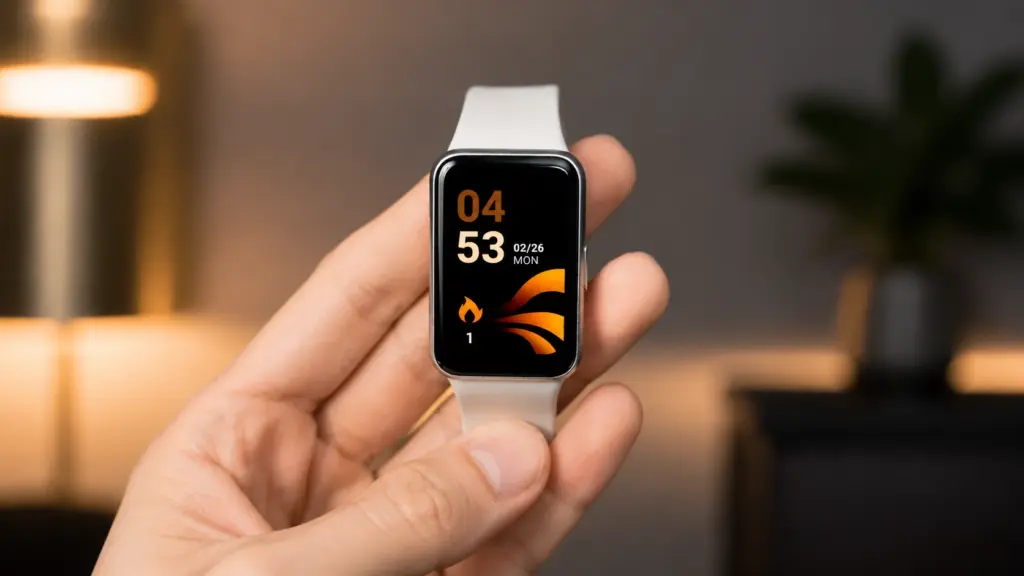
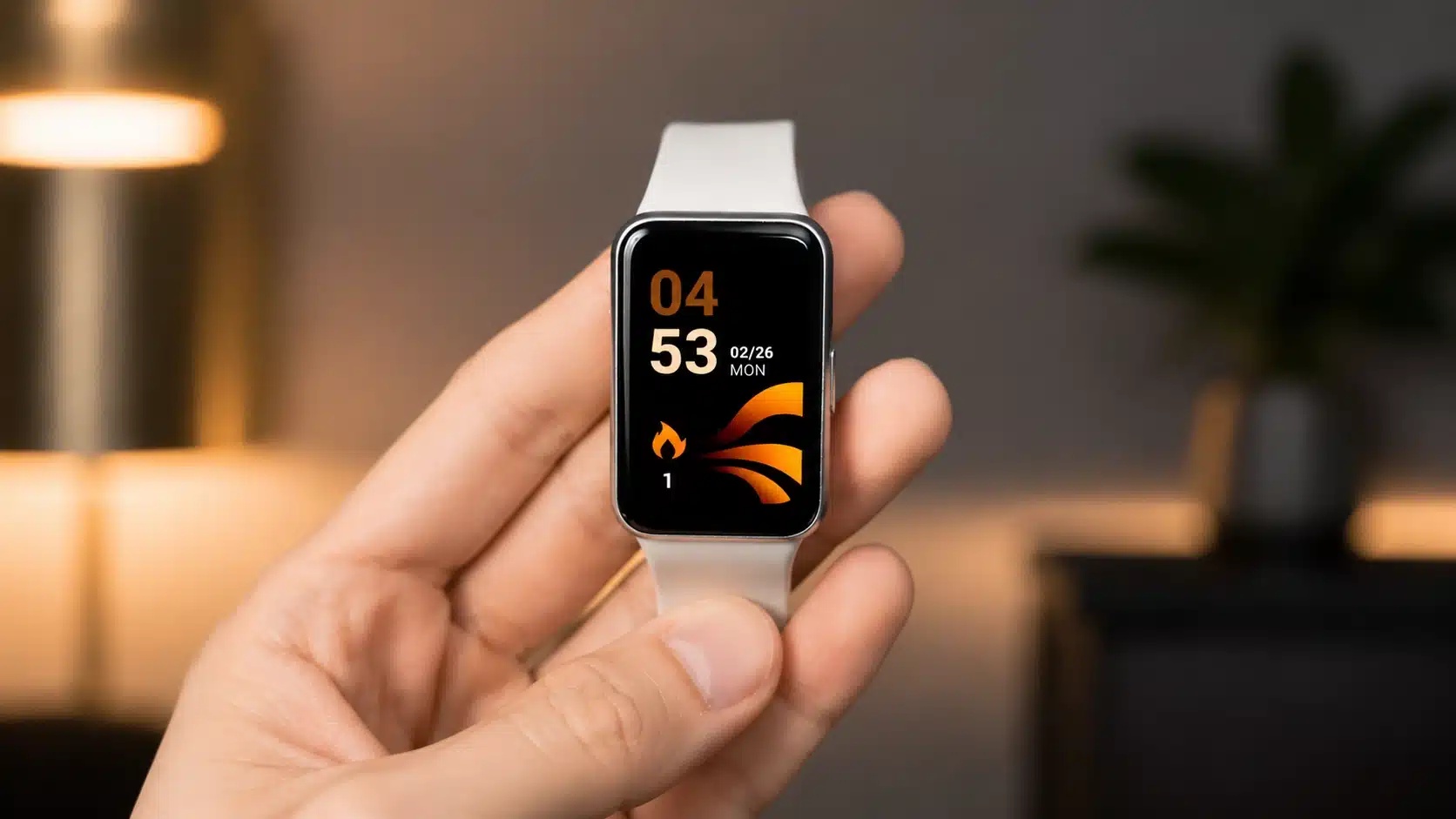
- Bright 1.6-inch AMOLED display that looks sharper than the price suggests
- Consistent step counting, within 3-5% of phone totals most days
- Comfortable enough for overnight sleep tracking without irritation
- Budget pricing that undercuts most comparable trackers
Cons
- Real battery life lands well under Samsung’s 13-day claim once always-on display is enabled.
- Android only, with zero workaround for iPhone owners
- No GPS, no speaker, no third-party app support
Galaxy Fit3 Specifications at a Glance
Before getting into daily-use impressions, here’s a quick look at the core numbers, which Samsung documents in full on its official Fit3 specs and features page.
| Specification | Details |
|---|---|
| Display | 1.6” AMOLED, 256 x 402 resolution |
| Weight | 18.5 g, aluminum body |
| Water/Dust Rating | 5ATM and IP68 |
| Battery (AOD off / on) | Up to 13 days / up to 3.5 days |
| Sensors | Heart rate, accelerometer, gyroscope, barometer, light |
| Workout Modes | 100+, with auto-detection |
| Compatible Platforms | Android only |
| Price Range | $60–$70 |
Everyday Performance: Comfort, Accuracy, and Battery
Specs only tell part of the story, so here’s how the Fit3 held up once I moved past launch-day impressions and into actual daily wear.
Design and Build Quality
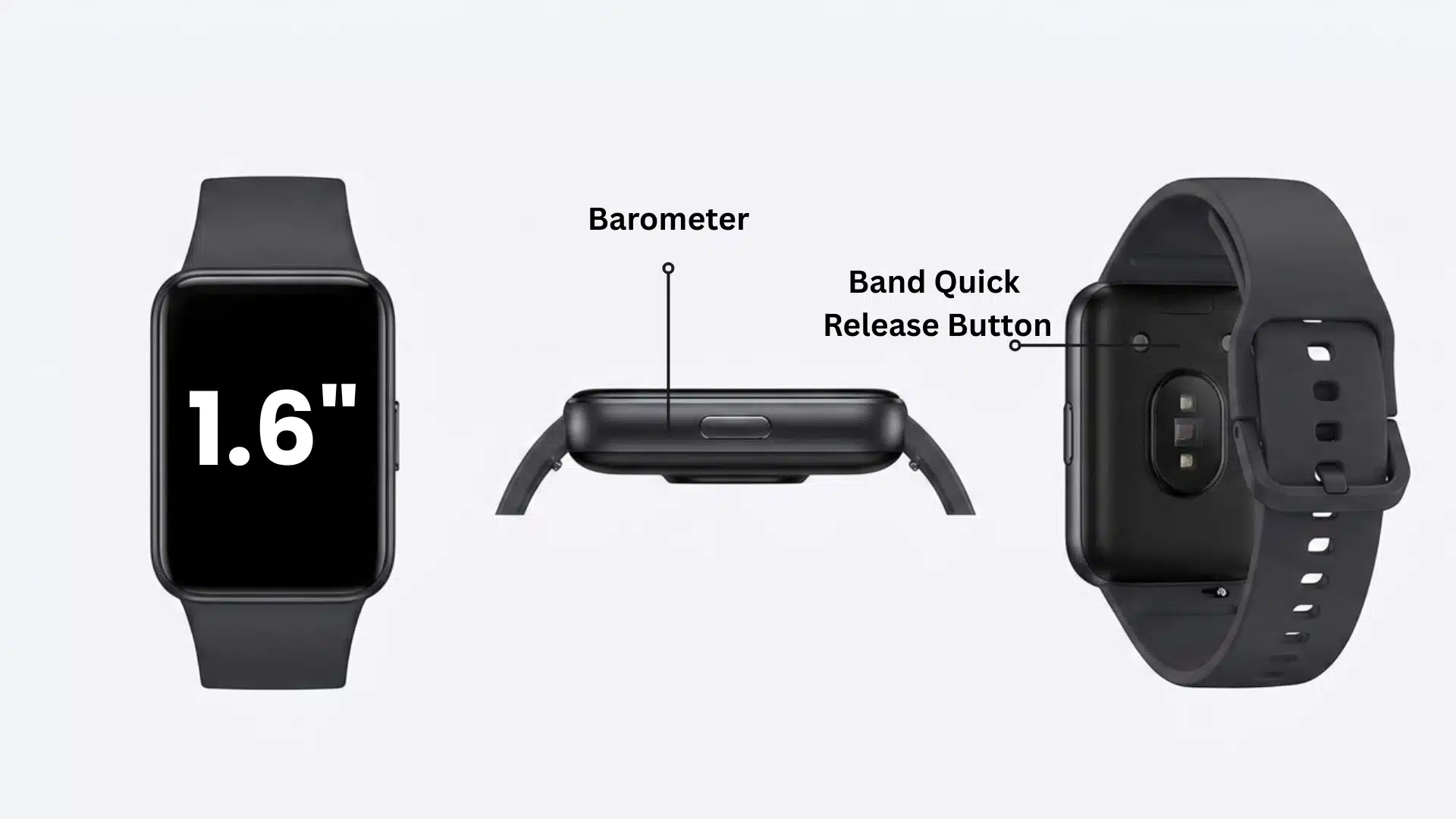
The first thing I noticed taking it out of the box was how light it felt on my wrist, and that impression held up over weeks of wear.
At 18.5 grams, the aluminum body barely registers once you forget it’s there, and the silicone band stayed comfortable through workouts and sleep alike.
Touch response is quick, lift-to-wake rarely lags, and Samsung sells several color options along with separate replacement bands if you want variety.
Durability and Water Resistance
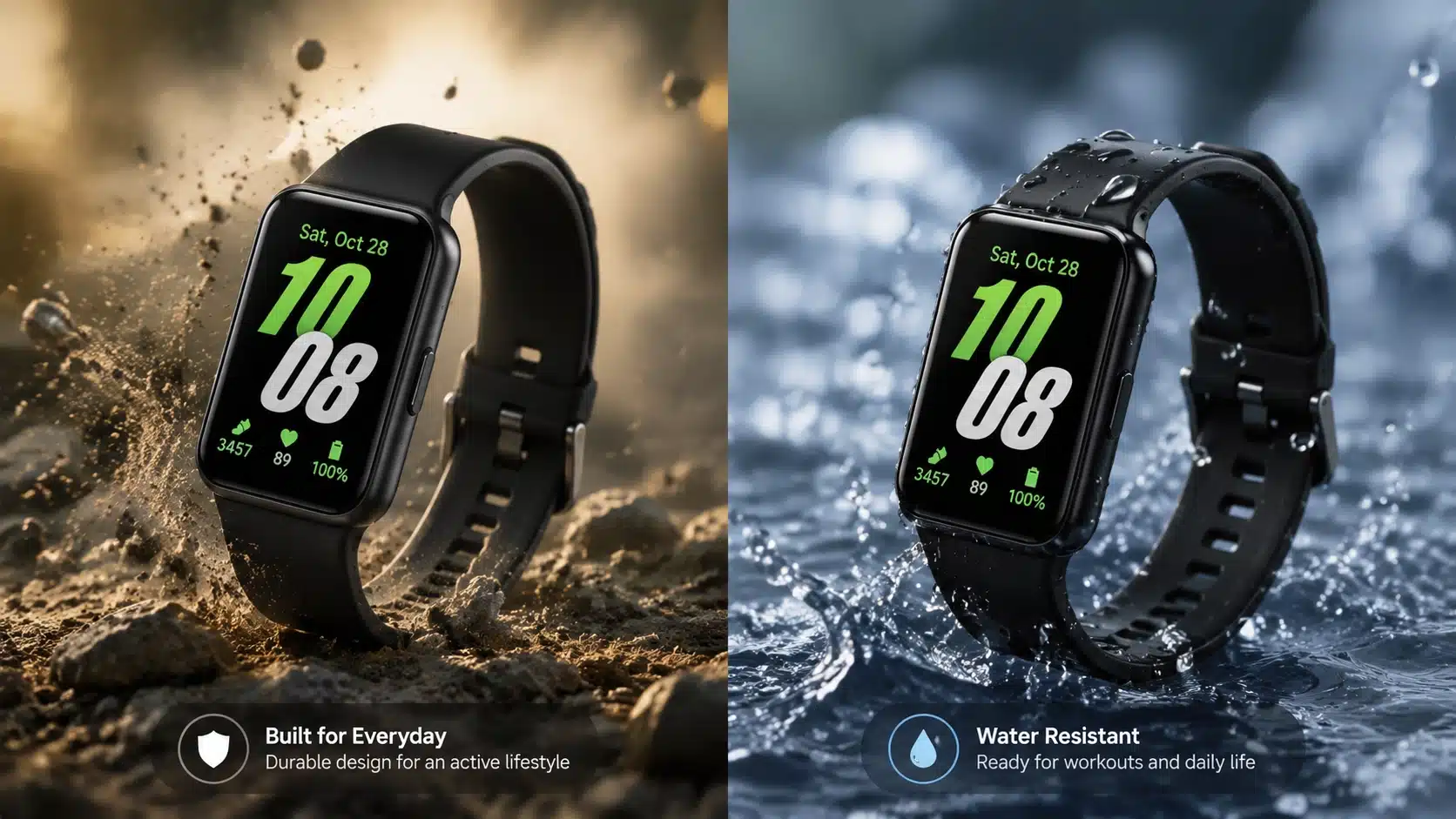
Samsung rates the Fit3 at 5ATM and IP68, which in practical terms means it handles showers, sweat, and swimming without issue.
I used it around water and during swimming sessions with no problems at all. It’s worth knowing the rating covers dust resistance and fresh water up to 1.5 meters for 30 minutes, but it isn’t built for high-pressure water activities, so scuba trips are out.
Owners in the r/GalaxyFit community also report minimal scratching even after months of daily wear.
Heart Rate and Step Accuracy
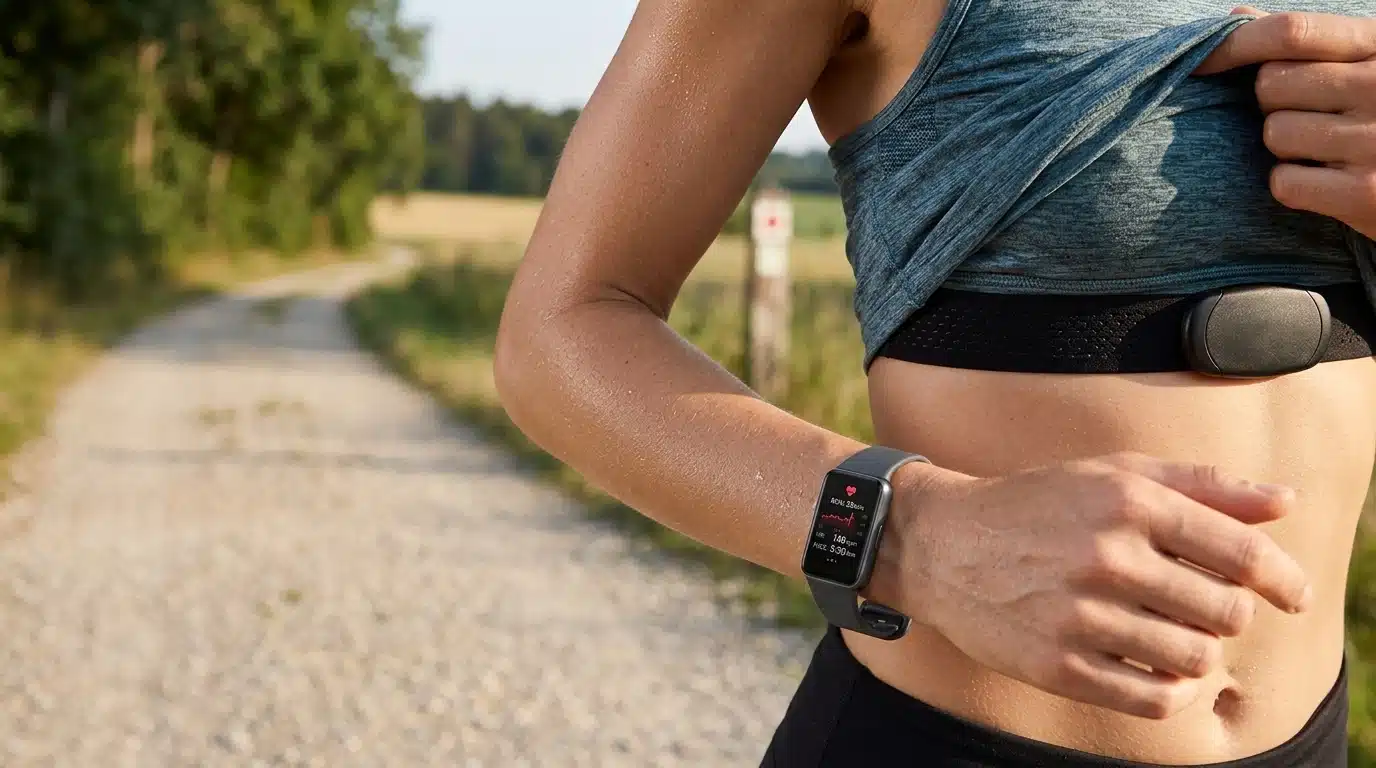
I compared readings against a chest strap monitor during several workouts, including running and cycling.
During steady-state cardio, the Fit3 stayed within a few beats per minute of the chest strap, though it consistently lagged 10 to 15 seconds behind during sprint intervals before catching up.
Step counting held up well too, with totals matching my phone’s count within about 3 to 5% most days, and the biggest gaps showing up on days with lots of stop-and-start movement rather than steady walking.
Sleep and Stress Tracking
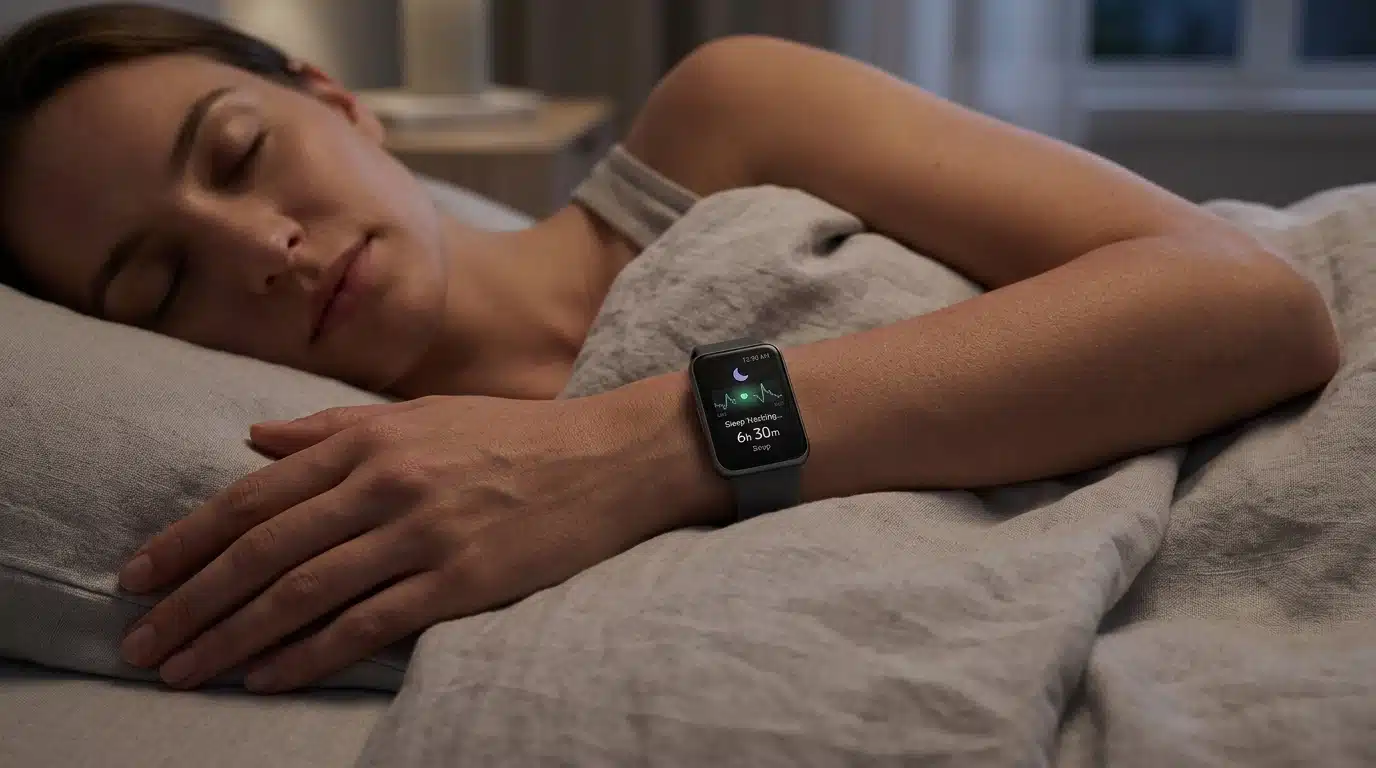
Sleep tracking broke my nights down into light, deep, and REM stages, and wake-up estimates matched within a few minutes of when I actually got up across roughly two weeks of wear.
Stress tracking felt more like a general wellness nudge than a clinical tool.
It flagged elevated stress during a genuinely demanding workday but missed quieter tension like pre-meeting nerves, which is a fair tradeoff given the price but worth knowing if you want precise stress data.
Battery Life: Claim vs Reality
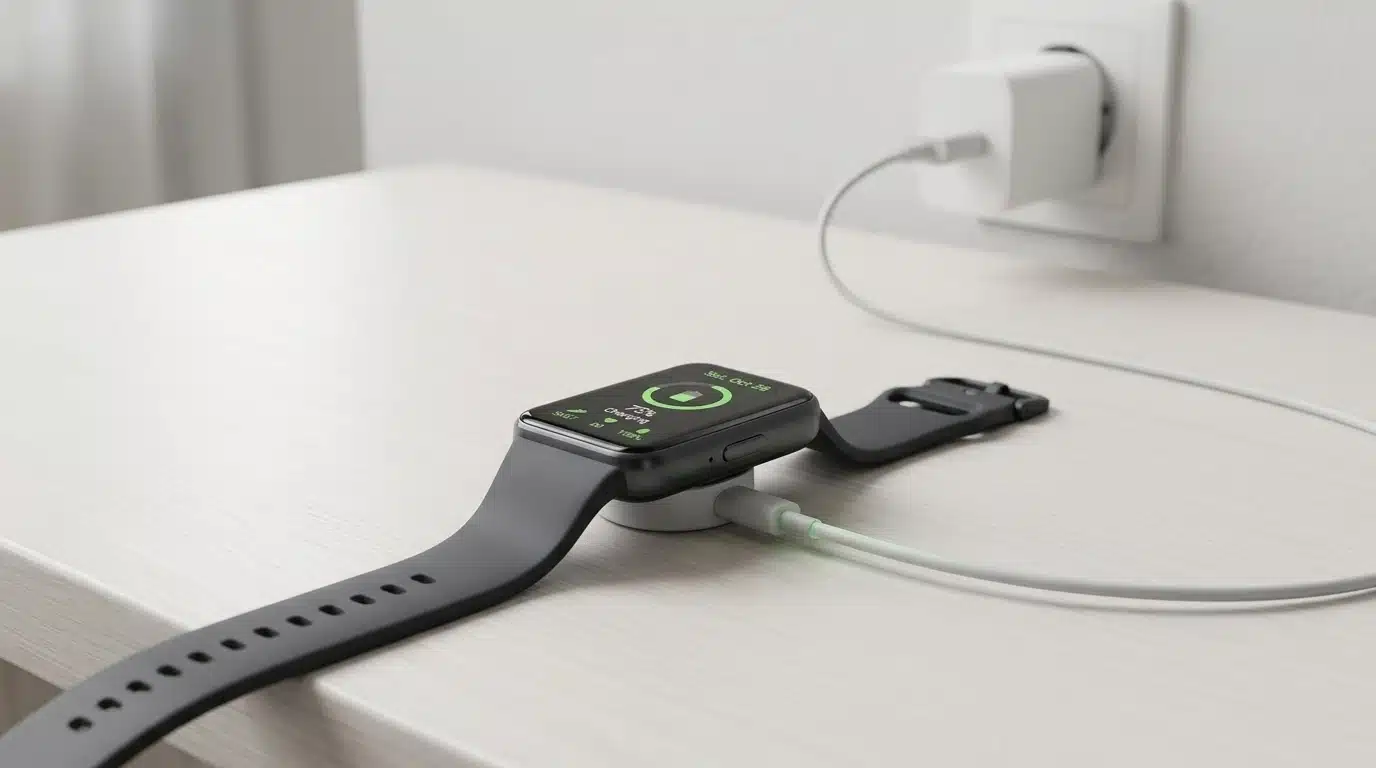
Samsung advertises up to 13 days of battery life, and this is where my experience diverged the most from the marketing copy.
With always-on display turned off and notifications kept minimal, I got close to 8 to 9 days per charge. Samsung’s own specifications confirm that figure drops to roughly 3.5 days with always-on display enabled, and some Reddit owners report as little as 2 days under heavy use.
A full charge usually takes around 1.5 hours, though a quick 30-minute top-up gets you back to about 65%.
Battery longevity is one of the biggest concerns across wearable devices, and why an Apple Watch battery dies so fast highlights how usage habits can dramatically affect real-world runtime.
Software, Compatibility, and What’s Missing
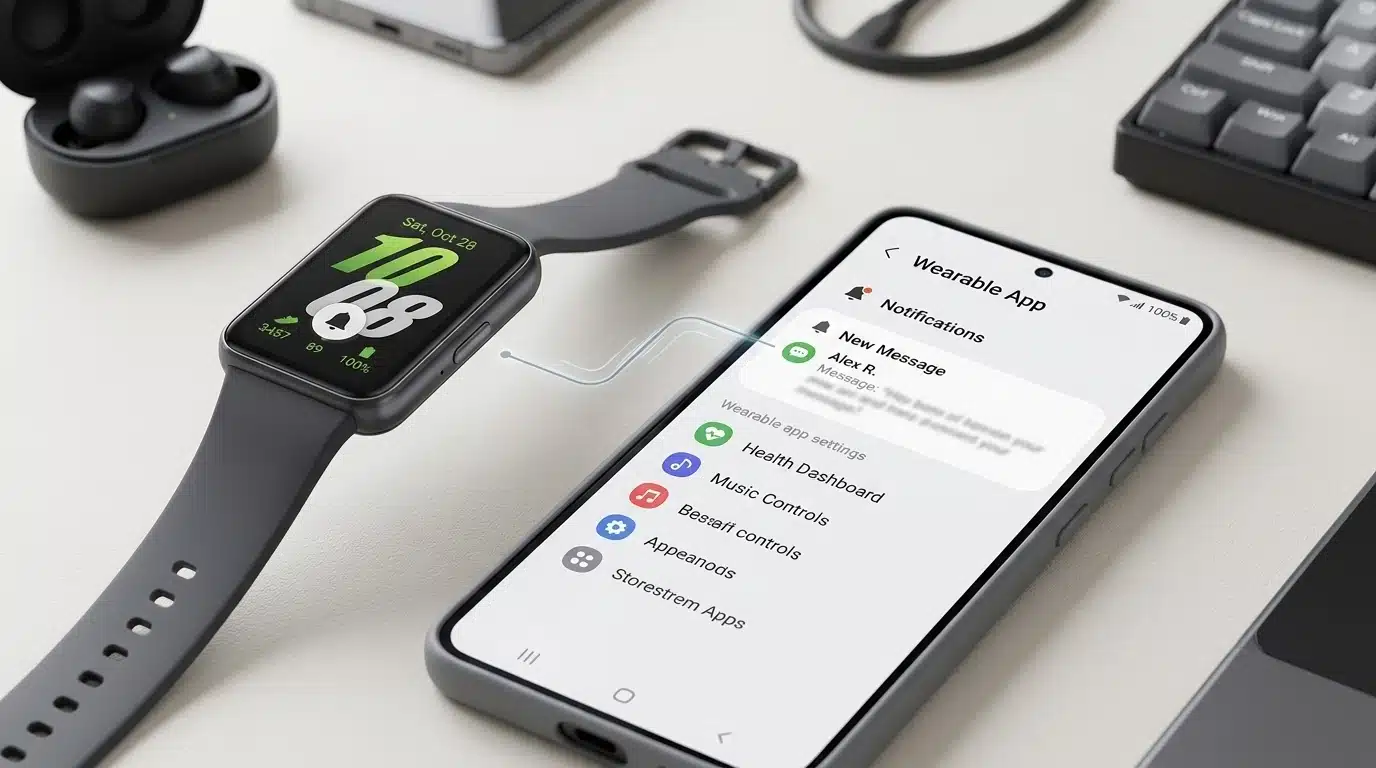
The Fit3 syncs smoothly with One UI, mirroring phone settings like Do Not Disturb and Sleep Mode without extra setup.
That said, it’s built for Android only, and there’s no workaround for iPhone owners, a limitation Android Central also flags as the tradeoff for the low price.
It also has no built-in speaker for calls, no GPS for outdoor route mapping, and no support for installing third-party apps, so anyone on iOS should look at bands like the Xiaomi Smart Band or Amazfit Active instead.
Buyers considering switching ecosystems can also see whether an Apple Watch works with Android, since compatibility limitations vary between wearable brands.
Galaxy Fit3 vs Galaxy Watch FE vs Galaxy Watch Ultra
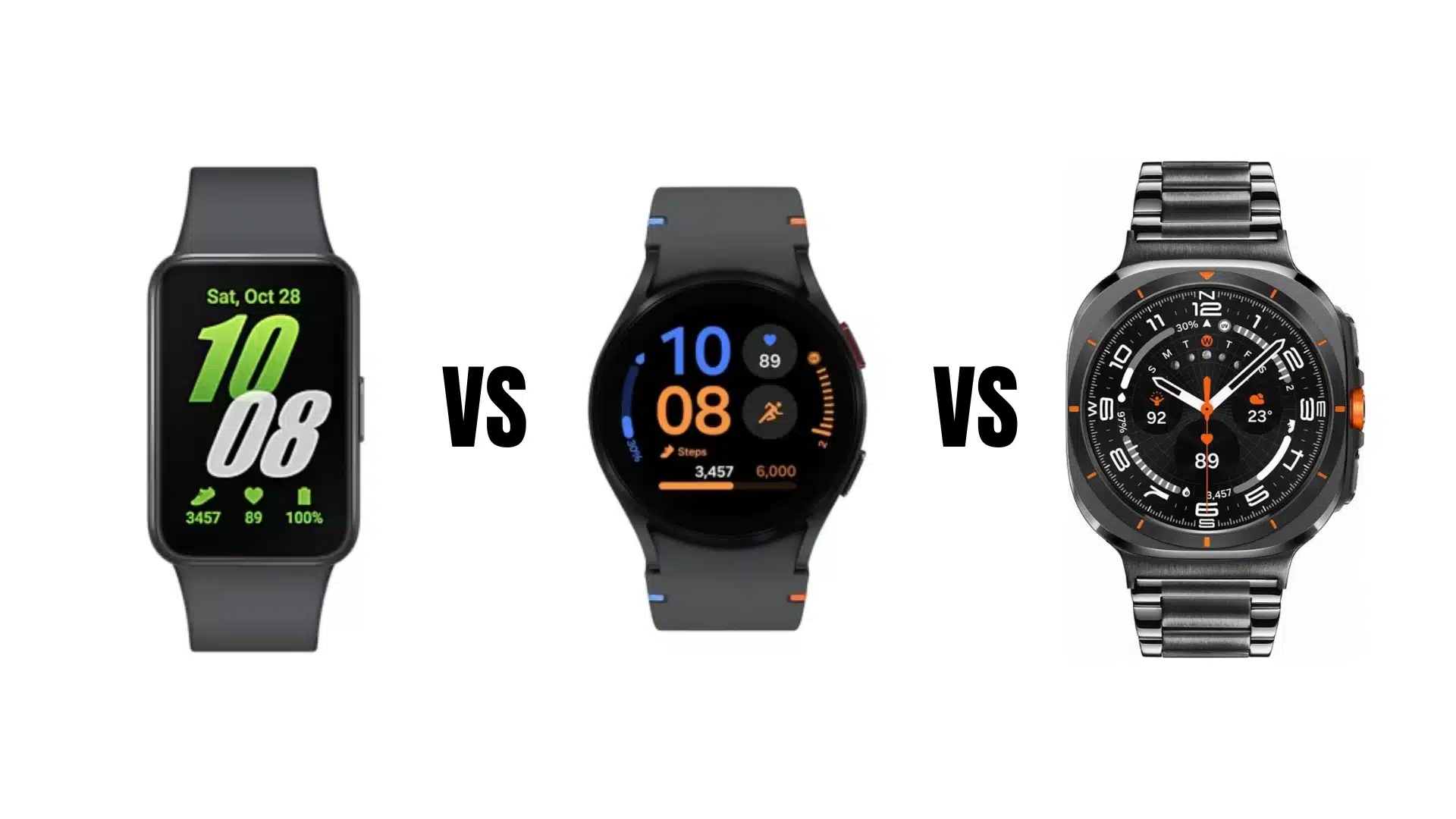
Samsung wearables target different needs, making the right choice depend on your priorities. The Galaxy Fit3 handles basic fitness tracking, while the Galaxy Watch FE and Watch Ultra add smartwatch features.
This comparison highlights the main differences in display, GPS, calls, battery, and overall value.
| Feature | Galaxy Fit3 | Galaxy Watch FE | Galaxy Watch Ultra |
|---|---|---|---|
| Price | $60–$70 | $199.99 (Bluetooth) / $249.99 (LTE) | $649.99+ |
| Display | 1.6” AMOLED | 1.2” Super AMOLED | 1.5” AMOLED, always-on |
| GPS | No | Yes, built-in | Yes, built-in |
| Calls | No | Yes | Yes |
| Battery life | 8-9 days (real-world) | Around 1-2 days | 1-2 days (heavy use) |
| Best for | Budget fitness tracking | Affordable smartwatch features | Serious athletes, full smartwatch feature |
The Galaxy Fit3 is the better pick for simple health tracking at a low price. The Galaxy Watch FE suits users who want smartwatch features without paying premium prices, while the Watch Ultra is made for advanced users who need more features.
Real Owner Feedback: What Reddit and the Community Are Saying
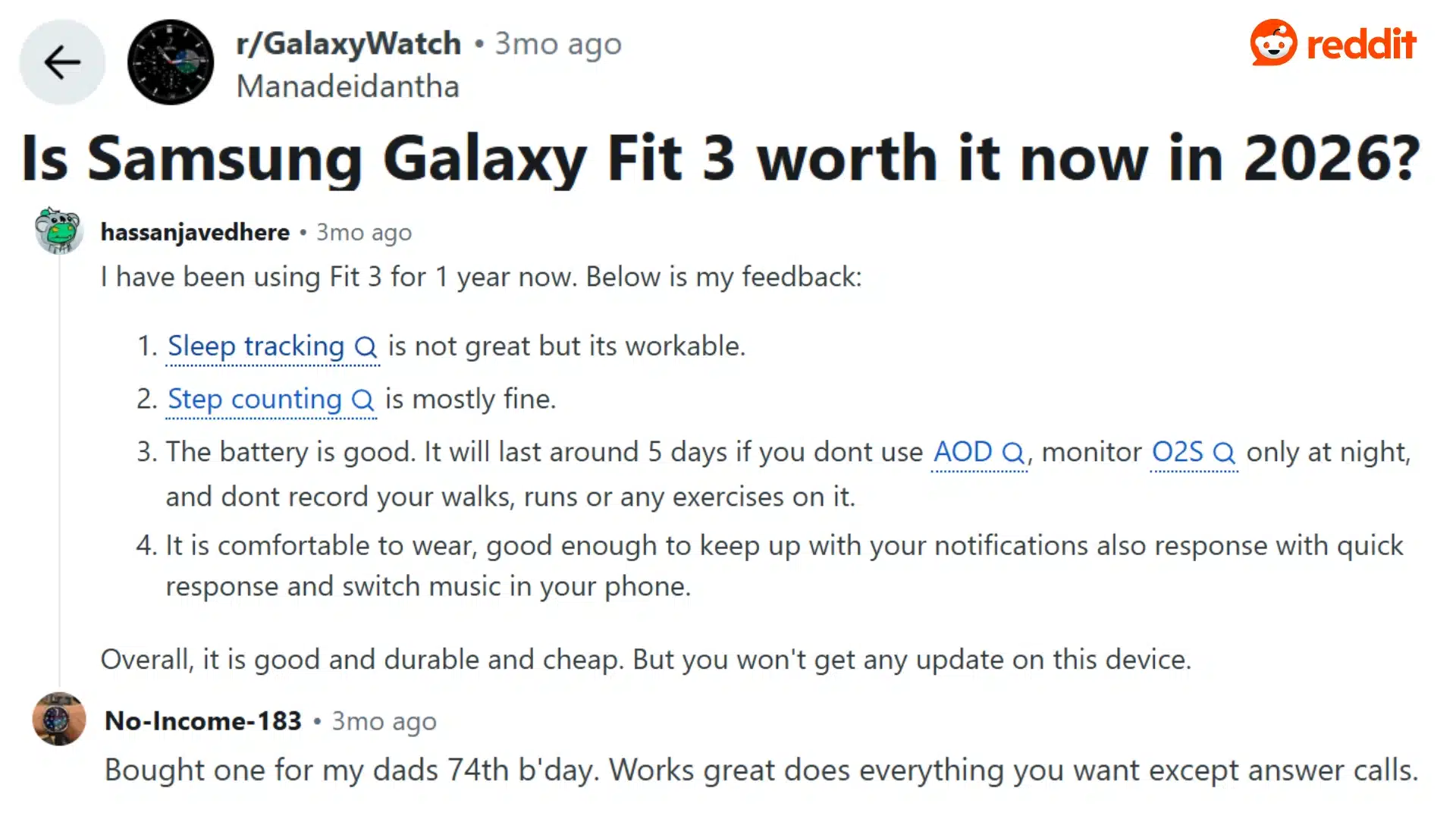
Beyond my own testing, I reviewed comments from Reddit users, and the feedback aligns well with what I experienced.
Many praise the Fit 3’s comfort, sleep tracking, and step counting, noting it feels premium for its price.
A few users mention that battery life doesn’t last the advertised 5 days and that the band feels a bit stiff initially but softens after a week.
Overall, the consensus highlights that the Fit 3 works well for casual tracking without expecting advanced smartwatch features.
How the Galaxy Fit3 Has Held Up Over Time
Since I’ve only had mine for a few weeks, I looked at longer-term owner reports to round out the picture.
Owners a year into daily use report the screen holding up well against scratches, and software updates have continued arriving on schedule.
A few mention band wear after extended sweat exposure during workouts, which is a fair trade-off given the price.
Reliability complaints overall are minor compared to the ongoing battery life conversation, and nothing in owner threads suggests the Fit3 degrades faster than other trackers in its price range.
Who Should Buy the Galaxy Fit3
Matching the band to your actual routine matters more than any single spec on its own.
- Casual Android users: Get clean step, sleep, and heart rate tracking without smartwatch pricing
- Budget-conscious buyers: The $60–$70 price range undercuts most trackers with a comparable screen
- Sleep-focused trackers: Detailed sleep stage breakdowns are one of the strongest features here
- iPhone owners: Better served by the Xiaomi Smart Band or Amazfit Active, since the Fit3 won’t pair with iOS
- Serious runners or cyclists: Better served by the Galaxy Watch Ultra, since the Fit3 depends entirely on your phone for GPS
Final Verdict
After weeks of daily wear, I think the Galaxy Fit3 earns its price tag if you go in with realistic expectations.
It’s not trying to be a smartwatch, and it doesn’t pretend to be one. The screen looks better than it has any right to at this price, tracking data stayed consistent, and the build held up well to daily wear and workouts.
My biggest compromise is having to manage settings carefully to get longer battery endurance.
If you’re an Android user who wants clean fitness and sleep data without smartwatch money, the Fit3 remains one of the better options in 2026.
Have you tried it? Share your experience below.
Frequently Asked Questions
Does the Galaxy Fit3 Support NFC or Samsung Pay?
No. The Fit3 skips NFC entirely, so tap-to-pay through Samsung Pay isn’t available on this device, unlike some pricier Galaxy Watch models.
Does the Galaxy Fit3 Track Menstrual Cycles?
Yes, menstrual cycle tracking is included as one of its health features, syncing through the Samsung Health app on a paired Android phone.
Does the Fit3 Support Google Assistant or Bixby Voice Commands?
No, The band has no microphone or speaker, so it can’t support any voice assistant, unlike some higher-priced trackers with basic voice controls.
Is the Samsung Galaxy Fit3 Discontinued in the US?
No, it remains available through Samsung’s own store and major retailers, though Samsung’s release pattern suggests a future Fit4 could eventually replace it.
Does the Fit3 Come with a Warranty?
Yes, Samsung includes a standard limited warranty on units bought through official channels, though coverage can vary for third-party or international-model listings.